Bailey bridges are widely used where transportation access must be restored or established quickly. Their modular steel components allow contractors, governments, military engineering units, infrastructure owners, and emergency-response organizations to create temporary, semi-permanent, or even long-service bridge structures with relatively short construction periods. However, the performance of a modular bridge depends not only on the primary truss panels, deck system, transoms, bracing, and connection details. Reinforcing components also play an essential role in controlling structural deformation, increasing load-bearing capacity, and improving service reliability.
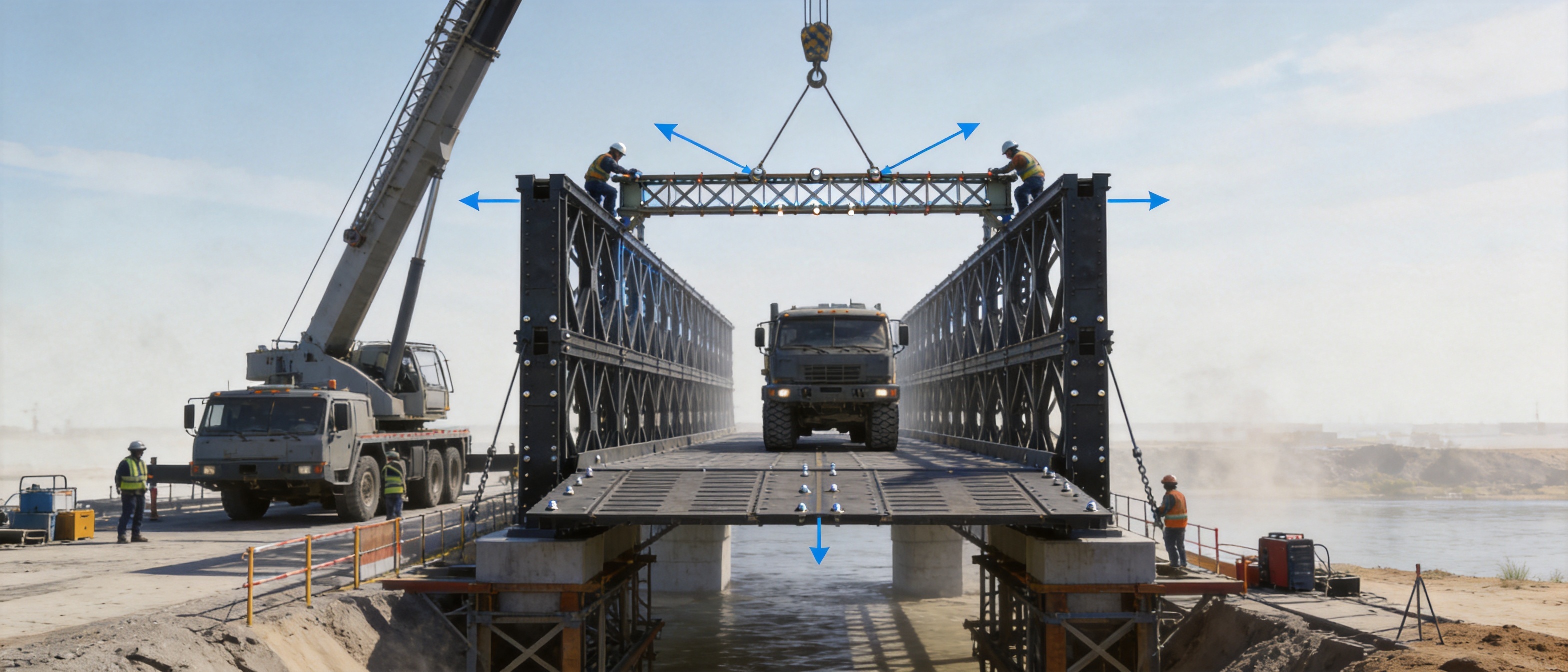
The upper reinforcing chord for Bailey bridges is a specialized component developed to strengthen the upper chord of a prefabricated steel truss system. In the middle region of a bridge span, the upper chord is exposed to significant compressive force and may also experience bending effects caused by traffic loads, structural self-weight, uneven loading, wind, erection conditions, and secondary stresses. By adding a properly designed reinforcing chord, engineers can improve the resistance of the upper chord to bending and local buckling while helping distribute structural forces more effectively.
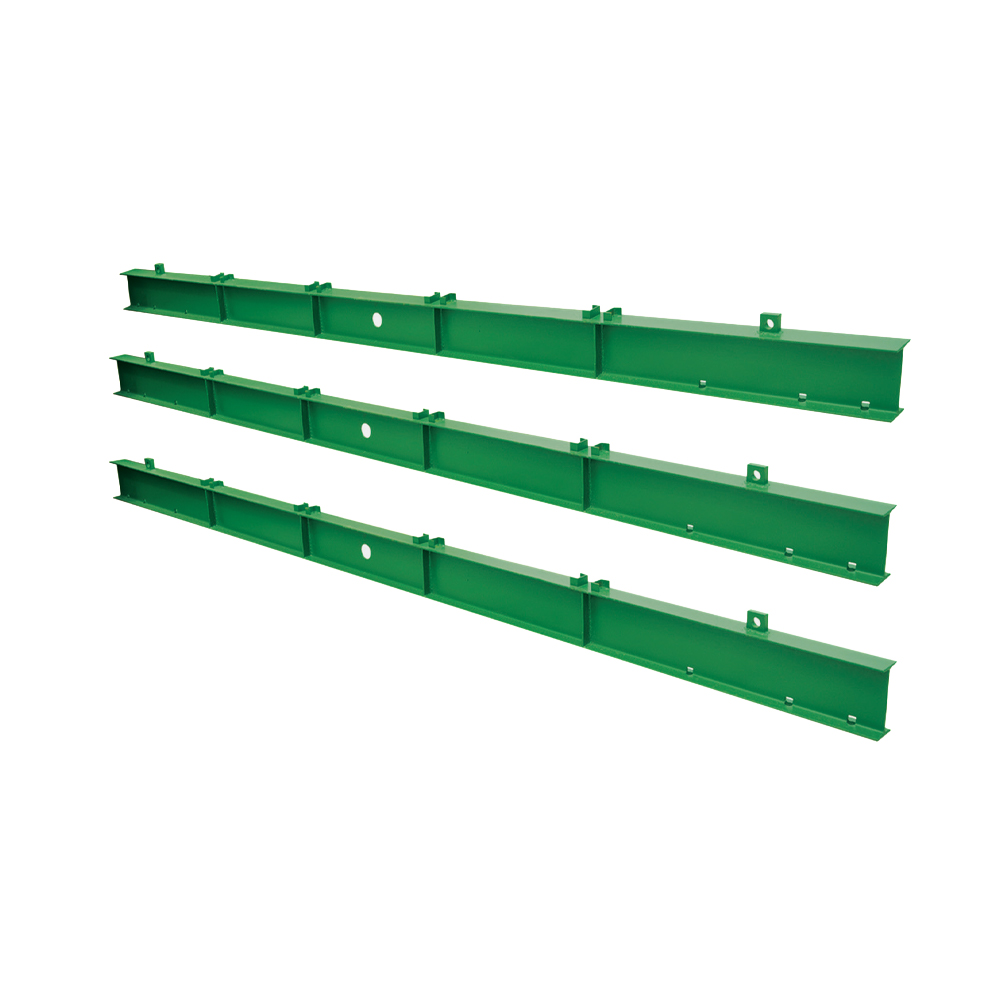
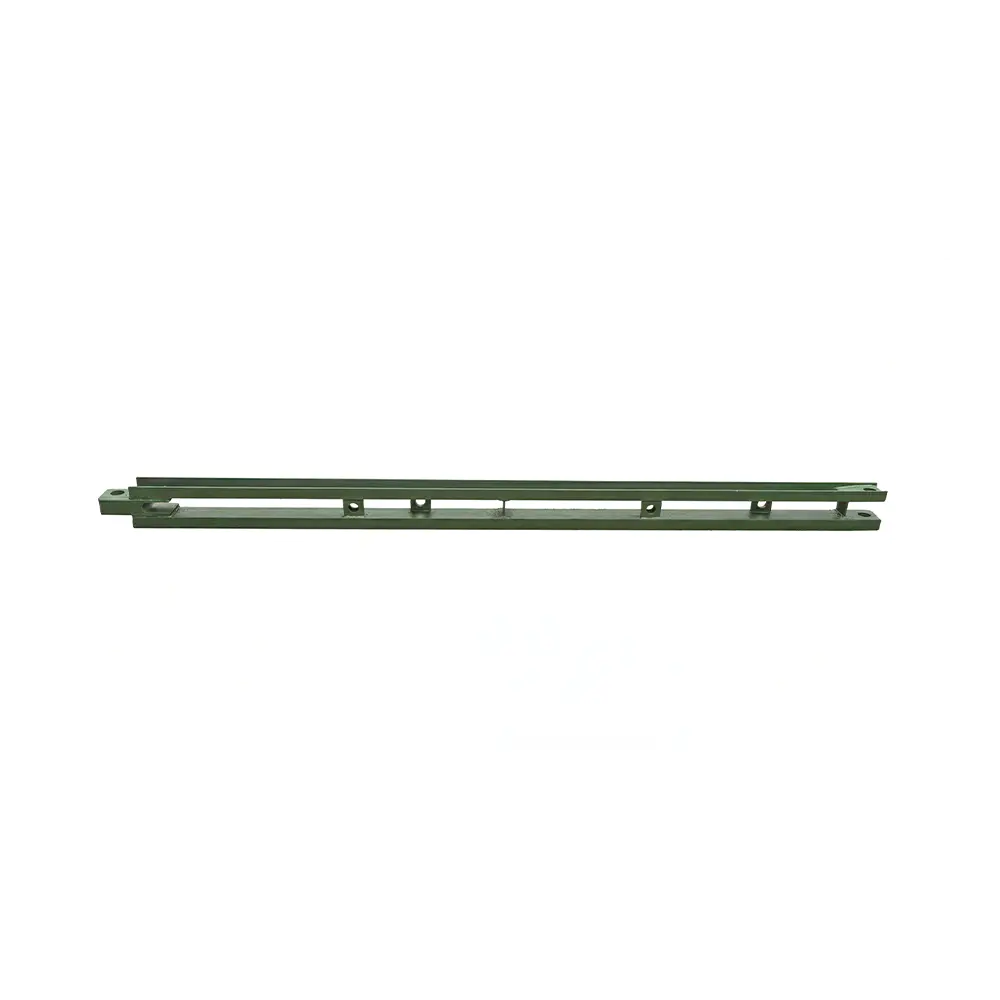
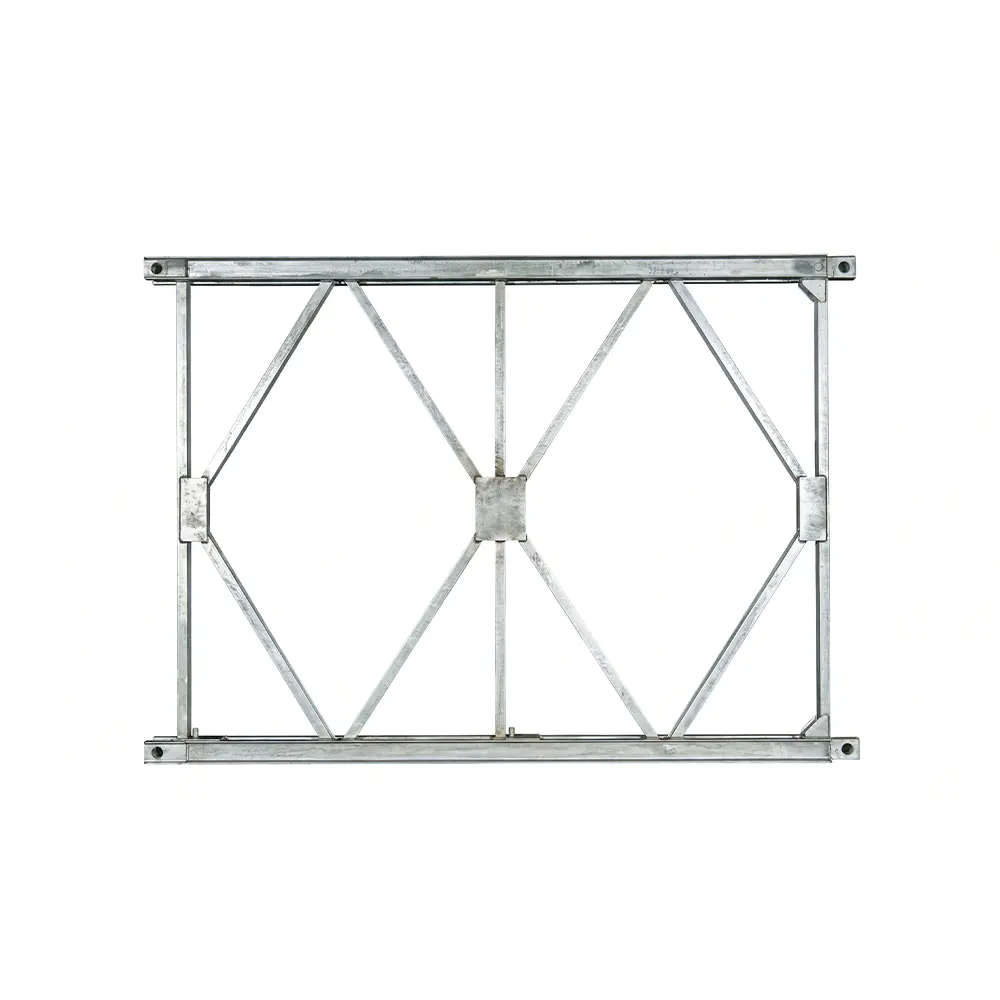
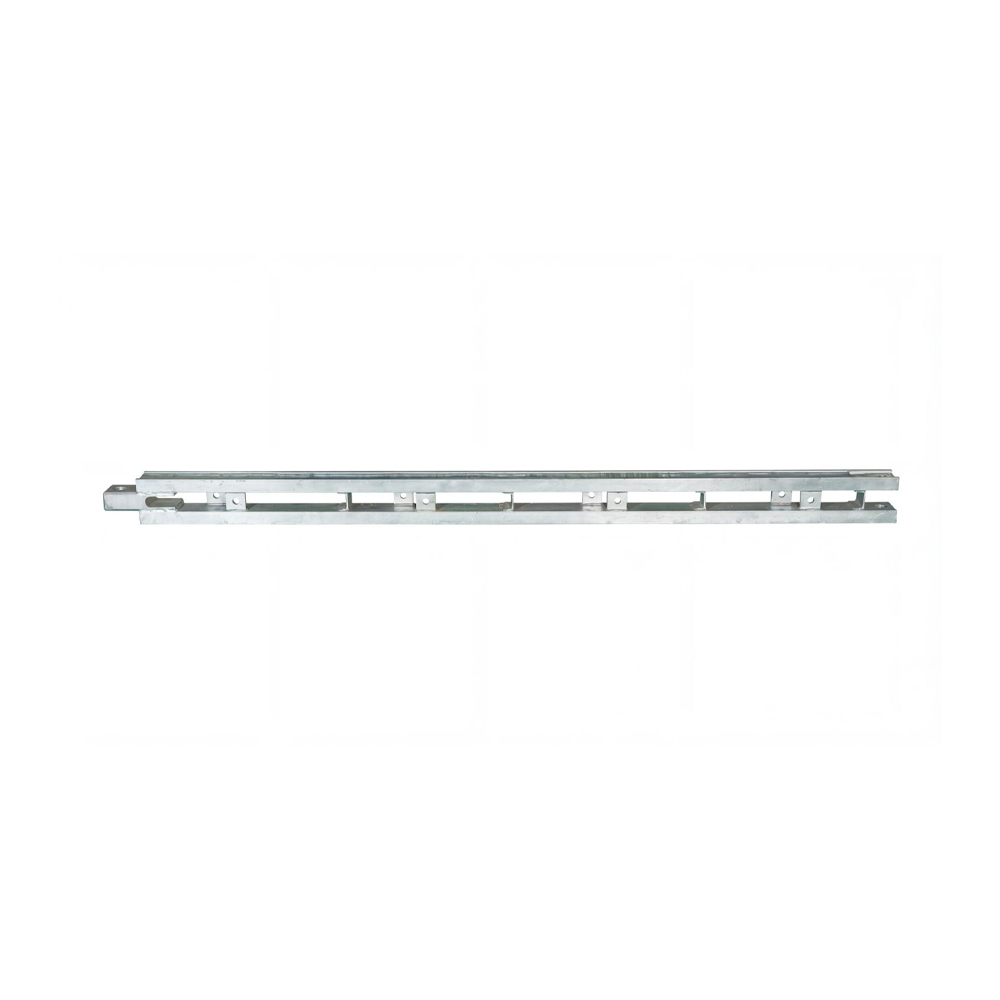
The YG upper reinforcing chord is designed for this important purpose. Its external dimensions are 3115 × 1500 × 176 mm, and it is manufactured from Q355B structural steel. The component is intended to work as part of a coordinated Bailey bridge reinforcement system rather than as an isolated steel member. When correctly selected, installed, and connected, it can provide a practical way to increase the structural efficiency of a modular steel bridge without replacing the entire bridge system.
This article explains the role of the upper reinforcing chord, its structural advantages, manufacturing considerations, application value, installation principles, inspection requirements, and the capabilities of the manufacturer. It also compares the benefits of a purpose-designed reinforcement component with improvised or poorly matched alternatives.
1. The Role of an Upper Reinforcing Chord in a Bailey Bridge
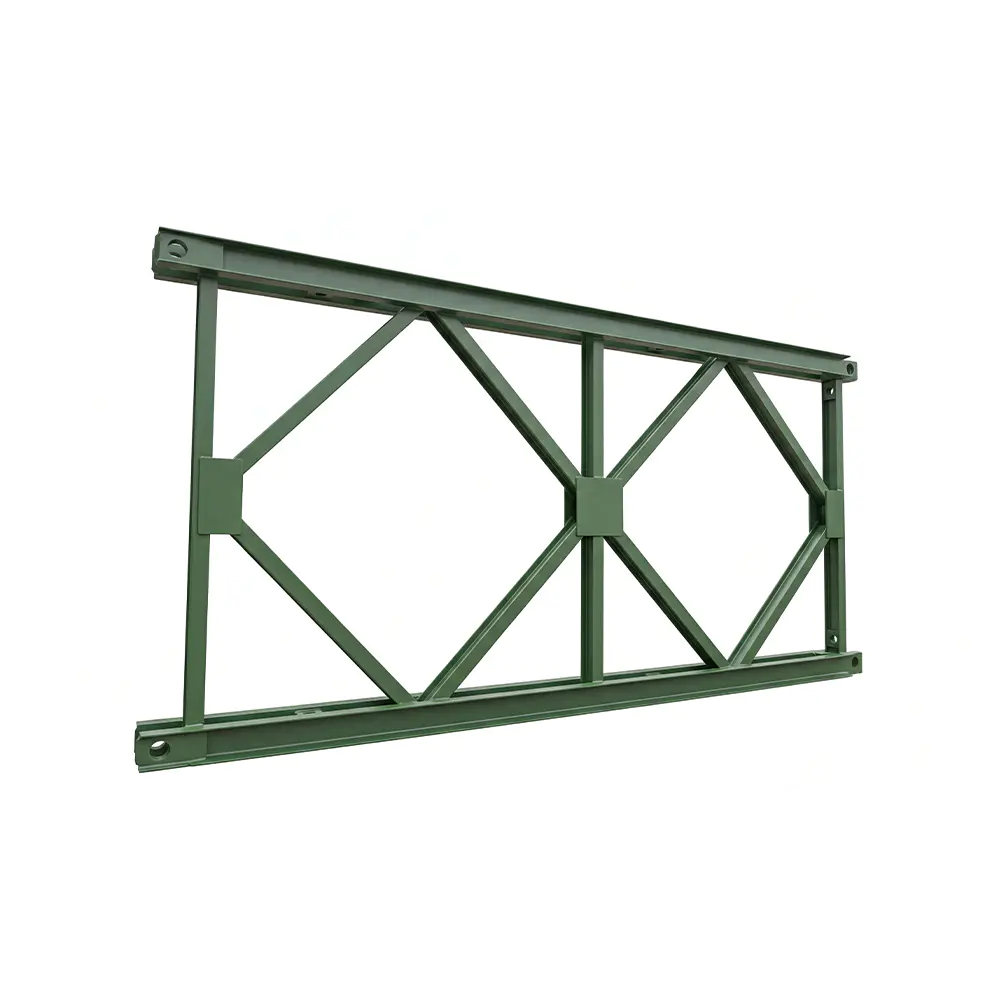
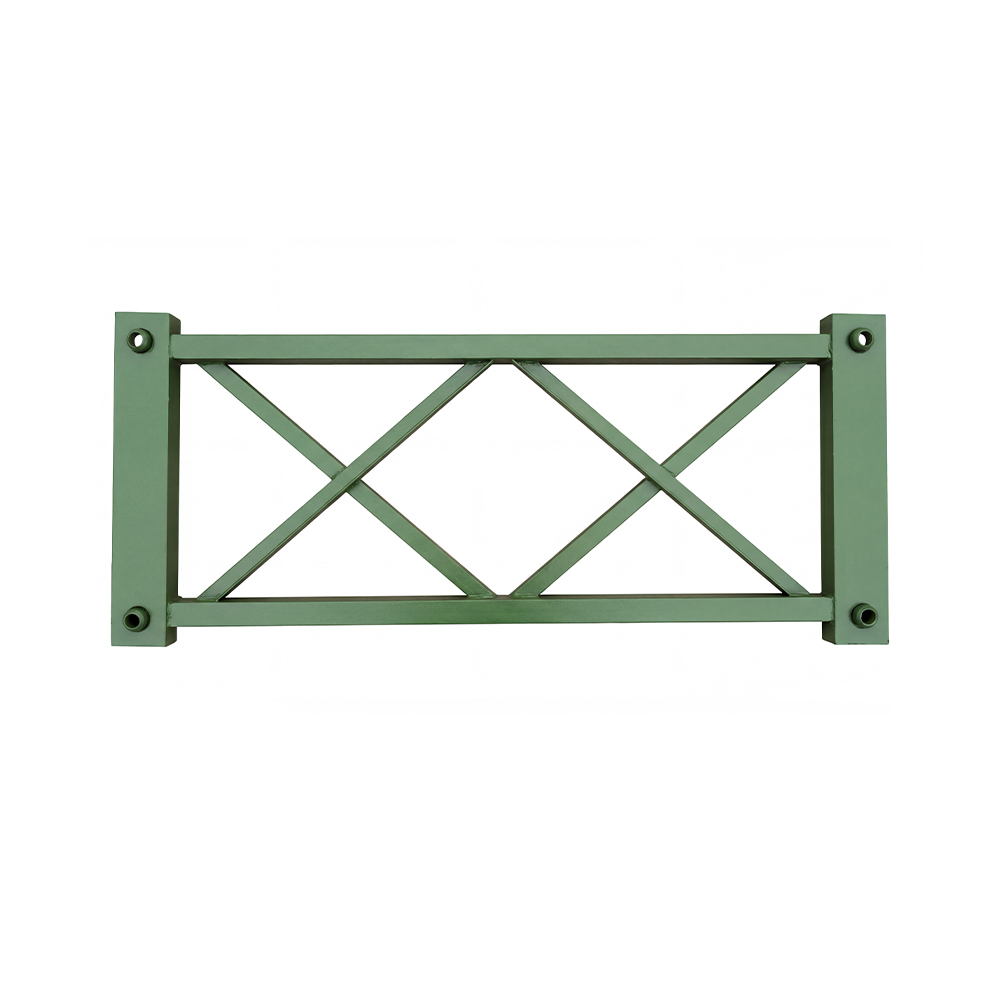
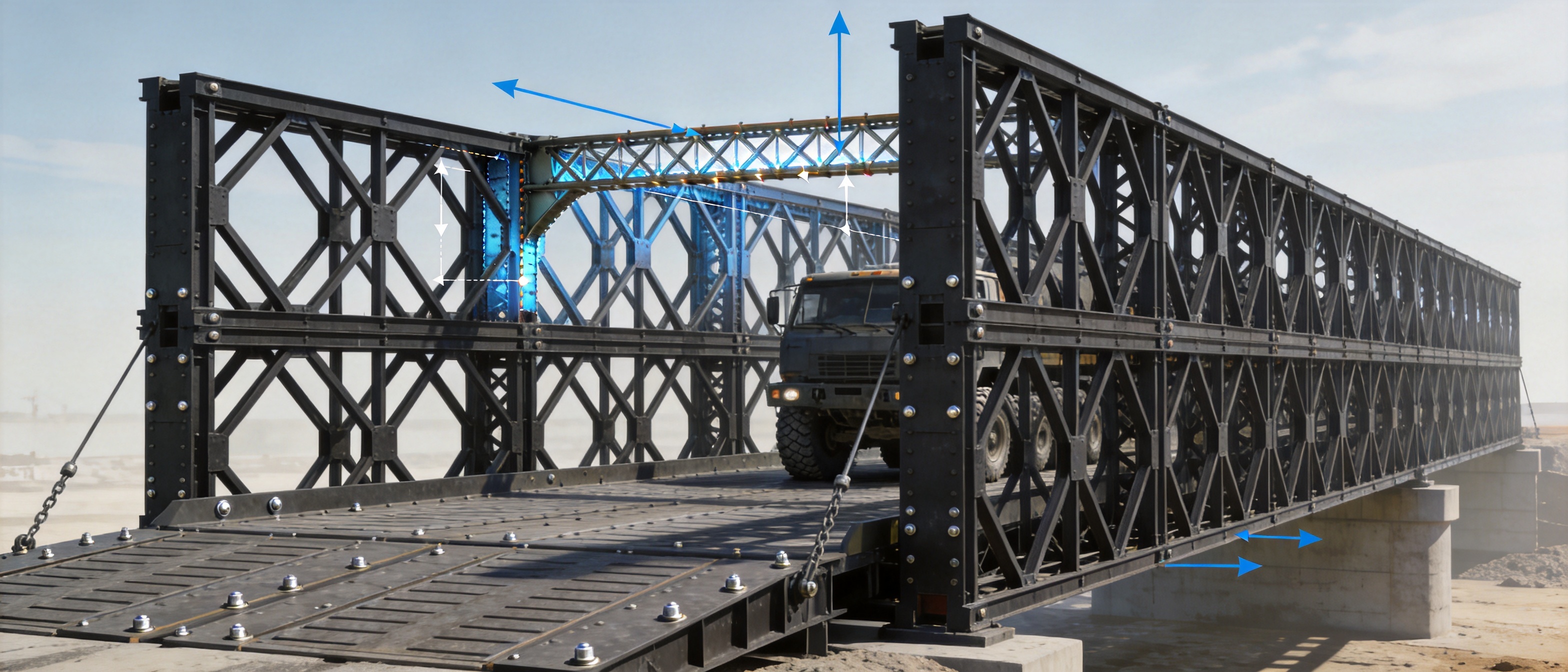
A Bailey bridge is generally composed of repeated steel truss panels connected longitudinally and transversely to form a bridge system. The truss transfers traffic loads through a combination of tension members, compression members, vertical components, bracing systems, transoms, stringers, and deck elements. The upper chord is one of the most important load-carrying parts of the truss because it commonly operates under compression in the central region of a simply supported span.
Compression members have a different failure behavior from tension members. A tension member is primarily evaluated according to its tensile strength, connection capacity, and net-section resistance. A compression member must also be checked for slenderness, initial imperfection, lateral restraint, local plate behavior, overall buckling, and interaction between axial compression and bending. For this reason, a truss may possess sufficient material strength in theory but still experience serviceability or stability problems if its compression chord is insufficiently restrained.
The upper reinforcing chord supports the original upper chord by increasing the effective stiffness and improving the distribution of compression and bending forces. It can help create a stronger load path through the upper region of the truss and reduce the likelihood that a localized weakness will control the performance of the entire span.
In practical terms, the component is designed to address several structural needs:
• Increasing the bending resistance of the upper chord.
• Improving resistance to local buckling and deformation.
• Helping distribute axial compression more evenly along the upper chord.
• Assisting the upper chord in resisting bending moments in the mid-span area.
• Improving the stability of the truss under repeated traffic loading.
• Supporting the use of modular bridge components in higher-demand applications when verified by engineering calculations.
These functions are particularly important when a Bailey bridge is required to carry heavy vehicles, construction equipment, military logistics traffic, or sustained traffic over a longer service period.
2. Structural Challenges in the Upper Chord
2.1 Compression and Buckling
The upper chord of a truss is frequently subjected to compression. A compression member may fail through material yielding, local plate buckling, flexural buckling, torsional buckling, or a combined mode. The risk depends on the member’s cross-sectional geometry, unsupported length, end restraint, connection conditions, and the magnitude of the applied force.
In a modular bridge, the upper chord is assembled from standardized components. The repeated connections provide important construction advantages, but they may also create locations where stiffness changes, tolerances accumulate, or load transfer becomes nonuniform. A reinforcement component helps address these issues by providing additional structural continuity and stiffness in the critical upper region.
2.2 Bending Effects
Although the upper chord is generally treated as a compression member in basic truss analysis, actual bridge behavior is more complex. Traffic loads are distributed through the deck, transoms, stringers, and truss connections. Local load introduction, panel point behavior, eccentricity, bridge deflection, wind action, erection conditions, and differential deformation may produce bending in the upper chord.
The combination of axial compression and bending is more demanding than either action alone. A member with adequate pure compression resistance may be vulnerable when a bending moment is added. The upper reinforcing chord is therefore valuable because it increases the stiffness and section effectiveness of the upper chord region, helping it handle combined loading more reliably.
2.3 Local Deformation
Local deformation can begin before a component reaches its full theoretical material capacity. Plate elements, connection zones, or unsupported portions of a chord may distort under concentrated forces. Such deformation can reduce the effective cross-sectional area, change the geometry of the load path, and introduce secondary stresses.
By strengthening the upper chord, the reinforcing chord can help control local deformation. This does not eliminate the need for correct design, connection inspection, or bracing. Instead, it improves the structural reserve and helps the system retain its intended geometry under service conditions.
3. Product Profile and Main Specifications
The YG upper reinforcing chord is a prefabricated steel bridge reinforcement component intended for use with Bailey bridge and related modular truss systems. Its stated external dimensions are 3115 × 1500 × 176 mm. These dimensions provide the basis for checking compatibility with the bridge panel arrangement, upper chord geometry, connection details, transport requirements, lifting plans, and storage procedures.
Item |
Specification |
Product |
YG upper reinforcing chord for Bailey bridge |
Primary application |
Reinforcement of the upper chord in prefabricated steel bridges and truss systems |
External dimensions |
3115 × 1500 × 176 mm |
Material |
Q355B structural steel |
Structural purpose |
Increasing bending capacity and reducing the risk of local buckling and deformation |
Typical system |
Modular Bailey bridge and prefabricated steel truss structures |
Q355B is a commonly used high-strength structural steel grade in China. The designation indicates a specified yield strength level generally associated with structural applications, subject to the applicable product standard, thickness range, testing requirements, and material certificate. The exact performance of the finished component also depends on plate quality, welding quality, dimensional accuracy, surface treatment, connection design, and inspection procedures.
For an engineering project, the dimensional information should be reviewed together with system drawings, connection drawings, design loads, bridge span, panel configuration, deck arrangement, and erection method. A component should never be selected only by its name or nominal dimensions. Compatibility must be confirmed before fabrication or installation.
4. Advantages of a Purpose-Designed Reinforcing Chord
4.1 Improved Upper-Chord Stability
The most important advantage of a purpose-designed upper reinforcing chord is its contribution to stability. The component is developed specifically for the geometry and structural behavior of a modular bridge upper chord. Compared with a generic steel beam, angle, channel, or plate assembled on site, a dedicated reinforcement chord can provide a more predictable fit and a more coordinated load path.
Improved stability is especially valuable in the center portion of a span, where bending moments are often significant. The reinforcing chord can help reduce the tendency of the upper chord to deform laterally or locally under combined compression and bending. The actual degree of improvement must be established through engineering calculations, but the structural objective is clear: increase stiffness where the original chord is most highly demanded.
4.2 Better Load Distribution
A modular bridge transfers load through a network of interconnected members. If one upper-chord region becomes significantly more flexible than adjacent regions, force distribution may become uneven. Uneven force distribution can produce local stress concentrations and accelerate deformation.
A reinforcing chord provides an additional structural path and can help distribute compression and bending effects over a larger and more effective region. This may reduce peak demand in individual components and improve the overall behavior of the truss. The benefit is not simply the addition of more steel; it is the addition of steel in a form intended to work with the existing bridge geometry.
4.3 Compatibility with Modular Construction
Bailey bridge projects depend on standardization, interchangeability, and rapid erection. A reinforcement component that follows the modular philosophy can be incorporated more efficiently than a site-fabricated modification. Standardized geometry assists with preparation, transportation, lifting, alignment, inspection, and future reuse.
The YG component can be considered as part of an engineered modular bridge package. When combined with compatible Bailey panels, transoms, bracing, deck systems, and connection hardware, it supports the main advantages of modular bridge construction: speed, repeatability, adaptability, and reduced dependence on extensive site fabrication.
4.4 Reduced Reliance on Improvised Reinforcement
In some projects, contractors may attempt to strengthen a bridge by welding miscellaneous plates, channels, or angles directly to existing members. Such modifications can introduce several risks. The added steel may not be positioned at the correct neutral axis or effective section, welds may not be designed for the transferred forces, heat input may affect the original member, and the modification may obstruct standard connection points.
A prefabricated reinforcing chord reduces the need for such improvised solutions. It can be manufactured under controlled workshop conditions, checked before shipment, and installed according to a planned procedure. This improves consistency and makes the reinforcement easier to document and inspect.
4.5 Potential for Reuse
One of the defining advantages of Bailey bridge equipment is reusability. A well-maintained reinforcing chord can potentially be removed after one project and used again in another compatible bridge configuration, subject to engineering review and inspection. Reuse can lower lifecycle cost and reduce material waste.
Before reuse, the component should be inspected for corrosion, permanent deformation, cracked welds, damaged connection areas, excessive wear, and unauthorized modifications. Any component that has experienced a significant overload or impact should be evaluated by a qualified engineer before returning to service.
5. Comparison with Alternative Reinforcement Approaches
5.1 Generic Steel Sections
Generic steel sections are widely available and may appear to offer a low-cost reinforcement solution. However, a generic section does not automatically match the geometry, connection pattern, clearance requirements, or load path of a Bailey bridge. Site personnel may need to cut, drill, weld, shim, or otherwise modify the section. These operations increase labor requirements and may introduce dimensional or quality-control problems.
A dedicated upper reinforcing chord offers better system integration. Its value lies in its intended application, manufactured dimensions, and relationship to the existing bridge components. Although the initial purchase price may be higher than that of raw steel, the total project cost can be lower when reduced site fabrication, faster installation, lower rework risk, and improved inspection efficiency are considered.
5.2 Site-Welded Strengthening Plates
Welded plates can increase the thickness or area of a structural member, but the success of the method depends on weld design, access, fit-up, preheating, welding procedure, distortion control, and inspection. Field welding is also affected by weather, power supply, worker qualification, surface condition, and site safety.
A factory-manufactured reinforcement component moves much of the critical fabrication work into a controlled production environment. This can improve repeatability and reduce exposure to unpredictable field conditions. Field welding may still be necessary in certain bridge systems, but a prefabricated component can minimize the amount of on-site modification.
5.3 Unreinforced Standard Panels
Standard Bailey panels are highly versatile and suitable for many applications. However, a standard arrangement may not be sufficient for every span, load category, traffic requirement, environmental condition, or service period. Adding a reinforcing chord can provide an intermediate solution between a basic arrangement and a completely different bridge system.
This approach is especially useful when the project requires additional capacity but must retain the existing modular bridge concept. Instead of abandoning standard components, the engineer can evaluate a strengthened configuration that uses familiar panels and erection equipment.
5.4 Fully Custom Bridge Structures
A fully custom steel bridge may be optimized for a specific site, but it generally requires more design time, specialized fabrication, longer procurement, and greater transportation complexity. A Bailey bridge reinforcement component offers a more flexible alternative where rapid deployment and modular reuse are important.
The best choice depends on span, loading, foundation conditions, required service life, environmental exposure, construction access, and budget. The upper reinforcing chord is not intended to replace complete structural design. It is a targeted component that can improve the capacity and stability of an appropriate modular bridge system.
6. Manufacturing Strengths and Production Capabilities
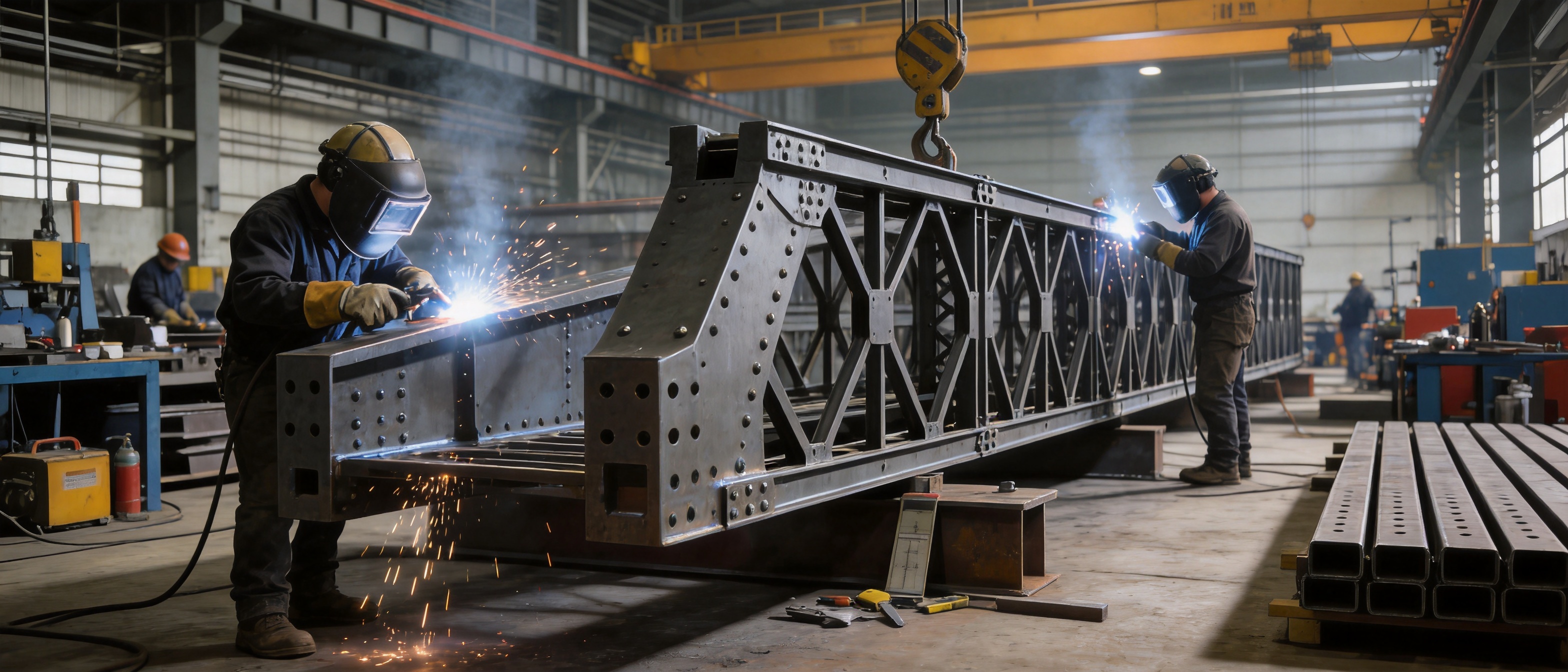
The quality of a steel reinforcement component is determined by more than the nominal material grade. Manufacturing control affects dimensional accuracy, fit-up, weld integrity, surface condition, handling safety, and long-term reliability. The manufacturer of the YG upper reinforcing chord operates within a broader bridge engineering and steel fabrication business that includes Bailey bridges, bridge launching gantry systems, hanging baskets, pier formwork, bridge steel formwork, and related engineered steel structures.
This product range is important because it demonstrates experience with multiple types of load-bearing and temporary works equipment. Manufacturing reinforcement components for modular bridges requires an understanding of how steel members interact during erection, how connection tolerances affect assembly, and how bridge components must be transported and handled on active construction sites.
6.1 Engineering-Based Fabrication
An effective production process begins with the review of drawings, technical specifications, material requirements, and application conditions. Before cutting or assembly, the manufacturer should confirm the component’s dimensions, connection details, weld requirements, lifting points, and compatibility with the intended bridge configuration.
Engineering review is also important when a customer requires a nonstandard length, coating system, connection arrangement, or adaptation for a particular bridge type. The ability to communicate between design personnel and production personnel reduces the risk of manufacturing a component that is technically strong but incompatible with the project.
6.2 Material Control
Q355B steel should be procured from controlled sources and identified through appropriate documentation. Material control commonly includes checking heat numbers, thickness, grade, appearance, and relevant mill certificates. The material should be stored to minimize contamination, excessive moisture, impact damage, and confusion between steel grades.
Good material management is particularly important for bridge components because the finished structure may be exposed to dynamic loading and changing environmental conditions. Traceability allows the manufacturer and project team to connect the finished component with the original material information and inspection records.
6.3 Precision Cutting and Forming
Accurate cutting and forming help ensure that the reinforcing chord matches the approved design. Dimensional errors can create gaps, forced alignment, eccentric connections, or unexpected secondary stress. Controlled fabrication methods help maintain the intended geometry and reduce the need for corrective work during erection.
Production personnel should check member length, width, depth, hole locations, connection interfaces, plate alignment, and overall squareness. These checks are especially important for modular products because a small dimensional error can affect the fit of several connected panels.
6.4 Welding Control
Welding is a key part of many prefabricated steel bridge components. The quality of welded joints depends on joint preparation, welding consumables, welder competence, welding sequence, heat input, environmental conditions, and post-weld inspection. A controlled shop environment provides better conditions for managing these variables than an exposed construction site.
Manufacturing procedures should define the required weld sizes, joint types, acceptable tolerances, cleaning methods, and inspection stages. Visual inspection is essential, and additional non-destructive testing may be specified according to the design and project requirements. The appropriate inspection method may include magnetic particle, ultrasonic, dye penetrant, or other examination techniques depending on the joint and applicable standard.
6.5 Assembly and Trial Fitting
Trial fitting is valuable for modular bridge products. Where practical, components can be assembled or checked against templates before shipment. This helps identify incorrect hole spacing, interference, misalignment, or connection problems before the material reaches the project site.
Trial assembly also supports faster field erection. A component that arrives correctly marked, dimensionally verified, and organized for installation reduces the time spent on measurement and troubleshooting at the bridge site.
6.6 Surface Preparation and Protection
Steel bridge components require appropriate surface preparation and corrosion protection according to their intended environment. Protection may include cleaning, abrasive preparation, primer, topcoat, galvanizing, or another specified system. The correct choice depends on exposure, expected service period, maintenance access, transportation conditions, and customer requirements.
Coating quality should be checked for coverage, adhesion where required, dry-film thickness, damaged areas, and compatibility between coating layers. Edges, welds, bolt holes, and handling points often require particular attention because they can be vulnerable to early coating failure.
6.7 Final Inspection and Documentation
Before shipment, the component should be checked against the approved drawings and purchase requirements. A final inspection may cover dimensions, weld appearance, connection areas, surface condition, markings, packaging, and quantity. Documentation can include material certificates, inspection records, dimensional reports, coating records, packing lists, and installation information when specified by the project.
These controls provide the customer with greater confidence that the product supplied is the product designed. They also make future maintenance, inspection, and reuse easier because the component’s identity and technical information are preserved.
7. Company Experience in Modular Bridge Engineering
Zhenjiang Jinhao Road & Bridge Supporting Engineering Co., Ltd. is located in an industrial area of Zhenjiang City, Jiangsu Province, China. Established in 2017, the company initially worked with construction materials, industrial materials, and metal-processing materials before developing into a broader enterprise serving the bridge engineering and steel formwork sectors.
Its activities include the design, manufacture, erection, and leasing of Bailey bridges, bridge launching gantry systems, hanging baskets, pier formwork, and other steel formwork products. This combination of manufacturing and engineering services provides practical knowledge of how bridge components are used in real construction environments.
The company’s product range includes Type 321 Bailey truss sections, HD200 or Type 200 Bailey truss sections, triangular and diamond hanging baskets, bridge steel formwork, and related engineered steel structures. These products are used in national defense readiness, transportation projects, municipal works, water conservancy, railway construction, emergency access, and other infrastructure applications.
Experience across these fields can strengthen the development and supply of upper reinforcing chords. A manufacturer that understands only isolated steel fabrication may not fully appreciate the connection between reinforcement geometry and bridge erection. By contrast, a company involved in bridge systems, launching equipment, and formwork is familiar with transport constraints, lifting operations, temporary works calculations, site sequencing, and the need for robust reusable components.
The company also provides customized fabrication, design and system planning, technical support, and quality management. These services are valuable for overseas contractors and engineering companies that may require assistance with bridge selection, reinforcement arrangements, shipping preparation, installation procedures, or project-specific adaptations.
8. Application Areas
8.1 Temporary Access Bridges
Temporary access bridges are often needed during highway construction, mining operations, utility works, flood response, and industrial development. The upper reinforcing chord can improve the stability of a modular bridge when the project requires a stronger upper truss arrangement than a basic configuration provides.
8.2 Emergency and Disaster-Response Bridges
After floods, earthquakes, landslides, storms, or other disasters, a bridge may need to be installed quickly to restore access for people, supplies, medical services, and emergency equipment. Modular steel bridges are suitable for this role because they can be transported in sections and erected with comparatively limited specialized equipment.
In emergency projects, reinforcement components must be available, clearly identified, and compatible with the selected bridge system. A purpose-designed upper reinforcing chord can support a planned emergency bridge package and reduce dependence on improvised strengthening at the response site.
8.3 Construction and Site Logistics
Construction sites may require temporary crossings for trucks, cranes, excavators, concrete vehicles, and material deliveries. Repeated heavy vehicle movements can produce demanding loading cycles. A strengthened upper chord arrangement may help the bridge maintain geometry and serviceability during the project period, subject to the applicable design verification.
8.4 Semi-Permanent Bridge Installations
Some modular bridges are installed for months or years while a permanent bridge is designed, funded, or constructed. Others are used as semi-permanent infrastructure in remote areas where a modular solution is more practical than a conventional bridge. In such applications, reinforcement, corrosion protection, inspection access, and maintenance planning become increasingly important.
8.5 Railway and Industrial Applications
Modular steel truss systems and associated reinforcement components may also support railway construction, industrial access, plant expansion, and specialized transport routes. The required loading and fatigue considerations must be assessed carefully because railway and industrial traffic can differ substantially from ordinary highway traffic.
9. Design and Selection Considerations
The upper reinforcing chord should be selected as part of a complete bridge design. Important factors include span length, number of truss lines, bridge width, design vehicle, lane arrangement, traffic frequency, impact effects, wind, seismic conditions, temperature, foundation movement, approach geometry, and erection sequence.
Engineers should also consider whether the bridge is simply supported, continuous, launched, lifted into position, or assembled in stages. During erection, the upper chord may experience different forces from those present after the bridge is in service. A launching nose, temporary support, cantilevered erection method, or uneven assembly condition may produce temporary stress states that need to be checked separately.
Connection details are equally important. The reinforcing chord must transfer forces effectively into the existing bridge system. Bolts, pins, plates, lugs, welds, and bearing surfaces should be designed for the expected axial, shear, bending, and prying actions. A strong reinforcing member cannot compensate for an inadequate connection.
Clearance should be reviewed before installation. The added component must not interfere with deck elements, bracing, vehicle envelope, inspection access, drainage, lighting, utilities, or future maintenance operations. The installation method should also identify lifting points and temporary supports to prevent accidental damage during handling.
10. Installation Principles
Installation should be carried out according to approved drawings, method statements, and the direction of a qualified site supervisor or engineer. Before assembly, components should be checked for shipping damage, deformation, missing hardware, coating damage, and correct identification.
The existing Bailey bridge structure should be inspected before reinforcement is added. Damaged, severely corroded, distorted, or cracked members should not simply be concealed by the new reinforcement. The original structure must have sufficient integrity to receive and transfer the additional forces.
Connection surfaces should be cleaned and aligned without excessive force. Holes should line up naturally with the specified hardware. Unauthorized flame cutting, enlarging of holes, forced bending, or field welding should be avoided unless specifically approved by the design authority.
Bolted or pinned connections should be installed using the correct hardware and tightening procedure. The installation team should confirm that fasteners are fully seated, locking devices are fitted where required, and connection gaps are within acceptable limits. After the bridge is loaded or subjected to initial service, connections should be rechecked according to the project inspection plan.
Temporary lifting devices and erection supports should be removed only when the permanent load path is complete and verified. The bridge should not be opened to traffic until alignment, bracing, deck condition, connections, approach transitions, and safety barriers have been inspected.
11. Inspection, Maintenance, and Service Life
Routine inspection helps preserve the benefits of an upper reinforcing chord. Inspections should look for corrosion, coating breakdown, bent plates, cracked welds, loose fasteners, elongated holes, impact damage, unusual deflection, and evidence of water accumulation. High-risk locations include connections, lower edges, drainage points, weld toes, and areas exposed to road spray.
After an abnormal event, such as vehicle impact, flooding, fire, overload, severe wind, earthquake, or foundation movement, the bridge should be closed or restricted until a qualified inspection has been completed. A component that appears visually intact may still have hidden damage or permanent deformation.
Maintenance should include cleaning, touch-up coating, replacement of damaged fasteners, tightening where permitted, drainage improvement, and correction of local corrosion. Any repair should follow an approved procedure. Welding or drilling on a reinforcement component in service can change its fatigue behavior and should not be undertaken without engineering review.
Service life depends on the structural design, traffic intensity, environmental exposure, inspection frequency, corrosion protection, foundation performance, and quality of maintenance. Q355B steel provides a suitable basis for structural fabrication, but steel grade alone does not determine the life of a bridge system.
12. Quality and Commercial Value
For contractors and infrastructure owners, the value of a reinforcing chord should be assessed through total project performance rather than purchase price alone. A component that fits correctly, arrives with reliable documentation, installs quickly, and performs predictably can reduce indirect costs associated with delays, rework, site welding, equipment rental, and traffic disruption.
The manufacturer’s ability to provide design coordination and technical support can also reduce procurement risk. Customers may need assistance with product selection, bridge configuration, loading assumptions, fabrication details, packing, shipping, and erection planning. A supplier that can support these stages provides more value than a supplier that only sells raw steel products.
For international projects, communication and production coordination are especially important. Drawings, technical specifications, inspection requirements, packing lists, and shipping dimensions must be clear. The manufacturer’s experience with overseas supply and customized fabrication can help bridge the gap between a standard product and a project-specific requirement.
13. Why the YG Upper Reinforcing Chord Is a Practical Choice
The YG upper reinforcing chord combines a targeted structural function with the advantages of modular bridge manufacturing. Its design focus is the upper chord, where compression, bending, and local stability effects can govern performance. Its stated dimensions provide a defined basis for compatibility review, while the use of Q355B structural steel provides a recognized material platform for engineered fabrication.
Compared with improvised field reinforcement, the component offers better potential for dimensional consistency, controlled welding, systematic inspection, and repeatable installation. Compared with a completely custom bridge modification, it can preserve the efficiency and interchangeability of a Bailey bridge system. Compared with an unreinforced standard arrangement, it can provide an additional structural option for projects requiring enhanced upper-chord performance.
The product is especially suitable when project stakeholders value rapid deployment, reusable components, practical transportation, controlled fabrication, and technical support. Its final effectiveness depends on correct engineering design and installation, but its purpose is clearly aligned with the structural demands of modular bridge construction.
14. Frequently Asked Questions
Q1: What is the main function of an upper reinforcing chord?
The main function is to strengthen the upper chord of a Bailey bridge or prefabricated steel truss. It helps increase bending resistance, improve stiffness, distribute axial compression and bending effects, and reduce the risk of local deformation and buckling.
Q2: What are the stated dimensions of the YG upper reinforcing chord?
The stated external dimensions are 3115 × 1500 × 176 mm. These dimensions should be checked against the bridge system, connection arrangement, and approved project drawings before ordering or installation.
Q3: What material is used for the product?
The product is specified as Q355B structural steel. The applicable material standard, thickness range, certificates, and inspection requirements should be confirmed for each project.
Q4: Can the reinforcing chord be used with every Bailey bridge?
Not automatically. Compatibility depends on the bridge type, panel geometry, connection details, span arrangement, loading, clearance, and design calculations. A qualified engineer or technical team should confirm suitability before use.
Q5: Is the component intended only for permanent bridges?
No. It can be considered for temporary, emergency, construction, semi-permanent, and other modular bridge applications when the complete structure is properly designed and inspected.
Q6: Why is a dedicated reinforcement component better than a generic steel section?
A dedicated component is designed for a specific structural role and can provide better dimensional compatibility, a more predictable load path, controlled fabrication, reduced site modification, and simpler inspection. A generic section may still be used in some designs, but it requires detailed engineering verification and often more field work.
Q7: Does the reinforcing chord eliminate the need for structural calculations?
No. It is a structural component, not a substitute for bridge design. Engineers must check the complete bridge system, including members, connections, deck, foundations, stability, erection conditions, and service loads.
Q8: Can the component be reused?
Potentially, yes. Reuse depends on inspection results, corrosion condition, deformation, connection integrity, previous loading history, and compatibility with the new bridge configuration. A qualified engineer should approve reuse after inspection.
Q9: What manufacturing controls are important?
Important controls include material verification, dimensional inspection, cutting and forming accuracy, welding procedure control, weld inspection, surface preparation, coating inspection, marking, packing, and final documentation.
Q10: What information should a customer provide when requesting a quotation?
Useful information includes bridge type, span, width, design load, number of truss lines, panel configuration, intended use, project location, environmental exposure, quantity, required coating, delivery schedule, and any available drawings or technical specifications.
Q11: Can the manufacturer provide more than the reinforcement component?
The company’s product and service capabilities include Bailey bridges, bridge launching gantry systems, hanging baskets, pier formwork, bridge steel formwork, customized fabrication, system planning, technical support, and related engineered steel structures.
Q12: What should be inspected after installation?
Inspection should cover alignment, connections, fasteners or pins, bracing, coating damage, clearances, deck condition, approach transitions, unusual deformation, and compliance with the approved installation drawings and method statement.
15. Conclusion
The upper reinforcing chord is a focused and practical improvement for Bailey bridge systems. By strengthening the upper chord, it addresses important structural concerns related to compression, bending, local buckling, stiffness, and force distribution. The YG upper reinforcing chord is specified with external dimensions of 3115 × 1500 × 176 mm and Q355B structural steel, providing a defined product basis for engineering review and modular bridge integration.
Its advantages are strongest when compared with improvised field modifications or generic sections that require extensive cutting, drilling, welding, and adjustment. A purpose-designed component can support better manufacturing consistency, faster installation, easier inspection, and improved potential for reuse. These benefits are reinforced by the manufacturer’s broader experience in Bailey bridges, launching gantries, hanging baskets, bridge formwork, and engineered steel structures.
For contractors, governments, infrastructure owners, and engineering companies, the component offers a useful way to improve the performance of a modular bridge while retaining the speed and adaptability of prefabricated construction. Proper design, connection verification, installation control, and maintenance remain essential. When these requirements are met, an upper reinforcing chord can contribute significantly to a safer, more reliable, and more efficient Bailey bridge solution.
References
1. Product technical information for the YG upper reinforcing chord for Bailey bridge, including stated dimensions and material grade.
2. General principles of structural steel design for compression members, combined axial force and bending, local buckling, and stability.
3. Technical guidance for modular Bailey bridge planning, erection, inspection, maintenance, and temporary works management.
4. Structural steel fabrication practice covering material traceability, cutting, forming, welding, dimensional inspection, and corrosion protection.
5. General engineering guidance for prefabricated steel trusses, temporary bridges, emergency bridges, and reusable bridge components.
6. Manufacturer-provided information concerning Bailey bridges, bridge launching gantry systems, hanging baskets, pier formwork, bridge steel formwork, customized fabrication, and technical support.


 Français
 Español
 عربى