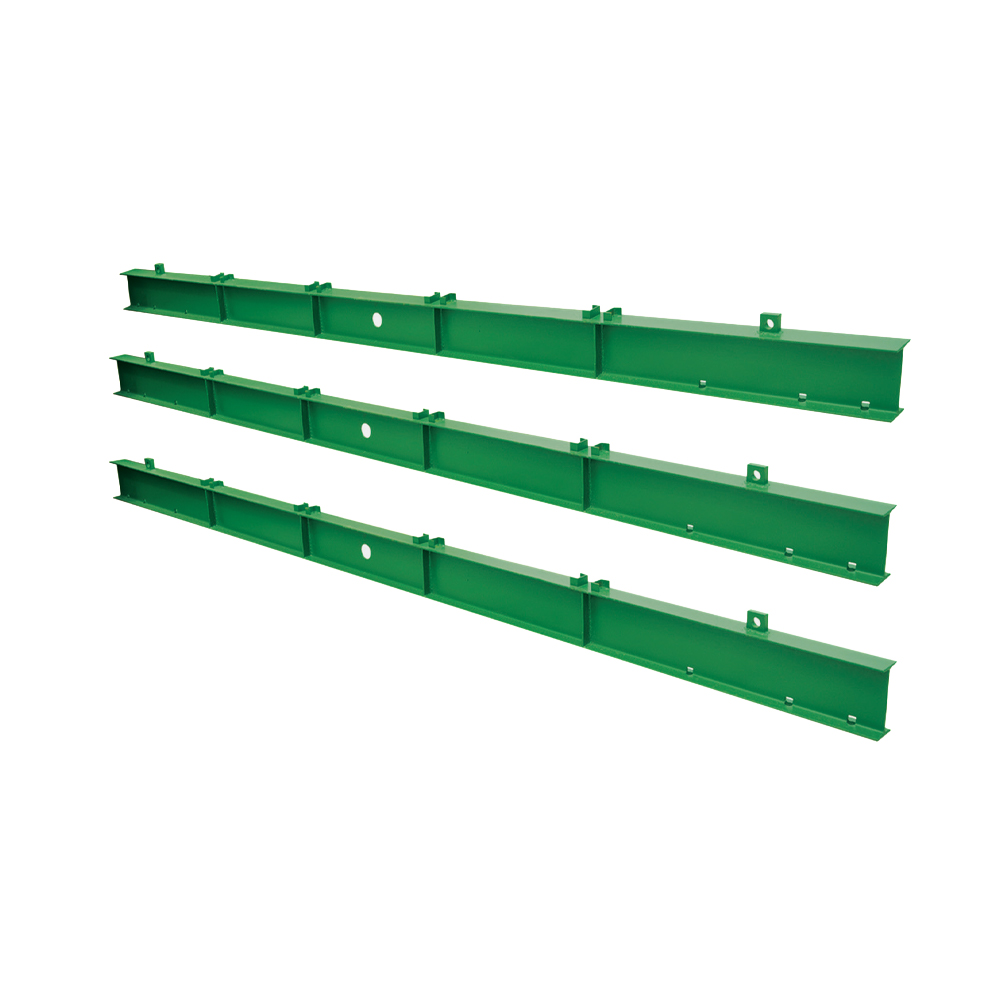
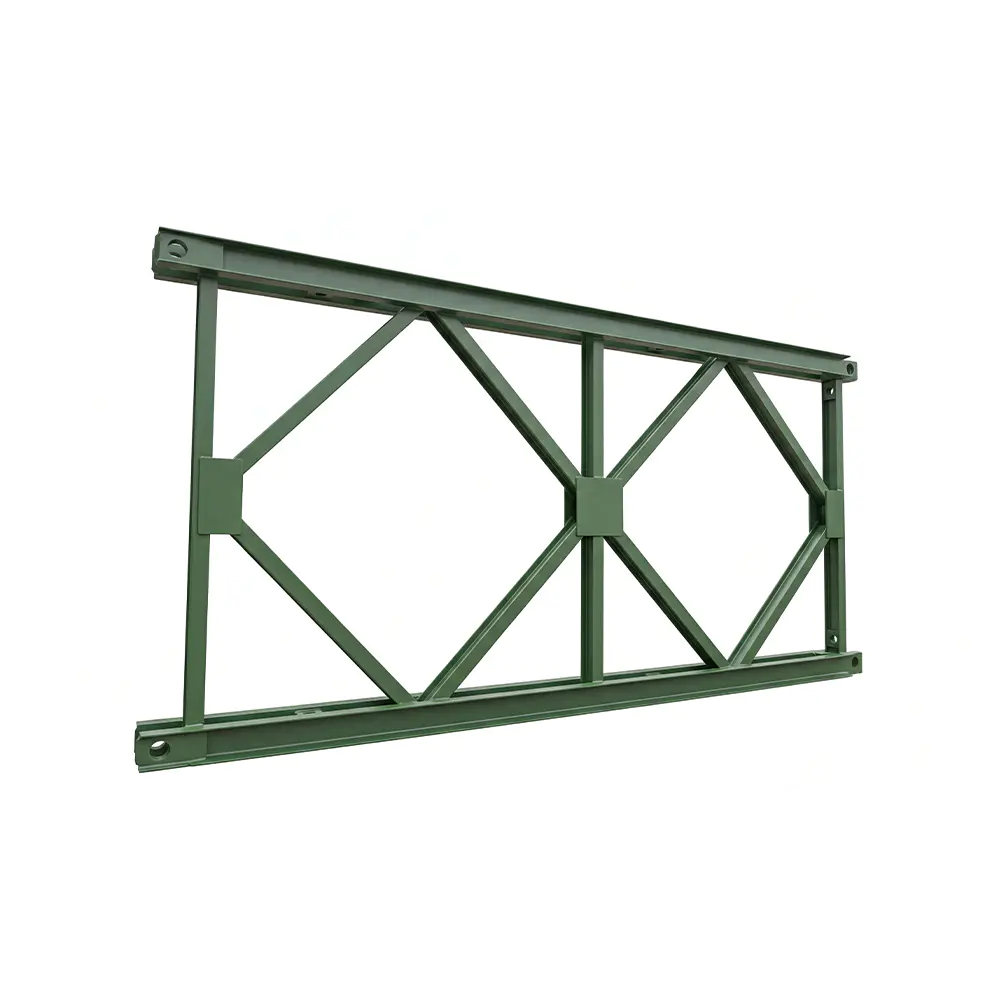
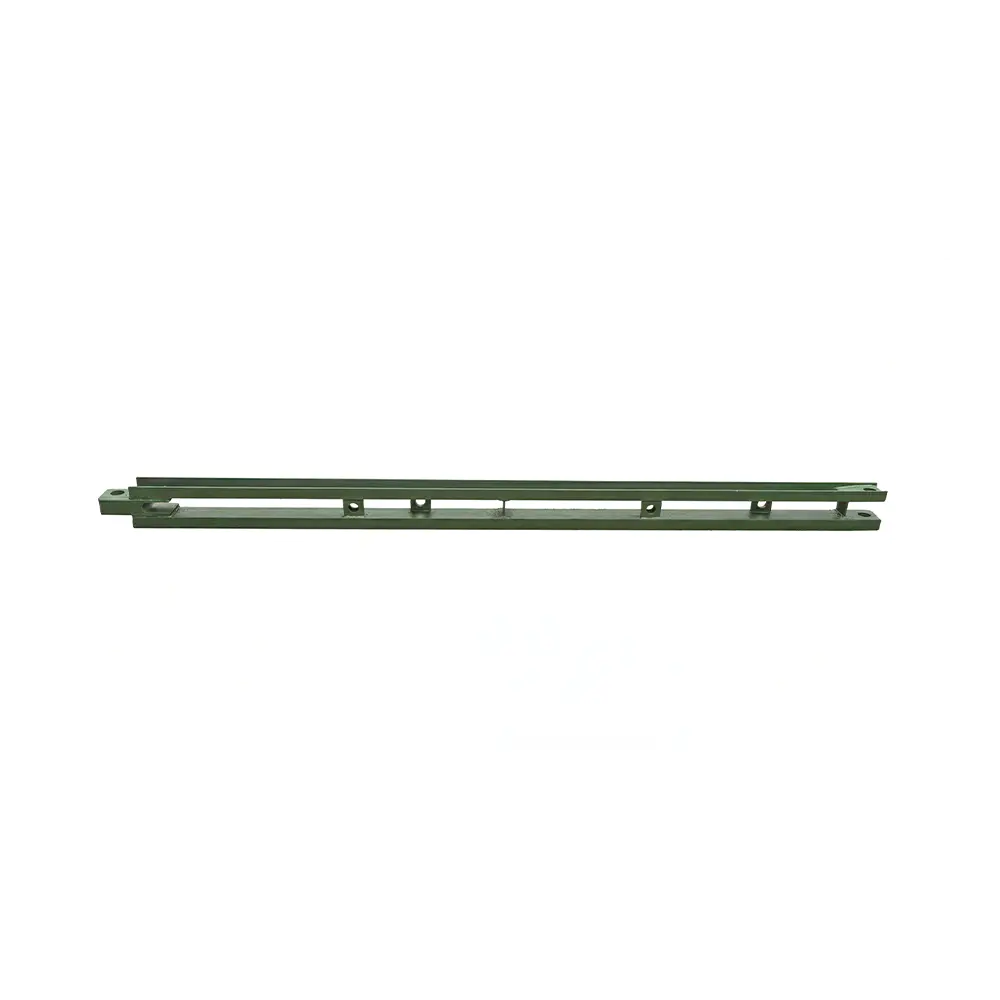
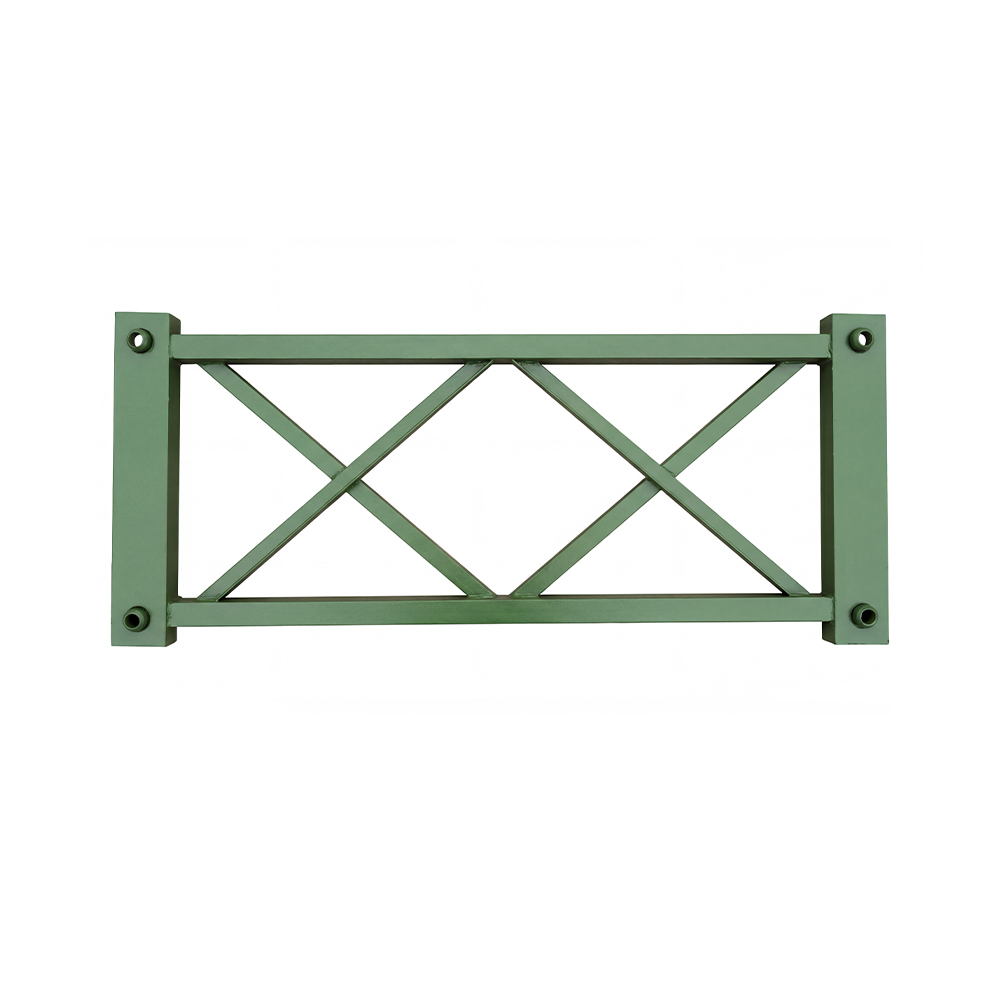
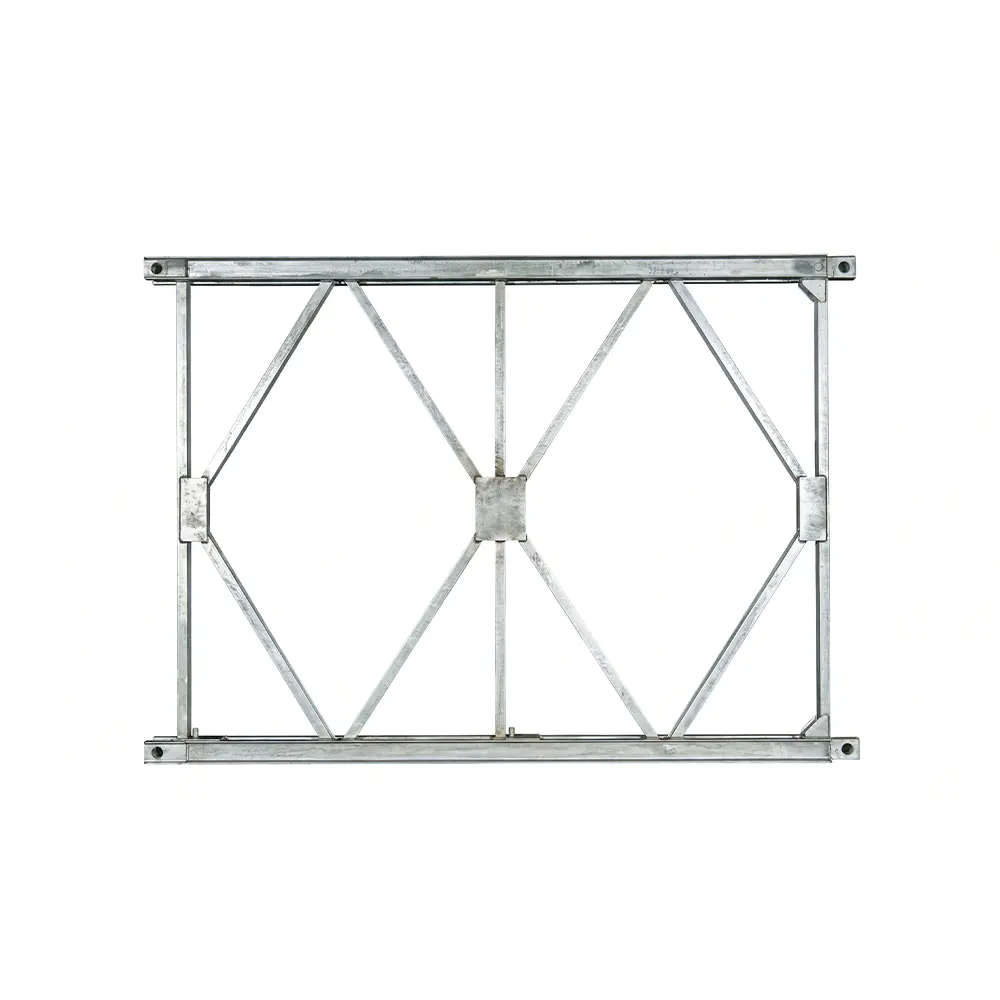
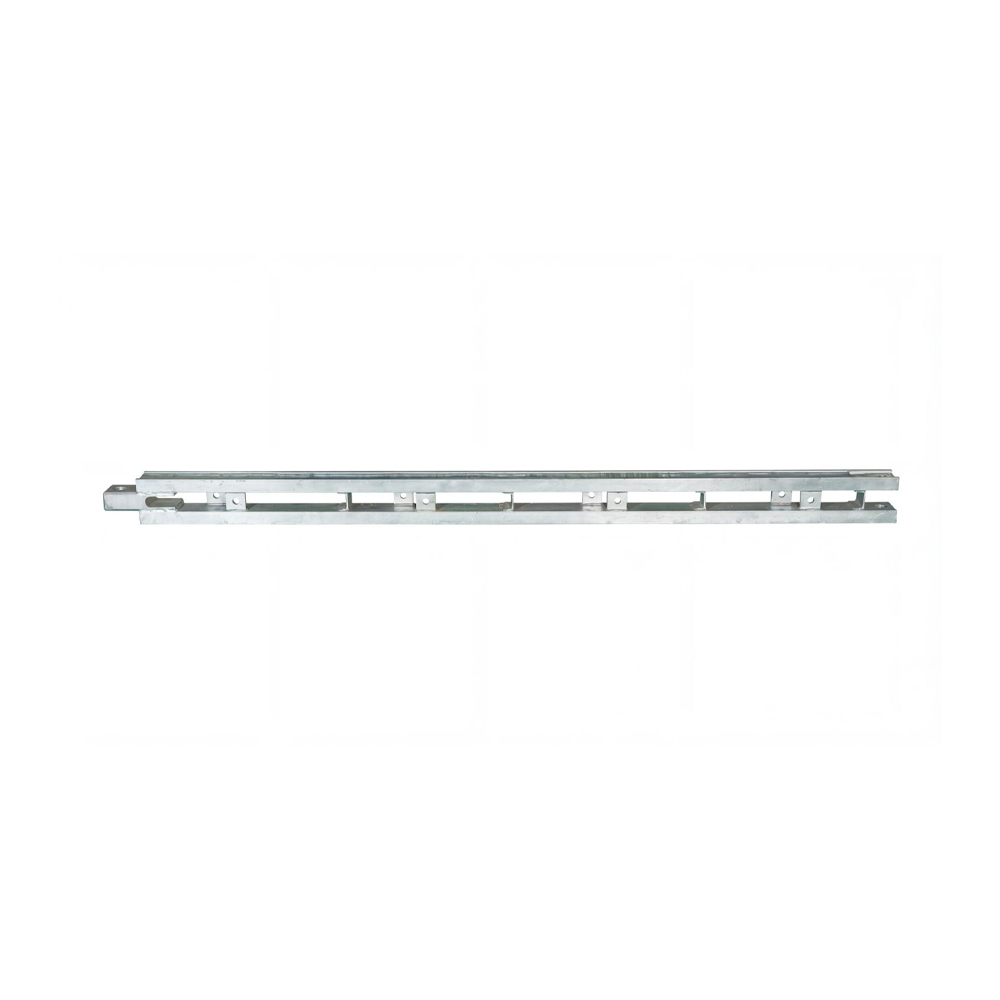
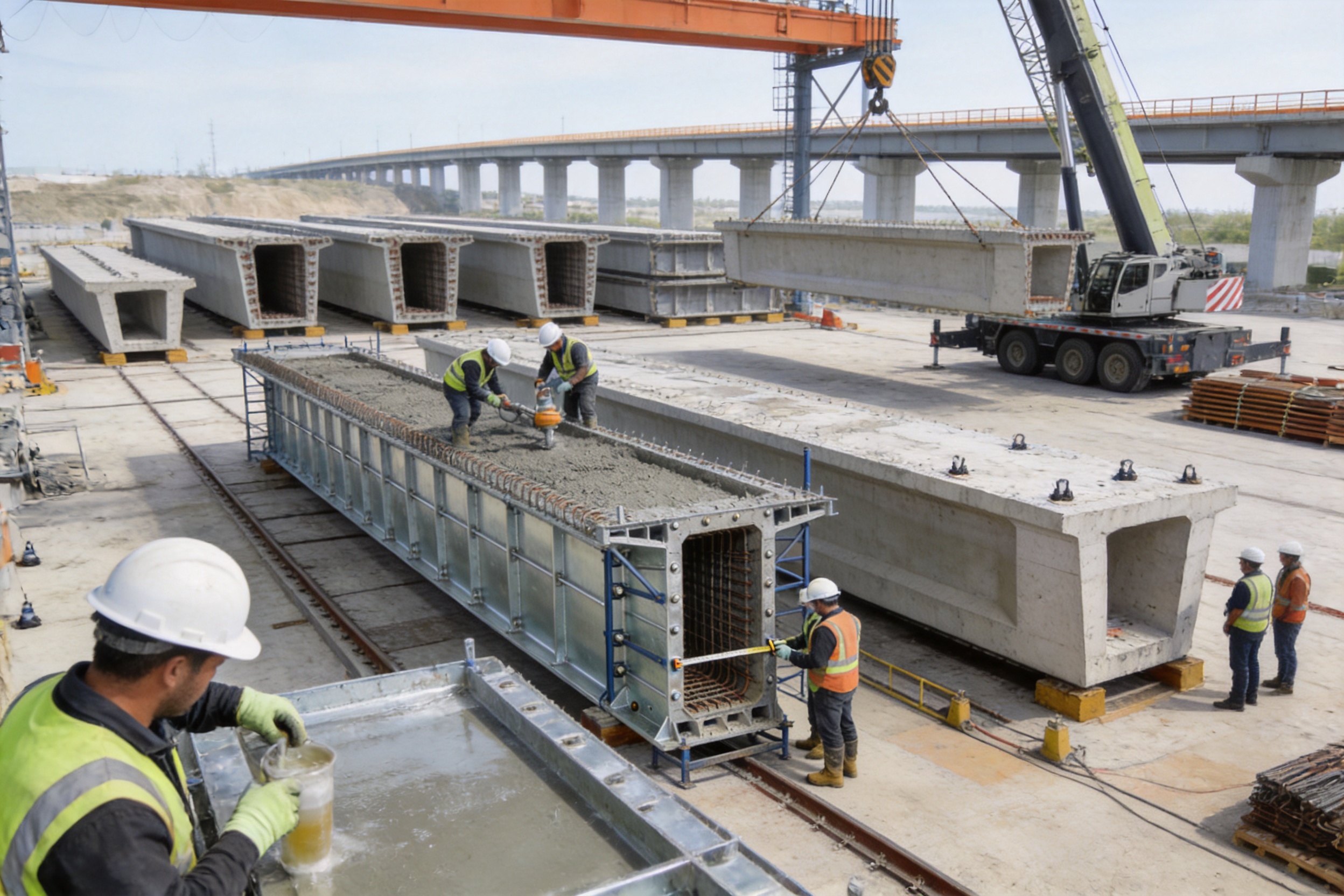
T-beam formwork is an essential production system for the efficient manufacture of reinforced-concrete and prestressed-concrete T-beams. Used primarily in bridge beam prefabrication yards, it provides a controlled forming environment in which concrete can be placed, compacted, cured, and released with a high degree of dimensional consistency. Compared with conventional site-built timber formwork or heavily engineered permanent molds, a well-designed T-beam formwork system offers a practical balance of low handling requirements, fast assembly, repeatable performance, and economical operation.
Modern bridge construction increasingly depends on prefabrication. Highway and railway projects must meet demanding schedules, maintain consistent structural quality, reduce labor-intensive activities, and minimize disruption at the construction site. T-beams produced in a dedicated yard can be inspected more effectively than beams cast directly over an active roadway or difficult terrain. Once cured and approved, the beams can be transported to the project location and installed using suitable lifting and erection equipment. This approach improves construction planning and allows bridge superstructure work to progress in parallel with foundation and substructure activities.
The performance of the formwork directly affects the quality, speed, and cost of this prefabrication process. If the panels are difficult to handle, inaccurate, or vulnerable to rapid wear, production interruptions will increase. If the mold does not maintain its geometry under repeated loading, the finished beam may require additional correction or fail to meet project tolerances. For these reasons, T-beam formwork must be designed as a durable production tool rather than a temporary enclosure around wet concrete.
The T-beam formwork supplied by Zhenjiang Jinhao Road & Bridge Supporting Engineering Co., Ltd. is designed around these practical requirements. Its lightweight configuration, wear-resistant panels, manual assembly capability, and suitability for repeated turnover make it appropriate for mass production in T-beam prefabrication yards. The system supports standardized bridge construction while helping contractors control labor, equipment, and production costs.
Understanding the Role of T-Beam Formwork
A T-beam is named for its cross-sectional profile, which generally consists of a horizontal flange and a vertical web. This geometry enables the beam to work efficiently as part of a bridge deck system. The flange contributes to the compression zone and deck width, while the web provides the primary depth and resistance required for bending and shear. Depending on the project design, T-beams may be manufactured as reinforced-concrete or prestressed-concrete components.
The formwork must reproduce this cross-section accurately while also allowing reinforcement cages, prestressing arrangements, inserts, lifting points, and other embedded components to be positioned correctly. It must remain stable during concrete placement and vibration. After the concrete has achieved the required strength, the formwork must be released without damaging corners, surfaces, or projecting elements.
In a production yard, the same formwork may be used many times. The value of the system therefore depends not only on its initial purchase price but also on its entire service life. A mold that turns over rapidly, requires minimal repair, and can be repositioned easily may offer a lower total cost than a cheaper system that demands extensive maintenance or heavy handling equipment.
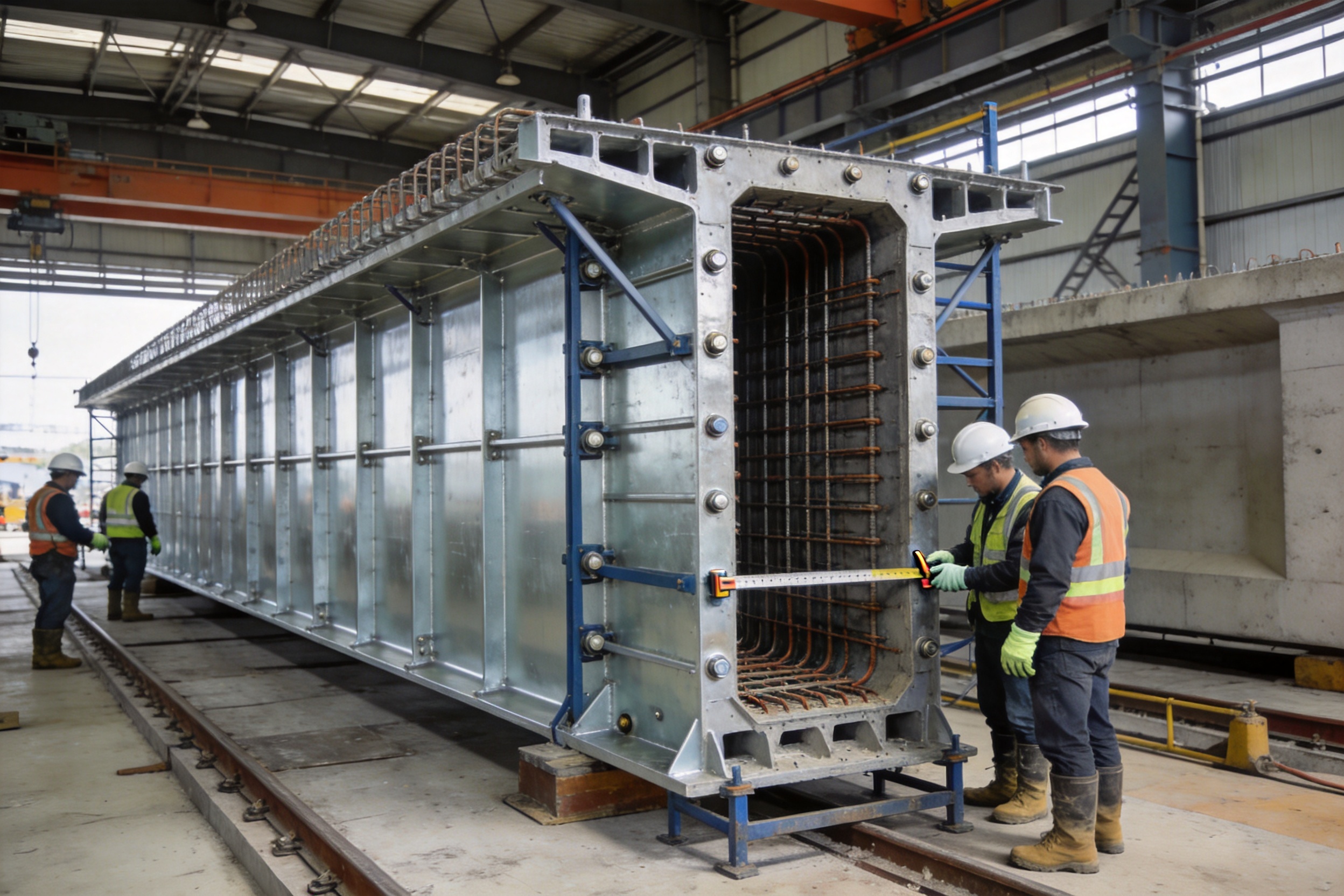
T-beam formwork normally includes side panels, end components, base or supporting elements, bracing arrangements, connection hardware, and adjustment features. The exact configuration depends on beam dimensions, span requirements, production conditions, concrete technology, and whether the system is intended for a fixed production line or flexible project use. A suitable system should permit efficient setup while retaining enough stability and adjustment capacity to accommodate practical construction tolerances.
Why Prefabricated T-Beams Are Widely Used
Prefabricated T-beams are especially suitable for small and medium-span highway and railway bridges. Their production can be organized in a controlled yard where materials, reinforcement, formwork, concrete supply, curing, and quality inspection are arranged in a repeatable sequence. This organization creates a production rhythm that is difficult to achieve when every beam is cast independently at the bridge site.
One important advantage is schedule control. While piers, abutments, approach roads, and drainage works are being constructed, beam production can proceed simultaneously. The completed beams can then be delivered to the site according to the erection plan. This reduces the amount of superstructure work that must be performed over rivers, roads, railways, or other obstacles.
Prefabrication can also improve labor productivity. Workers operate in a familiar environment with dedicated procedures and repeated tasks. Reinforcement preparation, mold cleaning, release-agent application, concrete placement, vibration, curing, and stripping can be organized into specialized workstations. The result is a production process that is easier to monitor and optimize.
Quality control is another major benefit. A prefabrication yard can provide better access for dimensional inspection and surface examination. The same formwork geometry is used repeatedly, reducing variation between individual beams. When the mold is properly maintained and the concrete mix is controlled, the finished products can achieve consistent dimensions and appearance.
These benefits are only realized when the formwork supports the production process rather than slowing it down. A practical T-beam mold must be sufficiently strong for repeated service, yet manageable enough for the available workforce and equipment. This is where lightweight, modular construction becomes particularly valuable.
Key Advantages of the T-Beam Formwork
Lightweight and Easy to Handle
The lightweight design is one of the most important operating advantages of this formwork. Heavy permanent molds may require cranes, forklifts, or specialized lifting frames every time a panel is installed, adjusted, or removed. Such dependence can create bottlenecks in smaller production yards and increase the cost of each beam.
A lighter panel arrangement can be moved and positioned with basic lifting assistance or, where conditions permit, by a trained crew using manual labor and simple tools. This makes the formwork more adaptable to sites with limited equipment availability. It also reduces the time required for setup, stripping, cleaning, and relocation.
Lower handling weight can improve working conditions as well. When panels are easier to control, workers can align them more safely and accurately. Fewer people may be required for routine mold operations, allowing the contractor to allocate labor to reinforcement preparation, concrete work, finishing, and inspection.
Lightweight does not mean unsuitable for production. The formwork must still provide sufficient rigidity and support during concrete placement. The advantage comes from an efficient structural arrangement in which material is used where it contributes most effectively to stability and durability. Proper connections, bracing, panel geometry, and supporting surfaces help the system combine manageable handling with dependable performance.
High Turnover Efficiency
Turnover efficiency describes how quickly a mold can be prepared, filled, released, cleaned, and returned to service. In mass production, this factor has a direct effect on daily output. A mold that remains occupied for unnecessary periods limits production capacity, even if its initial construction is strong.
The T-beam formwork is intended for repeated use in a prefabrication yard. Its assembly method and panel configuration help simplify the work sequence. Once the concrete reaches the required stripping condition, the formwork can be released and prepared for the next beam. With proper planning, several molds can operate in a coordinated production cycle.
Fast turnover also improves equipment utilization. Concrete supply, reinforcement crews, vibrating equipment, curing areas, and lifting machinery can be scheduled more efficiently when mold availability is predictable. Contractors can increase output without automatically expanding the entire production yard.
Compared with traditional timber molds, reusable steel formwork generally offers greater repeatability and a longer service life. Timber may require frequent cutting, replacement, adjustment, and repair, especially when exposed to moisture and repeated concrete contact. A durable panel system reduces these interruptions and helps maintain a consistent production rhythm.
Wear-Resistant Panel Materials
The panel surface is exposed to abrasion, moisture, cement paste, vibration, cleaning operations, and repeated stripping. Over time, inadequate materials can become scratched, distorted, or difficult to clean. These conditions may affect the appearance and dimensions of the finished beam.
The panels used in this T-beam formwork are made from highly wear-resistant material. This feature is important in high-turnover applications because the mold must maintain its forming performance across many production cycles. A resistant surface can help reduce damage caused by routine cleaning, handling, and contact with concrete aggregates.
Wear resistance also contributes to surface quality. A stable panel face is less likely to transfer unwanted irregularities to the concrete. When combined with correct release-agent application and proper vibration practices, it can help produce beams with cleaner surfaces and more consistent edges.
Durable panels can lower maintenance costs. Instead of frequently replacing damaged boards or rebuilding temporary molds, the production team can focus on routine inspection, cleaning, connection checks, and localized maintenance. Over the full life of the equipment, this may provide a significant economic advantage compared with less durable alternatives.
Assembly Without Heavy Equipment
Many bridge construction companies work in locations where cranes and large handling equipment are already committed to other activities. A formwork system that requires heavy machinery for every assembly operation may cause delays and increase rental expenses. The ability to assemble the T-beam formwork using simple tools and manual labor offers greater independence.
This characteristic is particularly useful during initial setup, repair, relocation, and production expansion. A contractor can add or rearrange molds without redesigning the entire yard around a large lifting system. The formwork may also be suitable for projects in remote areas where equipment logistics are difficult.
Manual assembly does not eliminate the need for safe work procedures. Workers should receive appropriate training, use suitable personal protective equipment, and follow an approved installation sequence. Panels must be supported securely during positioning, connections must be tightened correctly, and the completed mold must be inspected before concrete placement.
The practical objective is to reduce unnecessary dependence on heavy equipment while maintaining safe and accurate operations. This gives contractors more flexibility in managing their resources and can shorten the time between delivery and productive use.
Consistent Beam Geometry
Bridge beams are manufactured to defined dimensions and tolerances. Variations in flange width, web thickness, beam depth, end geometry, or alignment can create difficulties during transportation, bearing placement, deck construction, and final bridge assembly. Consistent formwork is therefore essential.
A dedicated T-beam mold establishes a repeatable reference for each production cycle. Once the system is correctly assembled and adjusted, it can reproduce the intended shape more reliably than individually fabricated temporary molds. This repeatability supports inspection and documentation because deviations can be traced to identifiable production conditions.
Consistent geometry also improves interchangeability. Where multiple beams are designed to follow the same standard, each beam should fit the project arrangement without excessive field modification. This can simplify lifting plans, bearing installation, diaphragm construction, and deck slab preparation.
The formwork does not replace engineering control. Beam dimensions still depend on the approved design, reinforcement arrangement, concrete mix, curing process, and measurement procedures. However, reliable formwork provides the essential physical foundation for maintaining those requirements.
Economical Production for Small and Medium-Span Bridges
Not every bridge project requires a highly automated production line or a complex permanent casting facility. For many small and medium-span highway and railway bridges, contractors need a system that is durable and repeatable without imposing excessive capital or equipment costs.
The T-beam formwork is suited to this market because it combines reusable steel construction with relatively simple handling requirements. Contractors can establish a productive casting area using practical resources rather than investing in a heavily mechanized plant. The system is also appropriate for projects where production volume is substantial but beam dimensions remain standardized.
Cost control involves more than the purchase price. Labor requirements, setup time, maintenance, equipment rental, mold life, production interruptions, and surface repair all influence the final cost of each beam. A lightweight, wear-resistant, high-turnover system can improve several of these factors simultaneously.
For contractors, the result is a more predictable production budget. For owners and public agencies, it can support economical bridge delivery while preserving the quality and consistency expected from prefabricated structural components.
Comparison with Conventional and Competing Formwork Systems
Different projects require different formwork technologies, but T-beam formwork has several practical advantages over common alternatives. The most traditional option is timber formwork. Timber is readily available and easy to modify, but it may suffer from dimensional changes, moisture damage, surface wear, and inconsistent reuse. Skilled carpenters may also be required for repeated fabrication and adjustment.
Steel formwork generally provides better durability and dimensional stability. However, some steel systems are heavy and demand cranes or other equipment for routine handling. The T-beam formwork described here addresses this limitation through a lighter modular configuration. It retains the benefits of steel-based reuse while reducing the handling burden.
Large automated casting beds can achieve impressive output, especially for highly standardized beam families. Nevertheless, they may involve significant investment, permanent foundations, specialized machinery, and limited flexibility. A modular T-beam mold can be more suitable for contractors who need adaptable production capacity across different project locations.
Permanent molds may deliver excellent accuracy but can be difficult to transport or modify. A modular system offers a more practical balance for companies that undertake varied bridge projects. Panels and components can be arranged according to approved beam requirements, and the production setup can be adjusted without replacing an entire integrated casting plant.
| Evaluation Factor | Traditional Timber Formwork | Heavy Permanent Steel Mold | Lightweight Modular T-Beam Formwork |
|---|
| Initial handling requirement | Low to moderate | High | Low to moderate |
| Repeatability | Moderate and dependent on workmanship | High | High when correctly assembled |
| Resistance to repeated wear | Limited to moderate | High | High through wear-resistant panels |
| Need for heavy equipment | Usually low | Often high | Reduced through lightweight construction |
| Adaptability between projects | High but labor-intensive | Often limited | High within approved design parameters |
| Production turnover | Moderate | Moderate to high | High |
| Long-term maintenance | Frequent replacement or adjustment | Routine inspection and equipment maintenance | Routine inspection, cleaning, and connection maintenance |
The comparison should not be interpreted as a substitute for project-specific engineering evaluation. Formwork selection depends on beam dimensions, production quantity, site conditions, available labor, concrete technology, and required tolerances. The main advantage of the lightweight modular approach is its combination of practical mobility, repeatable forming quality, and efficient reuse.
Manufacturing Strengths and Quality Approach
Zhenjiang Jinhao Road & Bridge Supporting Engineering Co., Ltd. has developed from a business focused on construction materials, industrial materials, and metal processing materials into a comprehensive road and bridge engineering enterprise. Established in 2017, the company now undertakes the design, manufacture, erection, and leasing of Bailey bridges, bridge launching gantry systems, hanging baskets, pier formwork, and various steel formwork products.
This background is relevant to T-beam formwork because bridge formwork requires more than basic metal fabrication. It requires an understanding of structural construction sequences, site handling, erection constraints, concrete operations, and the interface between temporary equipment and permanent bridge components. Experience across several categories of bridge-supporting products allows the company to approach formwork as part of an integrated construction system.
The company operates from Shangdang Town Industrial Park in Dantu District, Zhenjiang City, Jiangsu Province. Its location near major transport routes and the Beijing-Hangzhou Grand Canal supports the movement of steel materials, fabricated components, finished formwork, and other bridge equipment. Access to transport infrastructure is especially valuable for products that may be supplied to contractors in different regions or prepared for overseas projects.
Engineering-Oriented Product Development
Product development begins with understanding the intended beam profile, production method, handling conditions, and required repetition rate. A formwork system must be compatible with the contractor’s casting yard rather than designed only as an isolated product. Questions such as panel access, stripping sequence, cleaning space, concrete placement, reinforcement installation, and lifting arrangements influence the final configuration.
Jinhao’s broader product range includes Type 321 Bailey truss sections, HD200 or Type 200 Bailey truss sections, triangular and diamond hanging baskets, bridge steel formwork, and related engineered steel structures. This range indicates an established focus on modular bridge equipment and fabricated steel systems. The same engineering mindset supports the development of T-beam molds that are practical to assemble, use, maintain, and relocate.
Where project requirements differ, formwork should be reviewed against the approved drawings and production conditions. Dimensions, connection details, support arrangements, access provisions, and lifting points may require project-specific confirmation. A manufacturer with design and system-planning capabilities can help coordinate these details before fabrication begins.
Material Selection and Fabrication Control
Reliable formwork starts with suitable materials. Panel material must tolerate repeated contact with fresh concrete, cleaning, handling, and environmental exposure. Structural members and connection components must provide adequate stability for the intended use. Surface condition, straightness, weld quality, and dimensional accuracy all affect the finished product.
Manufacturing should proceed through controlled stages, including material preparation, cutting, forming, fit-up, welding, surface treatment where applicable, dimensional inspection, and final assembly. Each stage creates an opportunity to prevent defects before the product reaches the jobsite.
Accurate cutting and fit-up help ensure that panels meet their intended dimensions. Controlled welding can reduce distortion and maintain the relationship between adjoining components. Appropriate inspection of joints and connection points helps verify that the assembled system can perform as intended. Final trial assembly is valuable because it confirms that components connect correctly and that the production team can understand the installation sequence.
The objective is not merely to make visually robust steel products. It is to deliver a formwork system that performs repeatedly under actual construction conditions. Manufacturing quality must therefore be linked to field usability, maintainability, and the required production cycle.
Integrated Quality Management
Quality management covers design review, raw-material control, fabrication inspection, dimensional verification, assembly checks, packaging, delivery, and technical support. A product can be damaged or misidentified if handling and dispatch are not properly organized, even when fabrication itself is satisfactory.
For T-beam formwork, useful quality checks may include verification of panel dimensions, straightness, connection alignment, support arrangement, surface condition, and completeness of accessories. Before production begins, the contractor should also confirm that the assembled mold matches the approved beam profile and that all required clearances are available.
Jinhao emphasizes quality management as part of its broader operating principles. The company’s services include customized fabrication, design and system planning, technical support, and construction-related support. This combination is important for contractors that need assistance beyond the shipment of steel components.
Production Workflow in a T-Beam Prefabrication Yard
1. Yard Planning and Base Preparation
The casting area should be level, stable, and capable of supporting the formwork and fresh concrete loads. Drainage, access paths, reinforcement storage, concrete delivery, curing arrangements, and lifting operations should be considered before the mold is installed. A well-planned yard reduces unnecessary movement and protects the formwork from avoidable impact.
The base or supporting surface must provide a consistent reference. Uneven support can cause alignment problems, local stress, or dimensional variation in the beam. Before assembly, the production team should inspect the working area and correct unsuitable conditions.
2. Formwork Assembly
Assembly should follow a planned sequence. Panels and support members are positioned, connected, aligned, and braced according to the approved configuration. Because the system is designed for simple-tool installation, the crew can complete many routine operations without relying on large lifting equipment.
Connections should be checked for tightness and correct engagement. Gaps or misalignment at joints may permit cement paste leakage or create visible lines on the beam surface. The formwork should also be checked for squareness, level, profile, and stability before reinforcement is placed.
3. Reinforcement and Embedded Components
Reinforcement cages, prestressing elements, ducts, inserts, lifting anchors, and other embedded items must be installed according to the structural drawings. The formwork provides the external geometry, but internal components determine much of the beam’s structural performance.
Clear cover, cage position, end-zone details, and embedded hardware should be verified before concrete placement. The formwork must remain stable while workers install these components. Access should be organized so that workers can complete the work without damaging panels or displacing the reinforcement.
4. Release-Agent Application
A suitable release agent should be applied evenly to the forming surfaces. Excess material may affect the concrete finish, while insufficient coverage can make stripping difficult and increase the risk of surface damage. The panel surface should be clean and free from hardened concrete before each cycle.
Release-agent selection should be compatible with the panel material and the project’s concrete requirements. The contractor should follow the product instructions and establish a consistent application procedure. Good preparation is one of the simplest ways to extend formwork life and improve beam appearance.
5. Concrete Placement and Compaction
Concrete should be placed according to the approved method, avoiding excessive impact or unbalanced loading on the mold. Placement should proceed in a sequence that limits segregation and allows proper consolidation around reinforcement and embedded components.
Vibration must be sufficient to remove trapped air but controlled enough to avoid displacement of the reinforcement or overloading localized areas. The formwork should be observed during placement for leakage, movement, unusual deformation, or connection problems. Any abnormal condition should be addressed before production continues.
6. Curing and Stripping
The beam should remain in the formwork until it reaches the required stripping condition specified by the project engineer or concrete procedure. Premature stripping can damage edges and corners, while unnecessary delay reduces turnover efficiency.
When stripping begins, panels should be released in a controlled sequence. Sudden impact, prying against finished concrete, or uneven removal can damage both the beam and the mold. After removal, the panels should be cleaned, inspected, and prepared for the next cycle.
7. Inspection and Storage
Each finished beam should be checked for dimensions, surface condition, cracks, embedded components, lifting points, and identification marks. Approved beams should be stored on suitable supports that maintain stability and prevent damage during lifting or transport.
Production records can include casting date, concrete batch information, mold identification, curing information, inspection results, and repair notes. These records help the contractor identify trends and maintain traceability throughout the bridge project.
Maintenance and Service-Life Considerations
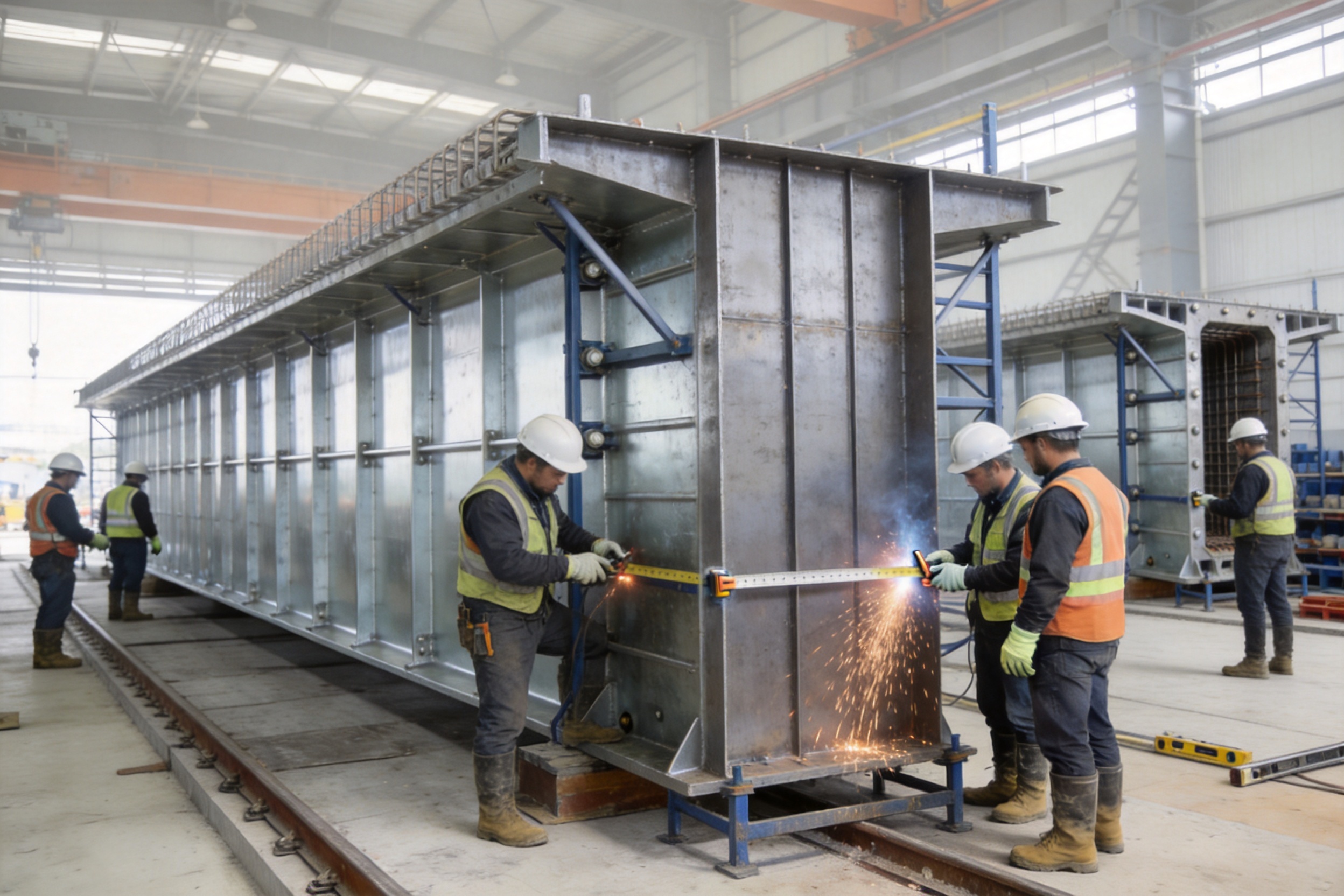
Routine maintenance is essential for maintaining formwork accuracy and extending service life. After each use, concrete residue should be removed before it hardens. Cleaning tools and methods should be selected to avoid unnecessary scratching or deformation of panel surfaces.
Connections, bolts, braces, supports, and adjustment points should be inspected regularly. Loose or damaged components can affect alignment and create safety risks. Any bent panel or distorted support should be removed from service until it has been evaluated and corrected.
Storage also influences durability. Panels should be placed on stable supports, protected from standing water, and arranged so that lifting equipment or workers can access them safely. Components should be identified and organized to prevent incorrect assembly during the next production cycle.
A maintenance schedule may be based on casting cycles rather than calendar time. For example, the contractor can establish inspection points after a defined number of uses, after relocation, after unusual loading, and before a new project begins. This approach connects maintenance to actual operating conditions.
Safety and Operational Best Practices
Even lightweight formwork must be treated as structural construction equipment. Before concrete placement, the complete assembly should be checked for stability, support, connection security, alignment, and access. Workers should not stand in areas where panels may move unexpectedly or where concrete placement creates uncontrolled hazards.
Manual handling should be planned according to panel weight, shape, travel distance, and available personnel. Where a panel is awkward or difficult to control, suitable mechanical assistance should be used even if the system does not require heavy equipment. Reducing crane dependence does not mean eliminating safe lifting practices.
Work areas should be kept clear of unnecessary materials. Bolts, tools, release-agent containers, reinforcement offcuts, and hoses can create trip hazards. Clear walkways help workers inspect the mold and respond quickly if a problem occurs during concrete placement.
Training should cover assembly sequence, connection checks, release procedures, cleaning, storage, and emergency response. New workers should be supervised until they understand the system. Consistent procedures reduce errors and support the repeatability that makes prefabrication economical.
Applications in Highway and Railway Bridge Construction
T-beam formwork is widely applicable to bridge superstructures where beams are produced in repeated dimensions. Highway bridges, railway overpasses, viaduct approaches, culverts with beam decks, and municipal crossings may all use T-beam arrangements when the structural design is suitable.
For highway projects, the formwork supports production of beams that can be transported to the bridge alignment and erected during planned road closures or controlled traffic operations. For railway projects, prefabrication can reduce the amount of work performed near active tracks and improve coordination with possession schedules.
The system can also support emergency reconstruction and rapid infrastructure renewal where standardized bridge components are required. Although project conditions vary, the ability to establish a casting yard with limited heavy equipment can be helpful in locations where logistics are constrained.
Because T-beams are commonly associated with small and medium spans, the formwork is particularly valuable for regional bridge programs involving multiple similar structures. A contractor may reuse the molds across a series of projects, improving equipment utilization and reducing the need to develop a new temporary mold for each bridge.
Why Choose an Experienced Bridge Equipment Manufacturer
Purchasing formwork from an experienced bridge equipment manufacturer can simplify more than the fabrication stage. Contractors often need help interpreting beam drawings, arranging production lines, planning installation, selecting accessories, and coordinating the mold with other bridge equipment.
Jinhao’s experience with Bailey bridges, launching gantries, hanging baskets, pier formwork, and steel structures gives it a broad understanding of bridge construction environments. This is useful when T-beam production is part of a larger bridge package involving temporary works, erection systems, or specialized construction equipment.
The company provides customized fabrication and technical support for contractors, governments, and engineering companies. Customization may involve dimensions, connection details, production arrangements, shipping requirements, or coordination with an existing yard. Any customization should be based on approved engineering information and confirmed operating conditions.
A responsive manufacturer can also support lifecycle value. Technical communication before production reduces the risk of receiving components that are difficult to assemble. Guidance during installation can help the site team establish a safe and efficient workflow. After delivery, maintenance recommendations and replacement support can help preserve the equipment’s performance.
Project Planning and Procurement Recommendations
Before ordering T-beam formwork, the buyer should prepare the basic technical information required for evaluation. This normally includes beam drawings, cross-sectional dimensions, production quantity, expected turnover rate, concrete type, reinforcement arrangement, lifting method, yard conditions, and delivery location.
The number of molds should be determined from the required output and the complete production cycle. If one beam occupies a mold for several days because of curing or prestressing requirements, additional molds may be needed to achieve the target schedule. A production plan should include cleaning, reinforcement installation, concrete placement, curing, stripping, inspection, and storage.
Buyers should also review how the formwork will be unloaded and moved after arrival. Lightweight components simplify handling, but suitable space and basic tools are still necessary. The contractor should assign responsibility for receiving inspection, assembly supervision, and acceptance documentation.
Important procurement questions include the following:
Are the formwork dimensions compatible with the approved beam design?
Are all panels, braces, supports, fasteners, and accessories included?
Can the system be assembled with the labor and tools available at the site?
What inspection records and installation guidance are supplied?
How should panels be cleaned, stored, and maintained?
What technical support is available during customization and commissioning?
Clear answers to these questions help prevent delays and ensure that the formwork delivers its expected value after purchase.
Economic and Environmental Benefits
Reusable formwork can reduce the consumption of disposable timber and other temporary materials. Because the T-beam panels are intended for repeated turnover, the same equipment can support a series of beams or projects. This reduces waste associated with rebuilding individual molds for every casting operation.
Lightweight construction may also reduce fuel consumption and equipment hours during handling. If cranes or forklifts are not required for every routine operation, the production yard may operate with lower energy use and fewer equipment movements. The specific environmental benefit depends on project conditions, but reduced handling demand is generally favorable.
Longer service life contributes to resource efficiency. A wear-resistant panel that remains accurate through repeated cycles avoids premature replacement. Maintenance and repair should still be performed responsibly, but durable equipment can reduce the frequency of manufacturing and transporting replacement components.
Prefabrication itself can support cleaner construction sites. Casting in a controlled yard helps contain concrete waste, manage wash water, organize materials, and reduce the amount of formwork debris generated at the bridge location. These benefits are especially useful where the site is near waterways, urban roads, agricultural land, or environmentally sensitive areas.
Q&A: Common Questions About T-Beam Formwork
What is T-beam formwork used for?
T-beam formwork is used to create the external shape of T-shaped reinforced-concrete or prestressed-concrete bridge beams. It is mainly installed in prefabrication yards for repeated beam production and is commonly applied to small and medium-span highway and railway bridges.
Can the formwork be assembled without a crane?
The system is designed so that assembly can be completed with simple tools and manual labor under suitable conditions. Whether a crane or small lifting device is advisable depends on the actual panel dimensions, site layout, workforce, and safety requirements. The main benefit is reduced dependence on heavy equipment for routine assembly and handling.
What makes the panels suitable for repeated use?
The panels are made from highly wear-resistant material intended to withstand repeated contact with concrete, cleaning, handling, and stripping operations. Proper cleaning, release-agent application, inspection, and storage are still necessary to achieve a long service life.
Is lightweight formwork strong enough for concrete placement?
Lightweight design refers to reduced handling weight, not inadequate structural performance. The completed mold must be assembled with the specified supports, bracing, and connections so that it can maintain its geometry during concrete placement and vibration. Project-specific technical confirmation should always be completed before use.
Can the formwork be customized?
Customization may be possible according to the beam drawings, production requirements, connection preferences, and yard conditions. The manufacturer should review the approved technical information before confirming dimensions and fabrication details.
How does T-beam formwork improve production efficiency?
It supports repeated casting cycles, simplifies assembly and stripping, reduces manual fabrication work, and helps maintain consistent beam geometry. Its high turnover efficiency allows the same equipment to support mass production with fewer interruptions.
What types of bridges are suitable for T-beams?
T-beams are commonly used in small and medium-span highway and railway bridge superstructures. Suitability depends on the structural design, span, loading, deck arrangement, transportation limitations, and project standards. The bridge engineer must approve the beam system for each application.
How should the formwork be maintained?
Panels should be cleaned after each use, connections should be inspected, damaged components should be repaired or removed from service, and all parts should be stored on stable supports away from standing water. A maintenance schedule based on casting cycles is recommended.
What support can a manufacturer provide?
An experienced manufacturer may provide design coordination, system planning, customized fabrication, technical guidance, installation support, and quality documentation. The level of support should be confirmed during procurement.
Why is consistent formwork geometry important?
Consistent geometry helps produce beams with repeatable dimensions and surface quality. This supports transportation, bearing placement, erection, deck construction, inspection, and interchangeability between beams manufactured for the same bridge project.
Conclusion
T-beam formwork is a practical solution for contractors seeking efficient and consistent bridge beam production. Its value comes from the combination of lightweight handling, wear-resistant panels, simple assembly, high turnover efficiency, and suitability for repeated use. These characteristics make it particularly appropriate for prefabrication yards serving small and medium-span highway and railway bridge projects.
Compared with traditional timber molds, the system offers improved repeatability and durability. Compared with heavy permanent steel molds, it can reduce handling requirements and increase flexibility. Compared with highly automated production beds, it can provide a more accessible solution for contractors that need reliable output without excessive investment in specialized equipment.
The performance of any formwork system depends on correct engineering, manufacturing, assembly, inspection, and maintenance. A manufacturer with experience in bridge equipment and engineered steel structures can help connect these stages into a complete solution. Zhenjiang Jinhao Road & Bridge Supporting Engineering Co., Ltd. combines customized fabrication, design and planning capabilities, technical support, and experience across a broad range of bridge products.
For contractors, governments, and engineering companies, the result is more than a reusable mold. It is a production tool that supports schedule control, cost management, construction quality, and safer organization of bridge beam manufacturing. When selected and operated correctly, T-beam formwork can become a dependable part of a standardized bridge construction program.
References
1. Standard principles of reinforced-concrete bridge design and precast beam production.
2. General practices for steel formwork fabrication, inspection, assembly, and maintenance.
3. Construction guidance for prefabricated highway and railway bridge superstructures.
4. Quality-control procedures for concrete placement, vibration, curing, stripping, and dimensional inspection.
5. Occupational safety principles for manual handling, temporary works, lifting operations, and construction-site access.
6. Manufacturer information concerning T-beam formwork, bridge steel formwork, Bailey bridge systems, launching gantries, and related engineered steel structures.


 Français
 Español
 عربى