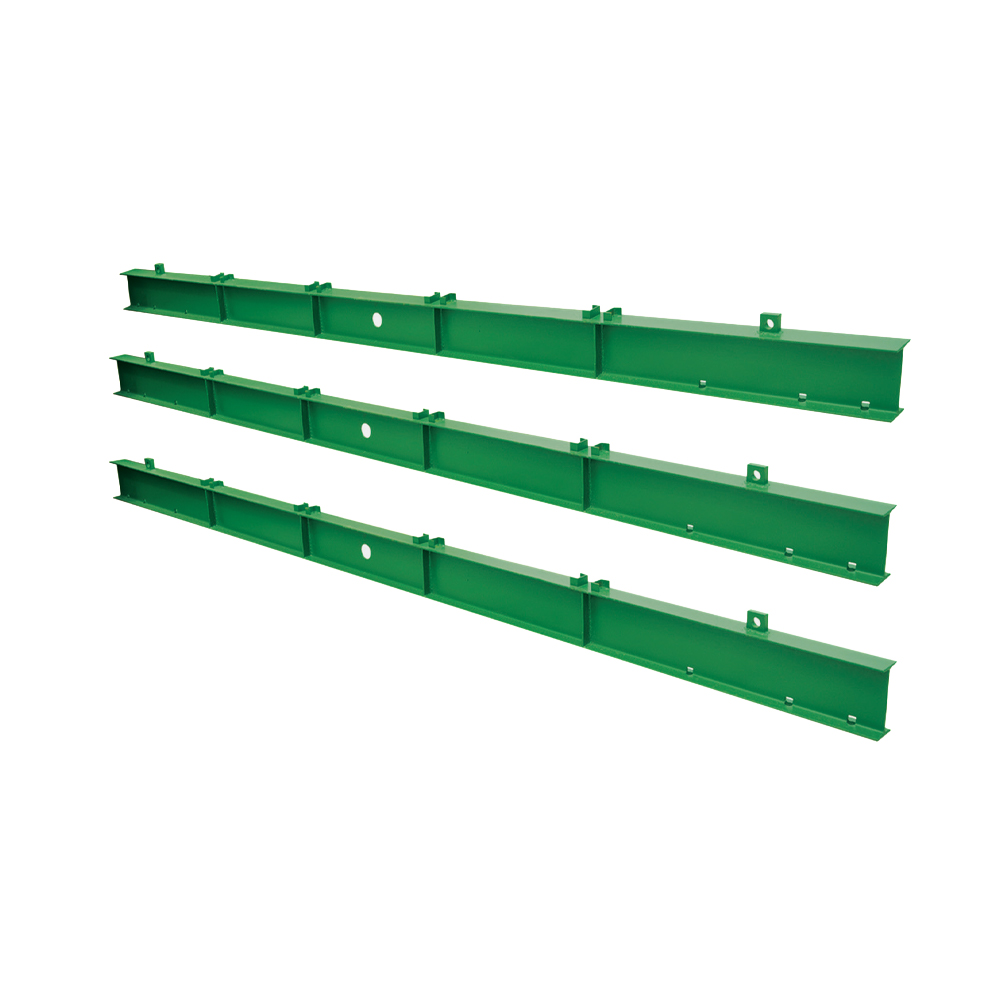
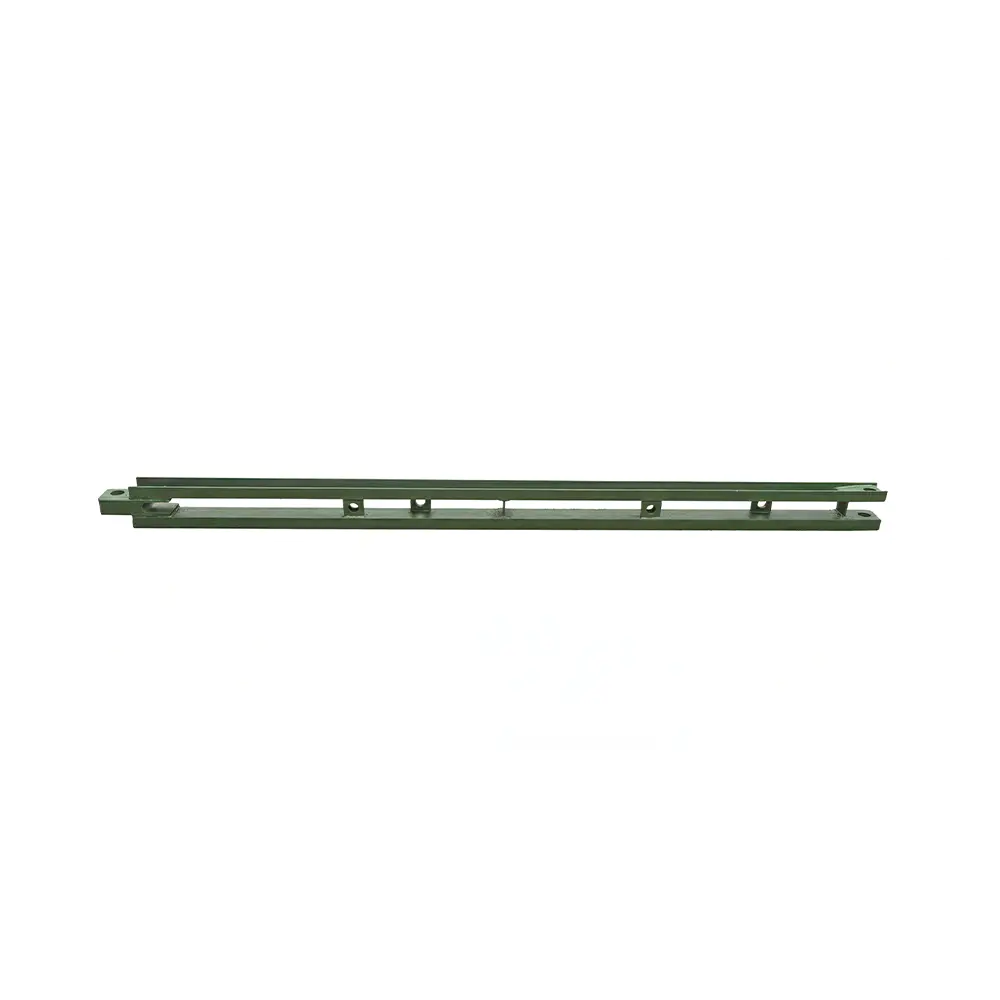
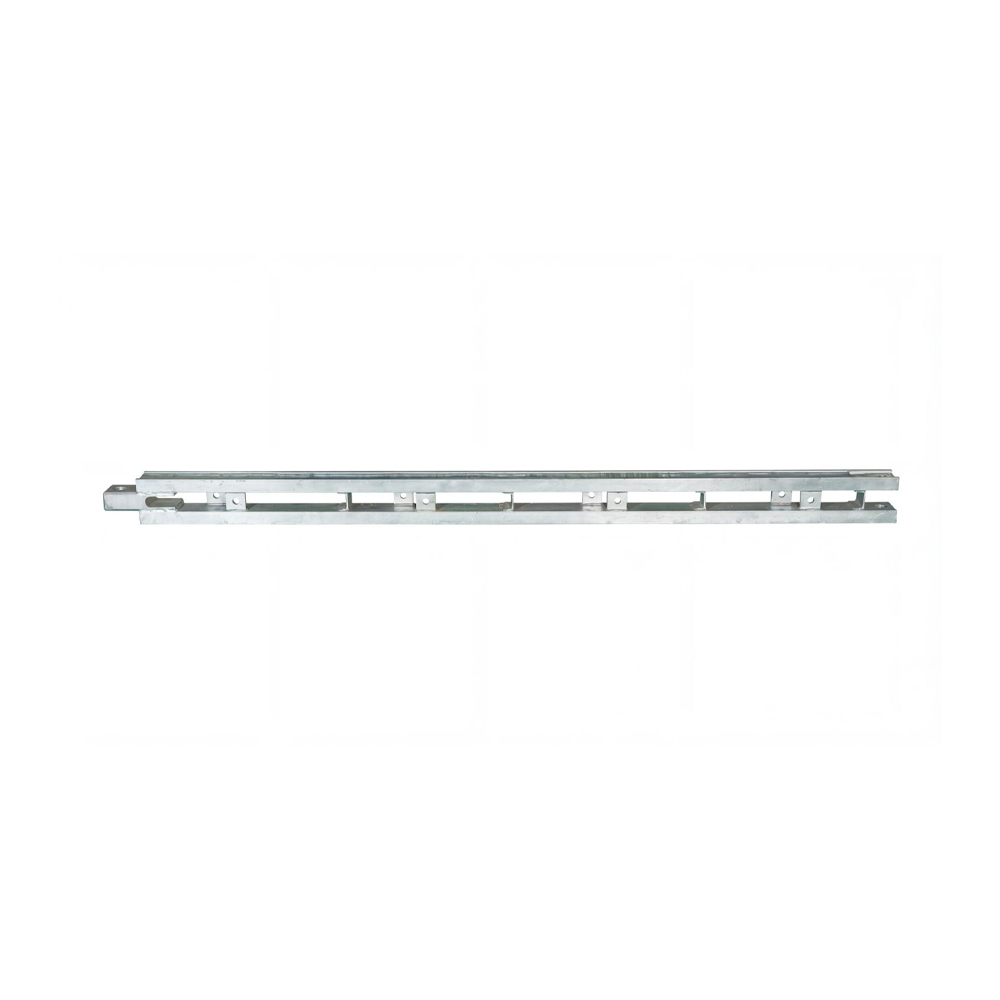
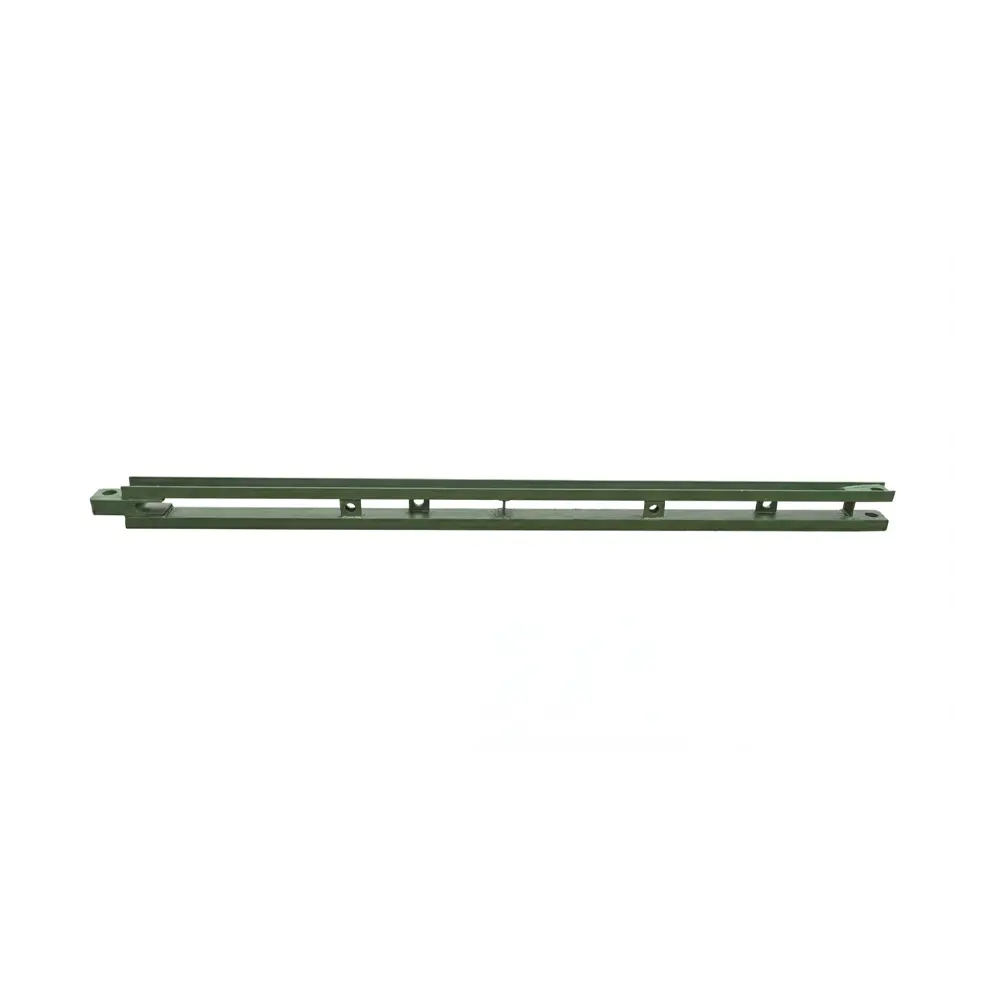
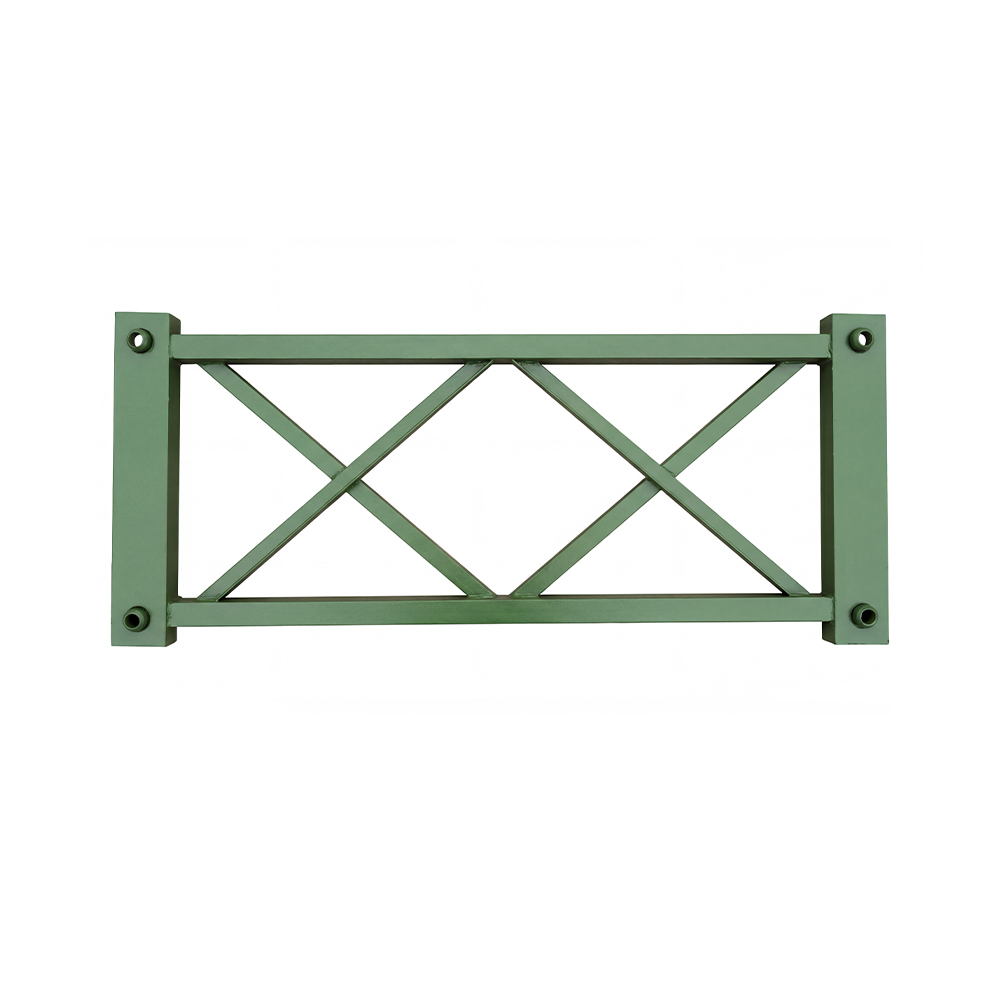
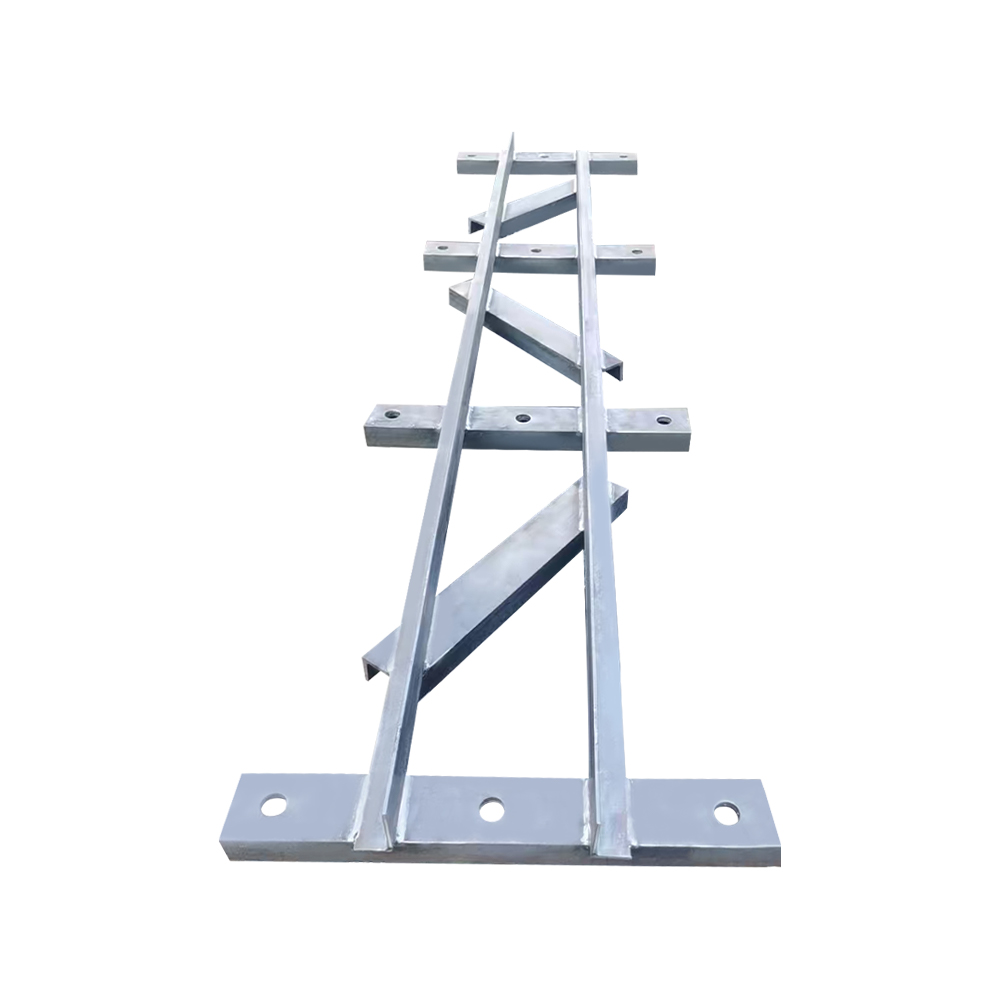
Caisson formwork is a specialized steel formwork system developed for the construction of large hollow concrete structures used in ports, cross-sea bridges, marine infrastructure, offshore engineering, and other water-related projects. Unlike ordinary construction formwork, caisson formwork must perform under demanding conditions that may include seawater immersion, tidal movement, salt spray, hydrostatic pressure, restricted working space, repeated assembly, and prolonged exposure to corrosive media.
The quality of the formwork directly affects the dimensional accuracy, surface finish, structural integrity, and construction efficiency of the finished caisson. A formwork system that is insufficiently rigid may deform during concrete placement. A system with poor sealing may allow cement slurry leakage, while inadequate corrosion protection can shorten service life and increase maintenance requirements. For these reasons, marine construction requires formwork that combines structural strength, water resistance, corrosion resistance, accurate fabrication, and practical installation procedures.
Modern caisson formwork is generally manufactured as a modular steel system. It can be designed for caisson prefabrication on land, underwater concreting, staged casting, or other project-specific construction methods. The panels, stiffening ribs, connection components, access elements, and supporting frames are engineered as an integrated system so that the formwork can withstand construction loads while maintaining the required geometry.
Zhenjiang Jinhao Road & Bridge Supporting Engineering Co., Ltd. provides caisson formwork as part of its broader bridge steel formwork and engineered steel structure portfolio. The company combines design, fabrication, erection, leasing, and technical support capabilities to deliver formwork solutions for contractors, infrastructure developers, government projects, and engineering companies.
What Is Caisson Formwork?
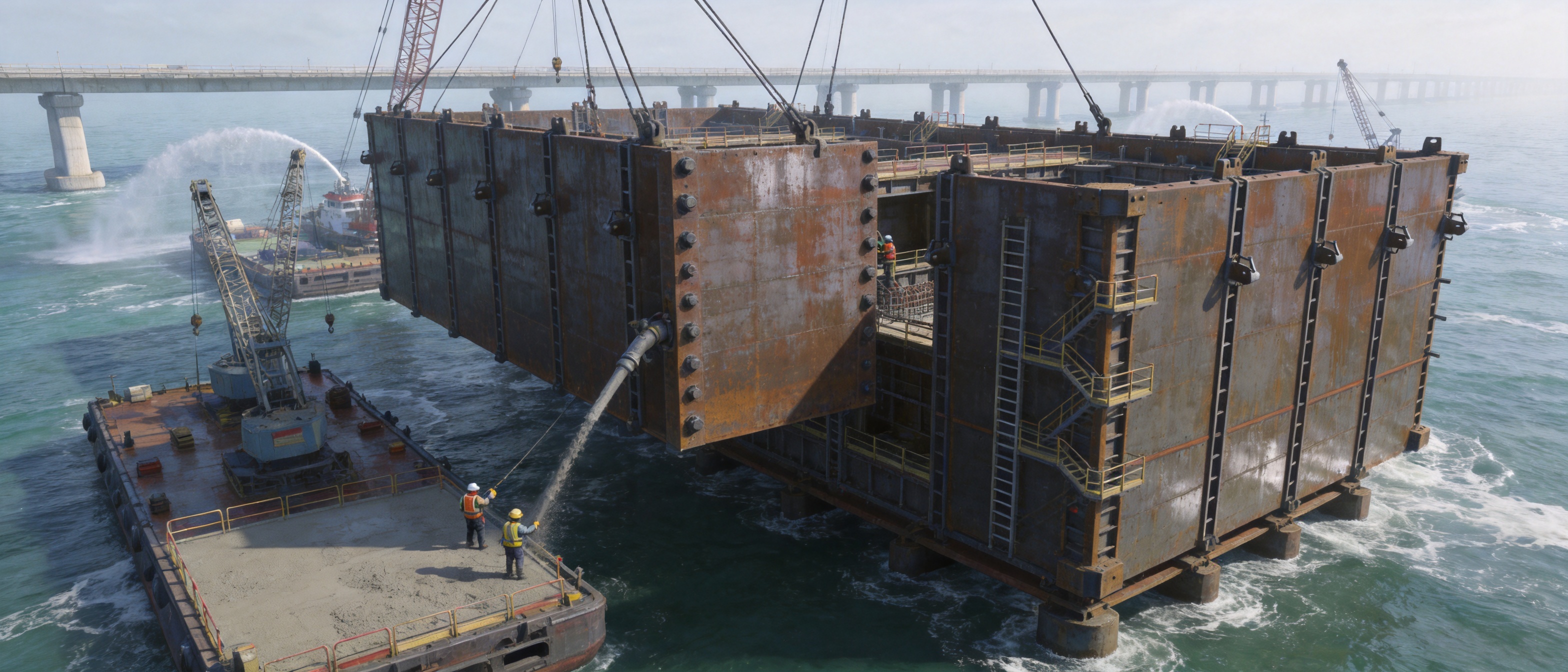
A caisson is a large structural unit used to create foundations, retaining elements, breakwaters, bridge components, harbor structures, and other forms of marine infrastructure. Depending on the project, a caisson may be prefabricated in a dry dock, casting yard, temporary basin, or on a construction platform before being transported and installed. In other cases, concrete may be poured in stages while the structure is positioned in or near water.
Caisson formwork is the temporary or reusable mold system used to shape the concrete caisson. It defines the external dimensions, internal cavities, wall thickness, openings, interfaces, and other geometric features required by the engineering design. The system may include external panels, internal formwork, bulkheads, corner units, access platforms, working platforms, lifting points, support frames, and adjustable connection assemblies.
The formwork must remain stable during reinforcement installation, concrete placement, vibration, curing, stripping, lifting, transportation, and reuse. In marine construction, it may also be subjected to water pressure, wave action, buoyancy-related forces, impact during positioning, and repeated wet-and-dry cycles. The design therefore needs to consider more than the pressure of fresh concrete alone.
A well-designed caisson formwork system provides several important functions:
1. It establishes the precise shape and dimensions of the caisson.
2. It resists the lateral pressure generated by fresh concrete.
3. It controls deformation and maintains alignment during casting.
4. It minimizes cement slurry leakage at panel joints and corners.
5. It supports safe access for reinforcement, inspection, concreting, and stripping.
6. It enables efficient disassembly, transportation, and reuse.
7. It protects the construction process from the effects of water and corrosive marine conditions.
Because every caisson project may have different dimensions, wall arrangements, lifting requirements, and construction sequences, caisson formwork is normally engineered according to project drawings rather than supplied as a single universal product.
Why Marine Projects Require Specialized Formwork
Conventional building formwork is often designed for relatively controlled land-based conditions. Marine construction presents a more complex environment. Seawater contains chlorides and other substances that can accelerate corrosion of unprotected steel. Continuous wetting and drying can create repeated expansion, contraction, and surface deterioration. Salt spray can affect exposed components even when they are not directly submerged.
Hydrostatic pressure is another important consideration. When a formwork assembly is used for underwater concreting or near-water construction, pressure can act on panels, joints, braces, and connections. The pressure may not be uniform, especially where water levels change or where the structure has openings and variable internal geometry.
Concrete placement also creates significant temporary loads. Fresh concrete behaves as a fluid before setting, and its lateral pressure depends on factors such as placement rate, mix characteristics, temperature, vibration, and the height of the pour. If the panels or ties are not sufficiently designed, excessive deflection may cause dimensional errors, joint leakage, or even local failure.
Marine projects frequently operate under strict schedules. Weather windows, tides, vessel availability, and access limitations can affect the construction sequence. Formwork that is difficult to assemble or adjust may cause costly delays. Modular steel formwork offers a practical response because standardized panels and connection systems can reduce preparation time and allow the equipment to be reused in multiple casting stages.
The ability to combine durable materials, accurate fabrication, strong connections, and efficient handling is therefore essential. Caisson formwork should not be treated as a simple set of steel plates. It is an engineered construction system that must work together with reinforcement, concrete, lifting equipment, temporary supports, and the overall marine construction method.
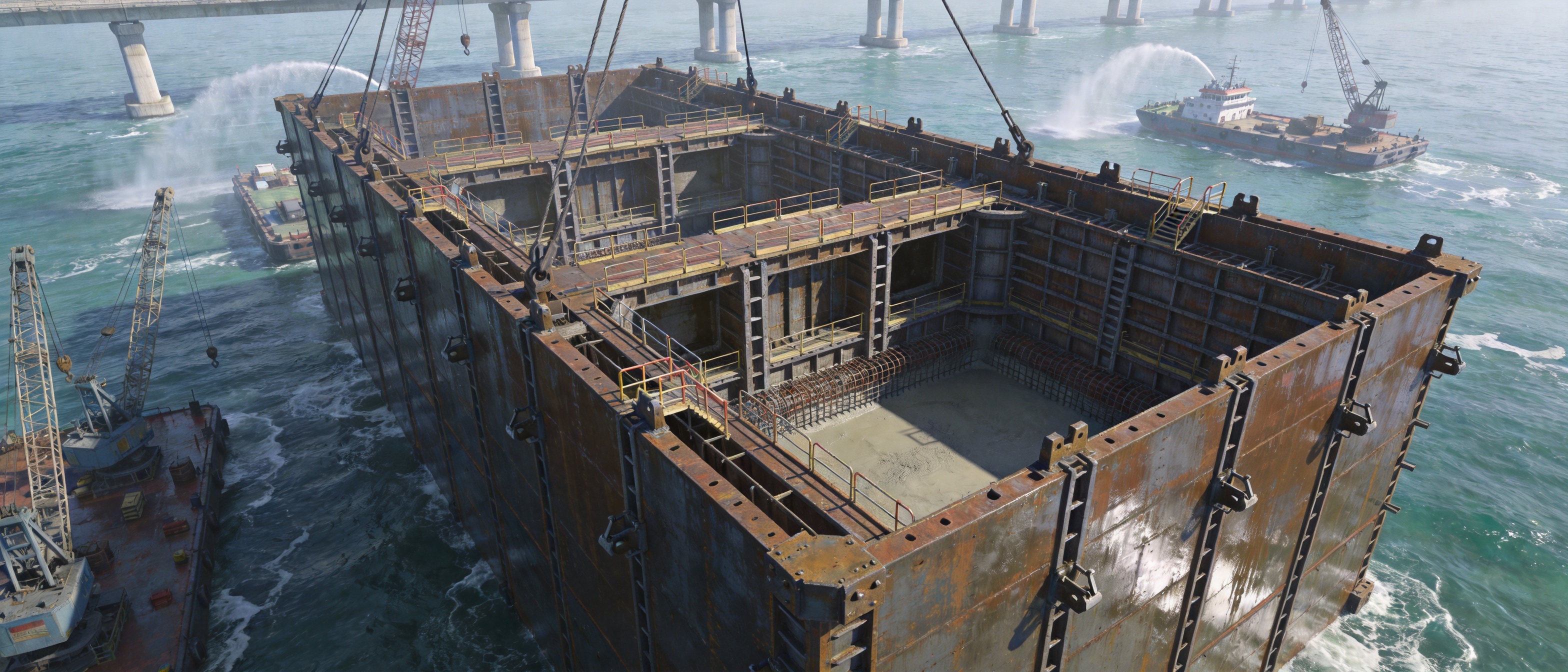
Core Advantages of Caisson Formwork
High Structural Strength
One of the main advantages of steel caisson formwork is its high load-bearing capacity. Properly designed steel panels and stiffening members can resist the pressure of fresh concrete, local impact, handling forces, and temporary construction loads. Compared with lightweight or improvised formwork, a rigid steel system is less likely to suffer from excessive deflection or distortion.
High strength is particularly valuable for large caissons. As the size of the casting unit increases, the pressure acting on the formwork and the consequences of dimensional error also increase. A strong panel system helps maintain straight walls, accurate corners, consistent wall thickness, and correct interfaces between adjacent structural elements.
Resistance to Water Penetration
Water management is central to caisson construction. Formwork joints must be designed and assembled to reduce unwanted water entry and prevent the escape of cement paste. A sealed panel arrangement helps protect the casting area and improves the quality of the concrete surface.
The overall formwork configuration can incorporate close-fitting panel connections, reinforced corner details, sealing arrangements, and carefully controlled tolerances. These features help the system withstand water pressure and reduce leakage during underwater or near-water operations.
Corrosion Resistance in Marine Environments
Steel used in marine construction must be protected against corrosion. Caisson formwork may be exposed to salt spray, seawater immersion, damp storage conditions, and repeated wetting and drying. Appropriate material selection, surface treatment, coating systems, drainage design, and maintenance planning can significantly improve service life.
The materials and protective systems should be selected according to the project environment. Components that remain submerged may require different protection from components exposed to atmospheric salt spray. Areas around bolt holes, welds, edges, lifting points, and drainage paths require particular attention because coating damage or water accumulation can initiate corrosion.
Dimensional Accuracy
Caissons frequently need to connect with other structural units, pile caps, deck systems, retaining walls, bridge substructures, or marine equipment. Small dimensional deviations may create problems during installation or require additional corrective work. Steel formwork manufactured from engineered drawings provides better repeatability than temporary systems assembled without controlled fabrication.
Accurate panel dimensions, correctly positioned stiffeners, properly machined connection points, and controlled welding procedures all contribute to geometric consistency. When a formwork system is reused, repeatable adjustment and assembly further support uniformity among multiple caisson units.
Modular Assembly and Reuse
Modular design allows formwork panels to be transported, assembled, stripped, and reused. This is especially important for projects involving multiple similar caissons. Reusing a well-maintained steel system can reduce material waste and lower the average formwork cost per unit.
Modularity also provides flexibility. Panels can be arranged into different configurations, while additional components can be fabricated for special corners, openings, transition zones, or non-standard dimensions. The ability to adapt the system is a major advantage over fixed, project-specific formwork that cannot be efficiently used elsewhere.
Improved Construction Efficiency
Efficient formwork supports faster reinforcement installation, concrete placement, inspection, and stripping. Clearly defined assembly procedures reduce the need for extensive on-site modification. Lifting points and handling features can be integrated into the design to simplify movement by crane or other suitable equipment.
When the construction team receives fabrication drawings, component identification, assembly guidance, and technical support, the risk of confusion at the worksite is reduced. Faster installation can be especially valuable in tidal areas, where the available working time may be limited.
Suitability for Complex Marine Conditions
Caisson formwork is designed to work in conditions involving salt spray, tides, seawater immersion, and variable water levels. Its reinforced and sealed construction allows it to maintain performance where ordinary formwork may deteriorate rapidly.
The system can be configured for different construction approaches, including land-based prefabrication, temporary casting yards, marine platforms, staged underwater concreting, and controlled lifting operations. This adaptability allows the formwork to support the project method rather than forcing the project to use a fixed formwork arrangement.
Advantages Compared with Conventional or Low-Grade Alternatives
One of the most important differences between engineered caisson formwork and conventional alternatives is the level of structural planning. Low-grade or improvised systems may rely on general-purpose panels, undersized braces, inconsistent connections, or field modifications. Such approaches can create uncertainty in load capacity and geometry.
Engineered steel caisson formwork is developed around the actual dimensions, concrete placement sequence, water conditions, and handling requirements. Its components are designed as a coordinated system. This allows the manufacturer to address load paths, joint locations, access requirements, lifting arrangements, and reuse from the beginning.
Another advantage is durability. Timber, unprotected mild steel, or temporary mixed-material assemblies may absorb water, deform, deteriorate, or require frequent repair. Properly fabricated steel formwork, combined with suitable surface protection, can be used repeatedly and maintained over a longer period.
Steel also provides greater consistency. Panel dimensions can be controlled during cutting, forming, welding, and inspection. This supports more reliable alignment and reduces the amount of on-site correction. In large infrastructure projects, the value of repeatability can be substantial because the same formwork may be used for numerous identical or similar units.
Caisson formwork also compares favorably with systems that are difficult to dismantle. Modular connections and planned lifting points allow components to be separated in a controlled sequence. This helps protect the panels, reduces manual handling, and supports efficient relocation to the next casting position.
The following table summarizes the main performance differences between an engineered steel caisson system and less specialized alternatives.
| Performance Factor |
Engineered Caisson Formwork |
Conventional or Improvised Formwork |
| Structural capacity |
Designed for concrete pressure, handling loads, and marine conditions |
May have limited or uncertain load resistance |
| Water resistance |
Sealed joints and reinforced connections can reduce leakage |
Joint openings and inconsistent sealing may occur |
| Corrosion protection |
Material and coating systems can be selected for the environment |
Protection may be basic, inconsistent, or absent |
| Dimensional control |
Fabricated from engineering drawings with controlled tolerances |
Field adjustment may create dimensional variation |
| Reusability |
Modular panels can be stripped, maintained, and reused |
Components may be damaged during dismantling |
| Project adaptability |
Can be customized for different sizes, openings, and sequences |
Often limited by available standard materials |
| Technical support |
May include design coordination, fabrication documents, and erection guidance |
Usually depends heavily on site-based problem solving |
Engineering Design Considerations
Concrete Pressure
The formwork designer must evaluate the pressure generated by fresh concrete. Relevant factors may include the height and rate of placement, concrete temperature, mix design, admixtures, vibration intensity, and setting characteristics. The design should consider the most demanding realistic construction condition rather than relying only on nominal values.
Panels, ribs, walers, ties, braces, and connection points must transfer the pressure safely to the supporting structure. Local panel buckling, excessive bending, connection slip, and excessive overall movement should be checked as part of the design process.
Hydrostatic and Environmental Loads
For marine or underwater use, the formwork may experience hydrostatic pressure and water movement. Tidal variation can change the pressure conditions during the work. Wave action, current, floating debris, vessel movement, and temporary support conditions may also influence stability.
These factors are project-specific. The final arrangement should be reviewed in relation to the construction location, water depth, exposure period, installation method, and planned sequence. Appropriate temporary bracing or anchoring may be required until the concrete has achieved sufficient strength.
Geometry and Tolerances
The formwork should reflect the approved structural drawings and required construction tolerances. Important geometric features may include outer dimensions, inner voids, wall thickness, chamfers, recesses, lifting openings, embedded item locations, and connection interfaces.
For complex shapes, three-dimensional modeling can help identify conflicts between formwork, reinforcement, access routes, lifting equipment, and embedded components before fabrication begins. Early coordination reduces the risk of expensive changes during assembly.
Stripping and Handling
Formwork must be designed not only for casting but also for removal. If panels cannot be released without excessive force, the concrete edges may be damaged and the panels may be distorted. Proper release planning, lifting points, access for tools, and a defined stripping sequence are therefore important.
Large steel panels require safe handling. The design should identify suitable lifting lugs or handling points and establish the expected lifting orientation. Site personnel must follow the approved lifting plan and use equipment with adequate capacity.
Access and Safety
Caisson construction involves work around reinforcement, wet concrete, water, lifting equipment, and elevated or restricted areas. Formwork systems may incorporate working platforms, ladders, guardrail supports, inspection access, and other safety-related features where required by the project.
Safety accessories should be coordinated with the site safety plan. The formwork itself does not replace the need for proper risk assessment, fall protection, lifting supervision, electrical safety, marine access controls, and emergency procedures.
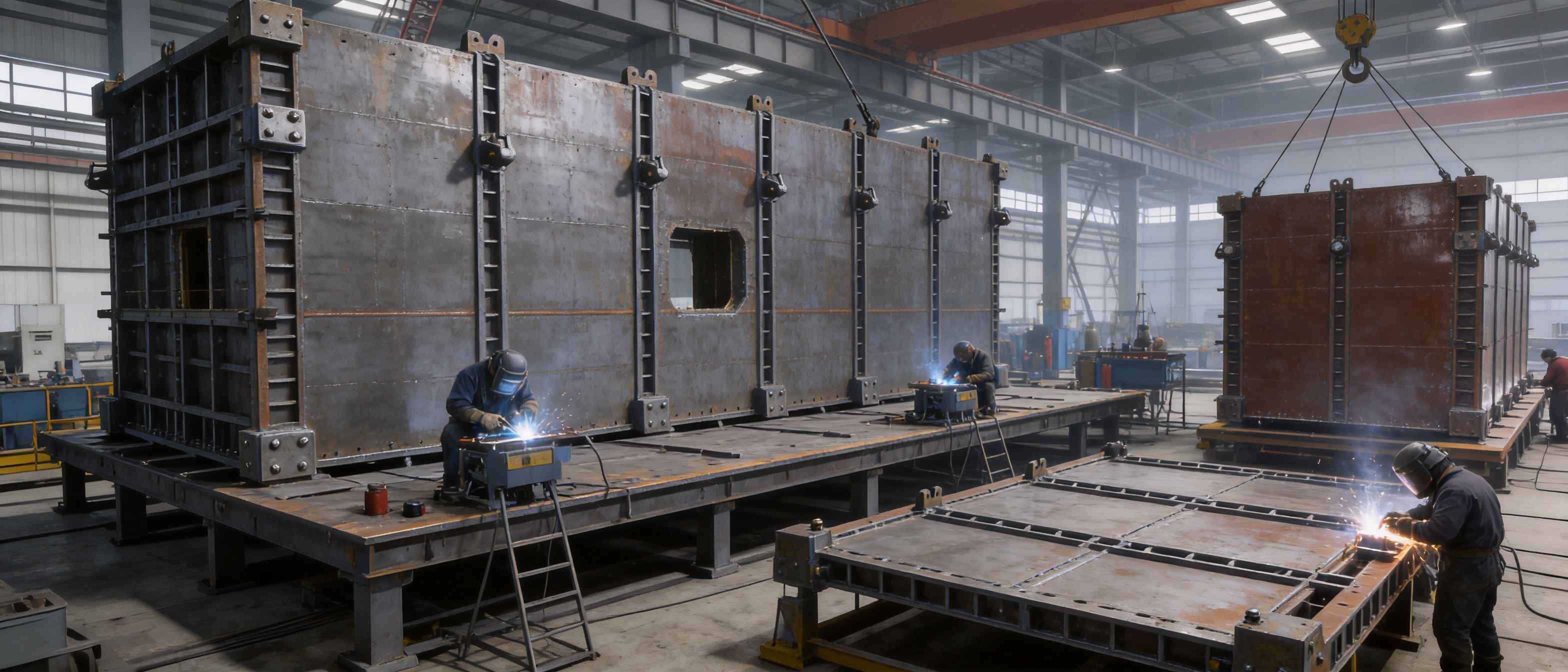
Materials and Protective Treatment
Steel is widely used for caisson formwork because it provides a favorable combination of strength, durability, weldability, and reuse potential. The selected steel grade and component thickness should correspond to the structural design, fabrication method, environmental exposure, and expected service life.
Panel faces should be sufficiently smooth and stable to produce the required concrete finish. Stiffening components are arranged behind the face plate to control deflection. Additional reinforcement may be required around openings, corners, lifting points, or areas subject to concentrated loads.
Surface preparation is a critical step in corrosion protection. Before coating, steel surfaces should be cleaned to remove rust, mill scale, oil, moisture, welding residue, and other contaminants. The selected coating system should be compatible with the anticipated exposure and the project’s maintenance plan.
Coating quality depends on surface preparation, environmental conditions, application method, coating thickness, curing time, and inspection. Edges, welds, bolt holes, and corners often require special attention because they are more difficult to coat uniformly.
In addition to coatings, practical design features can improve durability. These may include avoiding unnecessary water traps, providing drainage paths, sealing vulnerable interfaces, using compatible fasteners, and protecting damaged surfaces during transport and assembly.
Manufacturing Process
1. Technical Review and Project Coordination
The manufacturing process begins with a technical review of the project requirements. The manufacturer studies structural drawings, caisson dimensions, concrete grades, construction stages, water conditions, lifting arrangements, reuse expectations, and site limitations.
At this stage, the formwork supplier can identify potential conflicts or risks. Examples include insufficient access for reinforcement, interference between stiffeners and embedded items, difficult stripping directions, inadequate crane clearance, or connection locations that cannot be reached safely during assembly.
Early coordination is one of the strengths of an experienced formwork manufacturer. It moves problem solving from the construction site to the design and fabrication stage, where changes are generally easier and less expensive to implement.
2. Engineering Design and Detailing
After the requirements are confirmed, the formwork system is developed into detailed fabrication drawings. These drawings define panel dimensions, steel thicknesses, stiffener arrangements, connection details, support frames, access components, lifting points, and identification marks.
Structural checks are carried out for relevant load cases. Depending on the project, these may include fresh concrete pressure, water pressure, lifting forces, transport loads, wind, temporary bracing conditions, and repeated-use effects. The design objective is to provide sufficient strength and stiffness while avoiding unnecessary weight that would complicate handling.
Detailed modeling can also support material optimization. Standardized panel widths, interchangeable components, and rationalized connection details may reduce fabrication time and simplify site assembly without compromising project requirements.
3. Material Procurement and Incoming Inspection
Materials are selected according to the approved design and the required environmental performance. Incoming materials should be checked for dimensions, surface condition, identification, and relevant documentation before entering production.
Proper material control helps ensure that the steel used for the panels and structural members matches the design requirements. It also supports traceability, particularly for projects with formal quality documentation or third-party inspection requirements.
4. Cutting and Forming
Steel plates and sections are cut according to the fabrication drawings. Controlled cutting improves dimensional accuracy and reduces excessive rework. Where panels require formed edges, bends, chamfers, or special profiles, the forming process must be carefully controlled to prevent distortion.
Edges may require preparation for welding or connection assembly. Openings for bolts, lifting points, access components, or embedded items are positioned according to the approved drawings. Accurate cutting and forming are important because errors at this stage can affect the alignment of the entire formwork assembly.
5. Assembly and Welding
Panel components are assembled on suitable jigs, tables, or fixtures. These tools help maintain flatness, squareness, and alignment during welding. Stiffeners, ribs, walers, connection plates, brackets, and lifting components are installed in the specified locations.
Welding procedures should be selected according to the steel materials, joint types, thicknesses, and applicable quality requirements. Welders should be appropriately qualified for the work, and welding parameters should be controlled to limit distortion and achieve consistent joint quality.
Welding sequence is also important. Uneven heat input can cause panel warping, which may affect concrete surface quality and assembly accuracy. Planned tack welding, balanced weld sequences, suitable fixtures, and correction procedures help maintain the designed geometry.
6. Dimensional Inspection
Completed components are inspected for length, width, flatness, squareness, hole positions, connection alignment, and other critical dimensions. Inspection may use measuring tools, templates, gauges, and project-specific checking procedures.
Dimensional inspection is especially important for modular systems. If one panel does not match the neighboring component, the error may become more significant when multiple units are assembled. Early identification allows correction before surface treatment, packing, and shipment.
7. Weld and Surface Quality Inspection
Welds are visually inspected for surface defects, incomplete welding, undercut, excessive spatter, cracks, and other unacceptable conditions. Where required by the project, additional nondestructive testing may be applied to selected welds or critical areas.
After welding and inspection, surfaces are cleaned and prepared for protective treatment. Sharp edges, weld spatter, temporary attachments, and contaminants are removed or treated before coating. The objective is to create a durable and uniform protective surface.
8. Coating and Corrosion Protection
The coating system is applied according to the selected specification. Environmental conditions such as temperature, humidity, and surface cleanliness should be controlled during application. Coating thickness and visual condition are checked after the required curing stages.
Areas that may be damaged during transport or assembly should be identified for site touch-up. The manufacturer can provide recommendations for repair materials and procedures so that exposed steel is not left unprotected after installation.
9. Trial Assembly
For complex or high-value projects, a trial assembly may be completed before shipment. This allows the manufacturer to verify panel fit, connection alignment, access arrangements, lifting points, and the overall erection sequence.
Trial assembly is particularly useful when the formwork includes non-standard geometry or numerous modular components. It can reduce uncertainty at the jobsite and provide an opportunity to mark components clearly for faster installation.
10. Packing, Transport, and Site Support
Panels and accessories are packed to limit impact, abrasion, deformation, and coating damage during transport. Components should be organized according to the planned assembly sequence where practical. Clear identification supports efficient unloading and inventory control.
Technical support may include assembly drawings, component lists, installation guidance, inspection checklists, and communication with the site team. For projects requiring on-site assistance, erection support can help contractors assemble the system correctly and safely.
Manufacturing Strengths of an Experienced Supplier
The effectiveness of caisson formwork depends not only on the steel itself but also on the supplier’s ability to integrate engineering, fabrication, quality management, logistics, and field service. A supplier with experience in bridge and infrastructure products is better positioned to understand the practical relationship between formwork and the wider construction system.
Zhenjiang Jinhao Road & Bridge Supporting Engineering Co., Ltd. was established in 2017 and operates from an industrial location in Zhenjiang, Jiangsu Province, China. The company has developed from a business focused on construction and industrial materials into a comprehensive enterprise engaged in the design, manufacture, erection, and leasing of bridge and formwork products.
Its product range includes Bailey steel bridges, Type 321 Bailey truss sections, HD200 and Type 200 Bailey truss sections, bridge launching gantry systems, hanging baskets, pier formwork, bridge steel formwork, and related engineered steel structures. This wider product background is valuable because caisson formwork often needs to be coordinated with temporary bridges, lifting systems, access structures, support frames, and other steel construction equipment.
The company’s manufacturing strength includes the ability to provide customized fabrication based on project drawings and technical requirements. Customization may involve panel dimensions, internal and external configurations, connection details, lifting arrangements, support structures, working platforms, and corrosion protection requirements.
Another strength is the combination of product supply and engineering support. Contractors may require more than delivered panels. They may also need assistance with system planning, assembly sequences, reuse strategies, technical coordination, and site erection. Providing these services through one coordinated supplier can reduce communication gaps and improve project control.
Experience with Bailey bridges and other temporary steel systems also supports a practical understanding of modular fabrication. These products depend on standardized components, interchangeability, strong connections, accurate manufacturing, and efficient transport. The same principles are highly relevant to reusable caisson formwork.
Applications of Caisson Formwork
Port and Harbor Construction
Caissons are widely used in port and harbor projects. They may form quay walls, breakwaters, dock structures, foundation units, or other marine elements. Formwork must support large-volume concrete production and withstand exposure to seawater and tidal conditions.
In port construction, repeatability is often important because multiple caissons may share similar dimensions. A modular system can reduce preparation time between units and make it easier to maintain consistent geometry throughout the project.
Cross-Sea Bridges
Cross-sea bridge projects require foundations and substructures capable of resisting wave action, current, wind, vessel-related effects, and long-term marine exposure. Caisson components may be used in foundation construction, temporary marine works, or other structural applications.
Formwork for these projects may need to coordinate with steel access platforms, temporary supports, lifting equipment, reinforcement cages, and concrete delivery systems. Accurate design and fabrication help ensure that the caisson interfaces correctly with the surrounding bridge structure.
Offshore Engineering
Offshore engineering projects place strong demands on materials and construction systems. Equipment may be exposed to saltwater, high humidity, wind, wave action, and difficult access. Formwork must be designed for safe handling and reliable operation within the planned offshore construction method.
Modular steel formwork can be prepared on land, transported to a marine site, and assembled or reused according to the project sequence. This can reduce the amount of fabrication required in a remote or difficult working environment.
Caisson Prefabrication
Prefabrication allows caissons to be cast under controlled conditions before transport and installation. The formwork can be assembled in a casting yard, used for multiple production cycles, stripped after curing, and prepared for the next unit.
This method may improve quality control by concentrating reinforcement placement, concrete production, inspection, and curing in an organized area. The formwork must support repeated cycles without losing dimensional accuracy or protective surface performance.
Underwater Concreting
Underwater concreting requires careful control of water movement, concrete flow, segregation, and formwork stability. The formwork must maintain its position and shape while concrete is placed under specialized procedures.
Because underwater conditions can limit visibility and access, accurate pre-assembly and reliable sealing are especially important. A formwork system that reduces uncertainty before immersion can contribute to better construction control.
Installation and Use Guidelines
Before installation, the site team should verify the foundation or supporting surface, access route, crane capacity, lifting plan, component inventory, and weather or tide conditions. The approved drawings and method statement should be available to the supervisors and workers involved in the assembly.
Components should be checked for transport damage, missing hardware, coating damage, deformation, and contamination. Damaged parts should not be installed without evaluation. Any distortion that affects alignment or connection fit should be corrected or replaced before loading the system.
Assembly should follow the planned sequence. Panels should be positioned on stable supports, connected with the specified bolts or welding details, and checked for alignment before the next section is installed. Temporary bracing should remain in place until the permanent or designated support system is complete.
Joints, corners, seals, and openings require careful inspection. Gaps may allow cement paste leakage or water entry. Connection bolts should be installed and tightened according to the approved procedure. Field welding, drilling, or cutting should not be carried out without technical approval because such changes may affect structural capacity and corrosion protection.
Before concrete placement, the formwork should be checked for plumbness, level, dimensions, cleanliness, release treatment, reinforcement clearance, embedded items, access safety, and support stability. The inspection should be documented when required by the project quality plan.
Concrete should be placed at a controlled rate consistent with the formwork design. Excessively rapid placement or uncontrolled vibration may generate higher pressure than anticipated. The formwork should be monitored during concreting for movement, leakage, unusual noise, connection distress, or other signs of abnormal behavior.
Stripping should begin only after the concrete has achieved the required condition and the responsible engineer or supervisor has authorized removal. The planned sequence should prevent sudden release of load or unintended movement. Lifting equipment must be connected only to approved lifting points.
After stripping, the panels should be cleaned without damaging the face or coating. Concrete residue should be removed, connections inspected, and any damaged coating repaired. Components should be stored off the ground where possible, with drainage and ventilation sufficient to limit standing water and corrosion.
Quality Management and Service Life
Quality management for caisson formwork should cover the entire product lifecycle, from design review to fabrication, delivery, assembly, use, maintenance, and storage. A strong quality system does not depend on final inspection alone. It establishes controls at each stage where errors could be introduced.
Design quality includes clear drawings, load assumptions, connection details, material specifications, and revision control. Fabrication quality includes material verification, cutting accuracy, welding control, dimensional inspection, and surface preparation. Delivery quality includes packing, identification, documentation, and protection against transport damage.
At the site, quality depends on correct assembly, appropriate support, controlled concrete placement, and timely maintenance. Even a well-manufactured formwork system may perform poorly if it is installed incorrectly, overloaded, modified without approval, or stored in standing water.
Maintenance requirements vary according to the exposure conditions and frequency of reuse. After each cycle, the system should be inspected for bent panels, cracked welds, damaged lifting points, loose connection components, worn seals, and coating deterioration. Marine projects may require more frequent attention than land-based applications.
Keeping records of inspections and repairs helps the owner or contractor understand the condition of the equipment. It also supports planning for refurbishment before the next construction stage. Proper maintenance can extend the usable life of the formwork and preserve the economic benefits of reuse.
Economic and Environmental Benefits
Although engineered steel formwork may require a higher initial investment than improvised materials, its total project value should be evaluated over multiple uses. Reusable panels can reduce the need to purchase new materials for every casting unit. Faster assembly and stripping may also reduce labor and equipment downtime.
Reduced rework is another economic benefit. Accurate formwork can help prevent dimensional defects, honeycombing caused by excessive leakage, damaged corners, and misaligned interfaces. Avoiding these problems can reduce repair costs and protect the construction schedule.
Steel formwork can also support more responsible material use. Because panels are reusable and recyclable, less disposable timber or mixed temporary material may be consumed over the project lifecycle. Long service life further reduces the frequency of replacement and the associated manufacturing and transport requirements.
Environmental performance still depends on responsible production, coating management, transport planning, and end-of-life handling. Damaged coatings and cleaning residues should be managed according to applicable environmental procedures. Recyclable steel components should be separated and recovered when the system is no longer suitable for use.
Choosing the Right Caisson Formwork Supplier
Project owners and contractors should evaluate more than the purchase price when selecting a caisson formwork supplier. Important criteria include engineering capacity, manufacturing experience, quality control, material traceability, corrosion protection, customization ability, delivery organization, and technical support.
The supplier should be able to understand the project construction method. Questions should address how the caisson will be cast, where the formwork will be assembled, how it will be lifted, what water conditions it will encounter, how many reuse cycles are expected, and how it will be maintained.
Clear documentation is also important. The supplier should provide appropriate drawings, component schedules, assembly instructions, inspection information, and, where necessary, calculations or technical explanations. Good documentation helps the site team work consistently and supports communication among the contractor, designer, inspector, and manufacturer.
For international projects, communication and logistics are additional considerations. The supplier should be able to coordinate export packing, shipment requirements, technical inquiries, and replacement or supplementary components when necessary.
Zhenjiang Jinhao Road & Bridge Supporting Engineering Co., Ltd. serves customers involved in infrastructure and steel construction projects worldwide. Its product and service capabilities cover customized fabrication, design and system planning, erection support, technical assistance, and quality management. This combination allows customers to obtain a more complete solution rather than purchasing isolated steel components.
Frequently Asked Questions
What is the main purpose of caisson formwork?
The main purpose is to shape and support concrete during the construction of a caisson. It establishes the required geometry while resisting fresh concrete pressure, water pressure, handling forces, and other temporary construction loads.
Can caisson formwork be used underwater?
It can be designed for underwater or near-water construction, including underwater concreting, provided that the formwork configuration, sealing, support, lifting, and construction sequence are suitable for the specific project conditions. Water depth, current, tides, concrete method, and temporary stability must be evaluated by the project team.
Is caisson formwork suitable for seawater environments?
Yes. The system is intended for demanding marine environments when appropriate materials and corrosion protection are selected. Salt spray, tidal exposure, and seawater immersion should be considered during design, fabrication, coating selection, storage, and maintenance.
Can the formwork be reused?
Yes. Modular steel caisson formwork is generally intended for repeated use. The number of reuse cycles depends on the design, handling method, concrete release procedure, environmental exposure, inspection results, and maintenance quality.
Can the formwork be customized?
Yes. Caissons vary considerably in dimensions, wall thickness, internal spaces, openings, corners, lifting arrangements, and casting sequences. A manufacturer can customize the panels, supports, connections, access features, and other elements according to approved project drawings.
What information is needed for a quotation?
Typical information includes caisson drawings, overall dimensions, wall and slab arrangements, concrete placement sequence, casting location, water conditions, expected number of units, reuse requirements, lifting method, coating requirements, delivery location, and desired technical services.
How does steel formwork compare with timber formwork?
Steel formwork generally offers greater strength, dimensional stability, durability, and reuse potential. Timber may be useful for simple or limited-duration applications, but it can be more vulnerable to moisture, deformation, and damage in marine conditions. The best choice depends on the project size, exposure, geometry, budget, and reuse plan.
How can leakage at formwork joints be reduced?
Leakage can be reduced through accurate fabrication, properly fitted connections, suitable seals or joint treatments, reinforced corners, correct bolt installation, and careful pre-pour inspection. The final method should be selected according to the concrete and water conditions.
Does the manufacturer provide installation assistance?
Technical assistance may include fabrication drawings, component identification, assembly guidance, system planning, and erection support. The exact service scope should be confirmed during project coordination.
How should the formwork be maintained after use?
Panels should be cleaned, inspected, dried where possible, and stored on stable supports. Damaged coatings, distorted components, worn seals, loose hardware, and defective welds should be repaired or replaced before reuse. Storage should minimize standing water and unnecessary exposure to corrosive conditions.
Conclusion
Caisson formwork is a critical construction system for marine and underwater concrete structures. Its performance influences the geometry, quality, safety, and efficiency of caisson construction. High-strength steel panels, reinforced connections, sealed joints, corrosion-resistant treatment, modular assembly, and accurate fabrication provide significant advantages over conventional or improvised alternatives.
The most effective solution is not simply the thickest or heaviest formwork. It is a system designed around the project’s concrete pressure, water conditions, lifting method, construction sequence, reuse requirements, and safety needs. Engineering coordination before fabrication helps eliminate conflicts and creates a practical arrangement for the worksite.
Advanced manufacturing processes further improve reliability. Controlled material procurement, accurate cutting, fixture-based assembly, qualified welding, dimensional inspection, surface preparation, protective coating, trial assembly, and organized packing all contribute to consistent product quality.
With experience in Bailey bridges, launching gantries, hanging baskets, pier formwork, bridge steel formwork, and related steel structures, Zhenjiang Jinhao Road & Bridge Supporting Engineering Co., Ltd. can support customers seeking customized and integrated solutions. Its capabilities in design, manufacturing, erection, leasing, technical support, and quality management make it suitable for contractors and infrastructure organizations working on ports, cross-sea bridges, offshore projects, and other demanding construction applications.
When properly designed, manufactured, installed, and maintained, caisson formwork provides a durable and economical foundation for reliable marine concrete construction.
References
1. American Concrete Institute. Guide to Formwork for Concrete Construction.
2. American Concrete Institute. Specifications for Structural Concrete and Related Construction Practices.
3. European Committee for Standardization. Execution of Concrete Structures.
4. International Organization for Standardization. Quality Management Systems: Requirements.
5. International Organization for Standardization. Corrosion Protection of Steel Structures by Protective Paint Systems.
6. International Federation for Structural Concrete. Recommendations for Concrete Construction and Structural Durability.
7. Standard engineering practice for temporary works, marine concrete construction, lifting operations, and steel fabrication quality control.
8. Project-specific structural drawings, marine construction specifications, approved method statements, and inspection and test plans.


 Français
 Español
 عربى