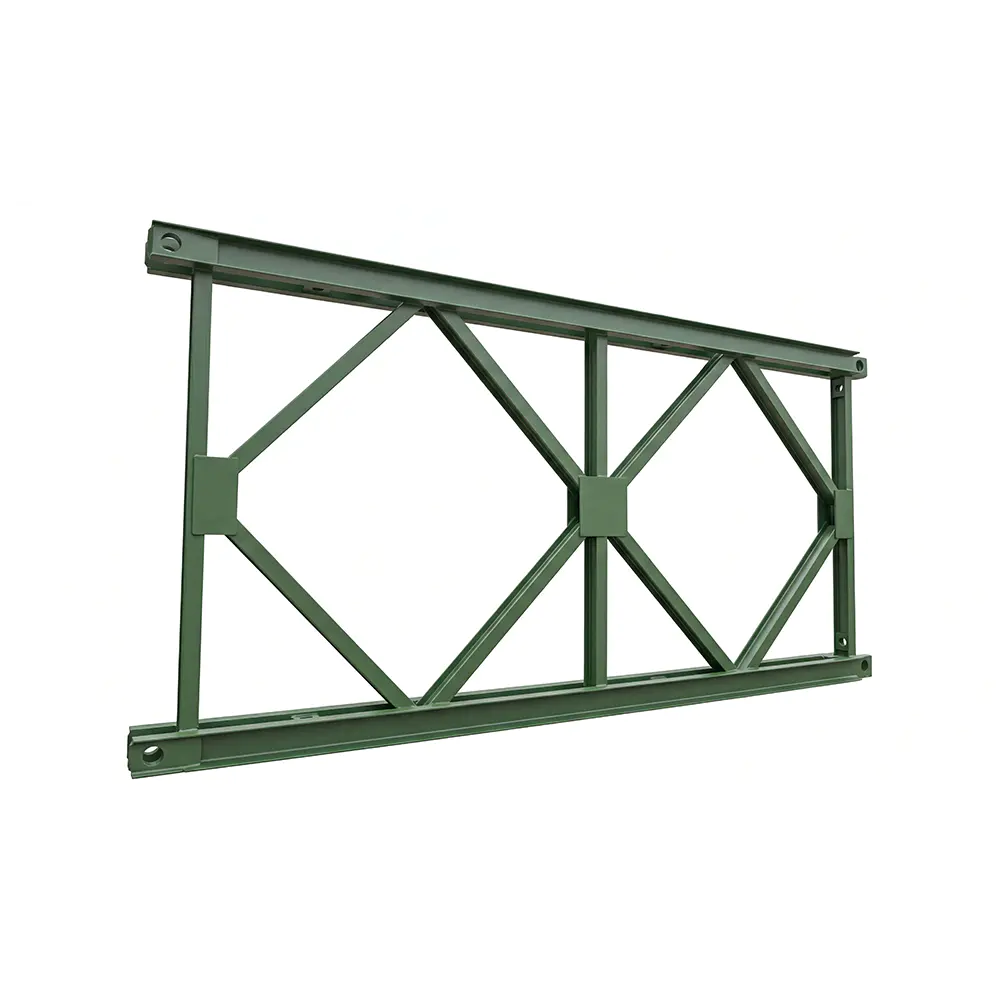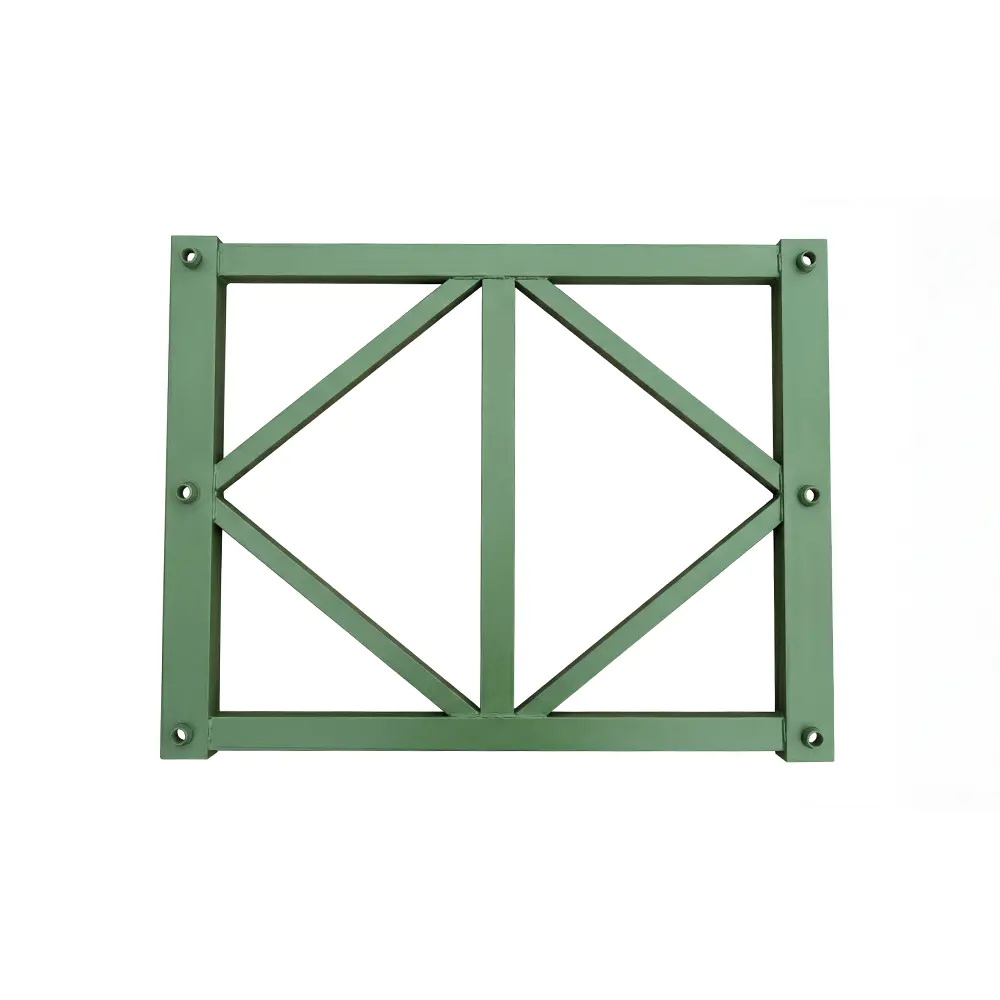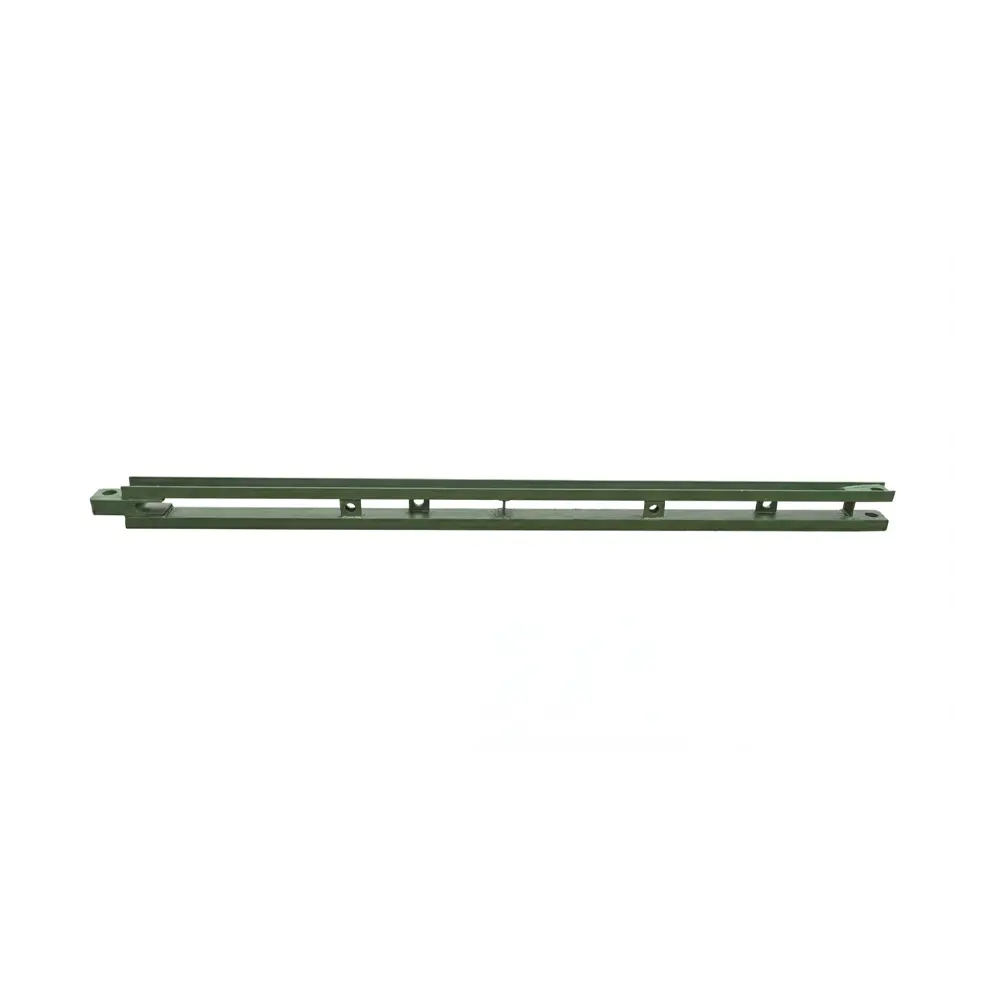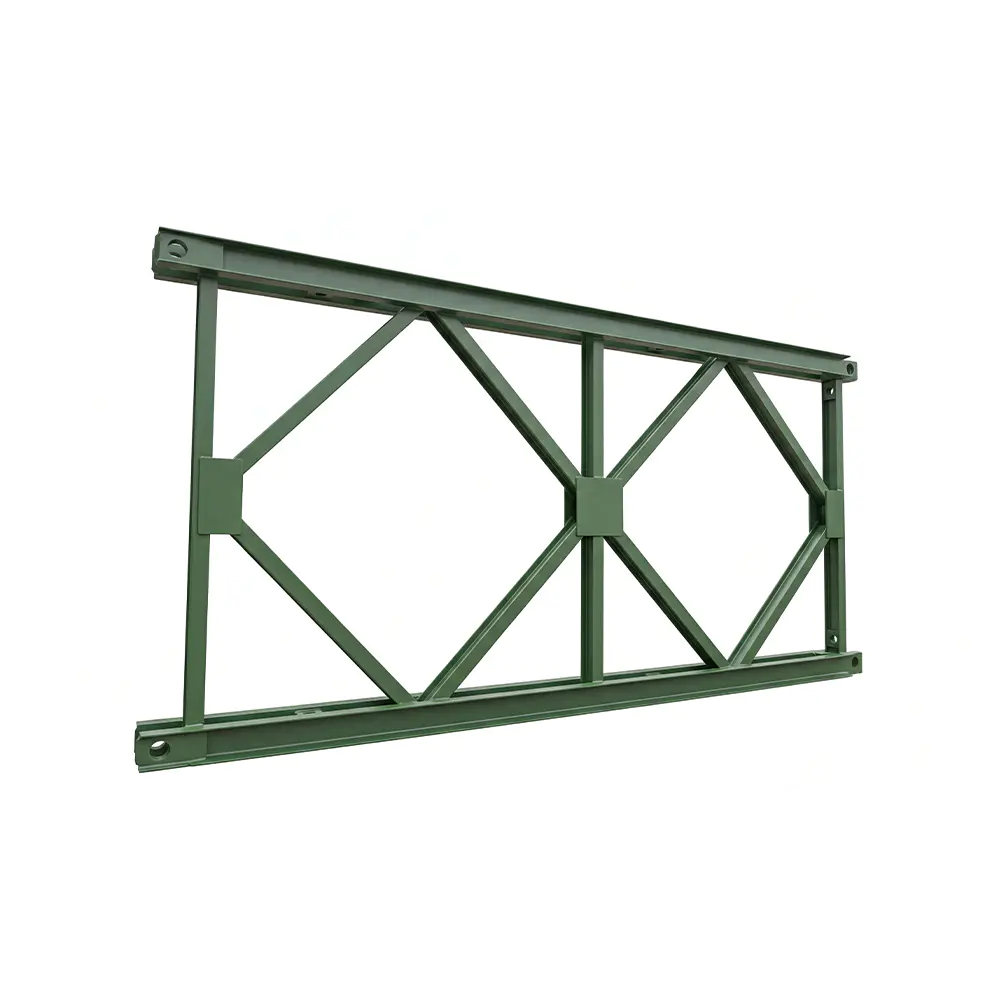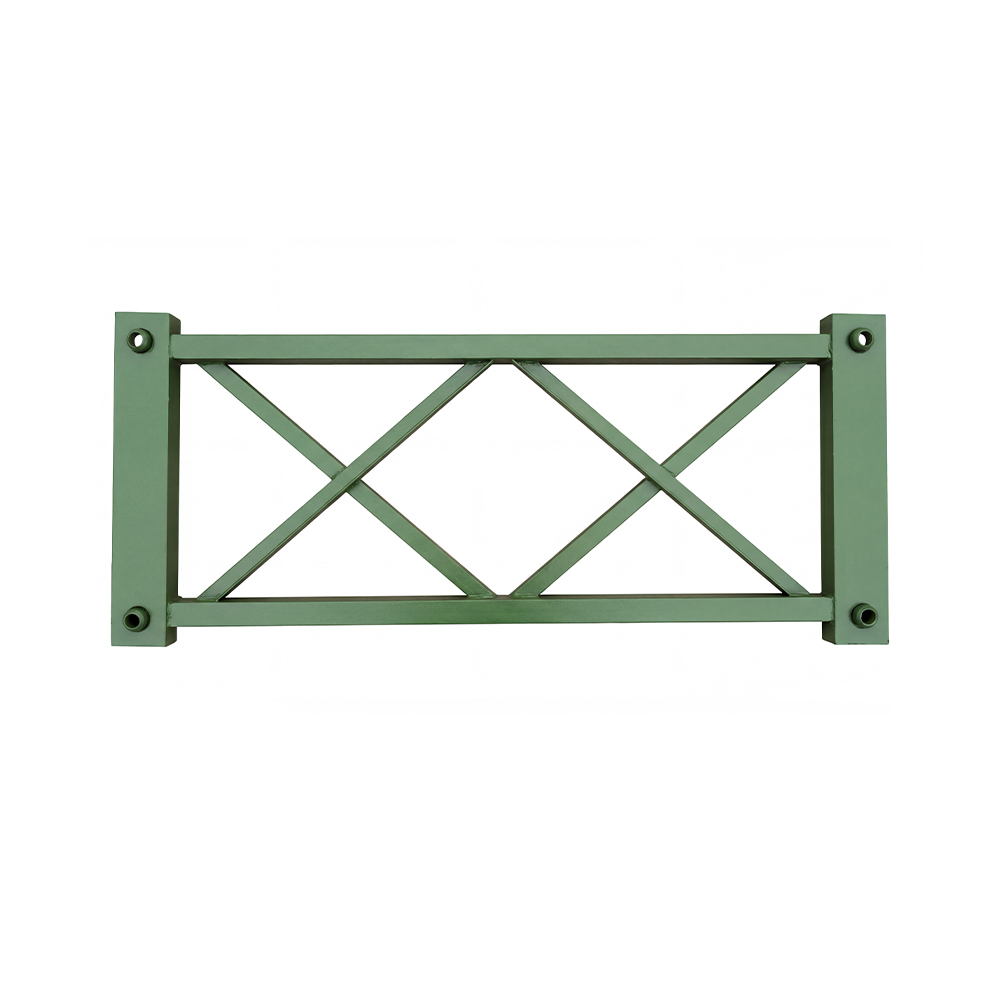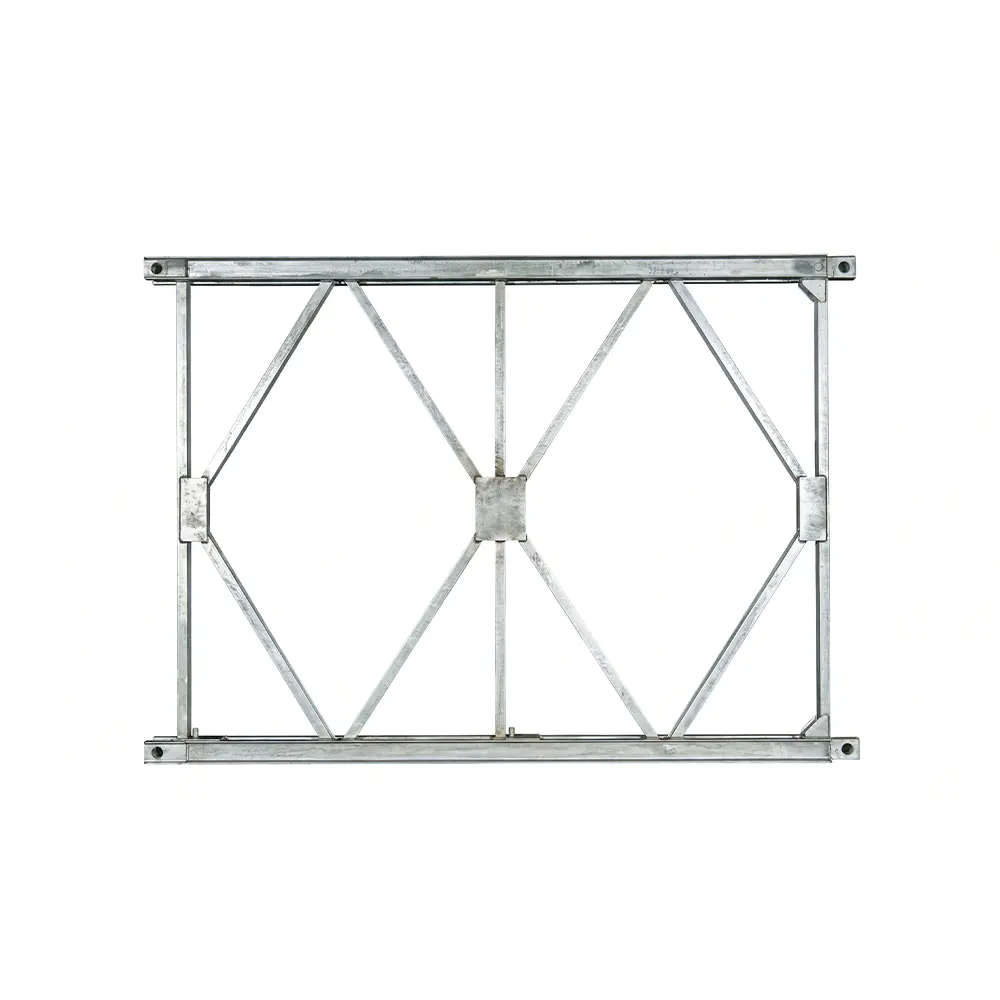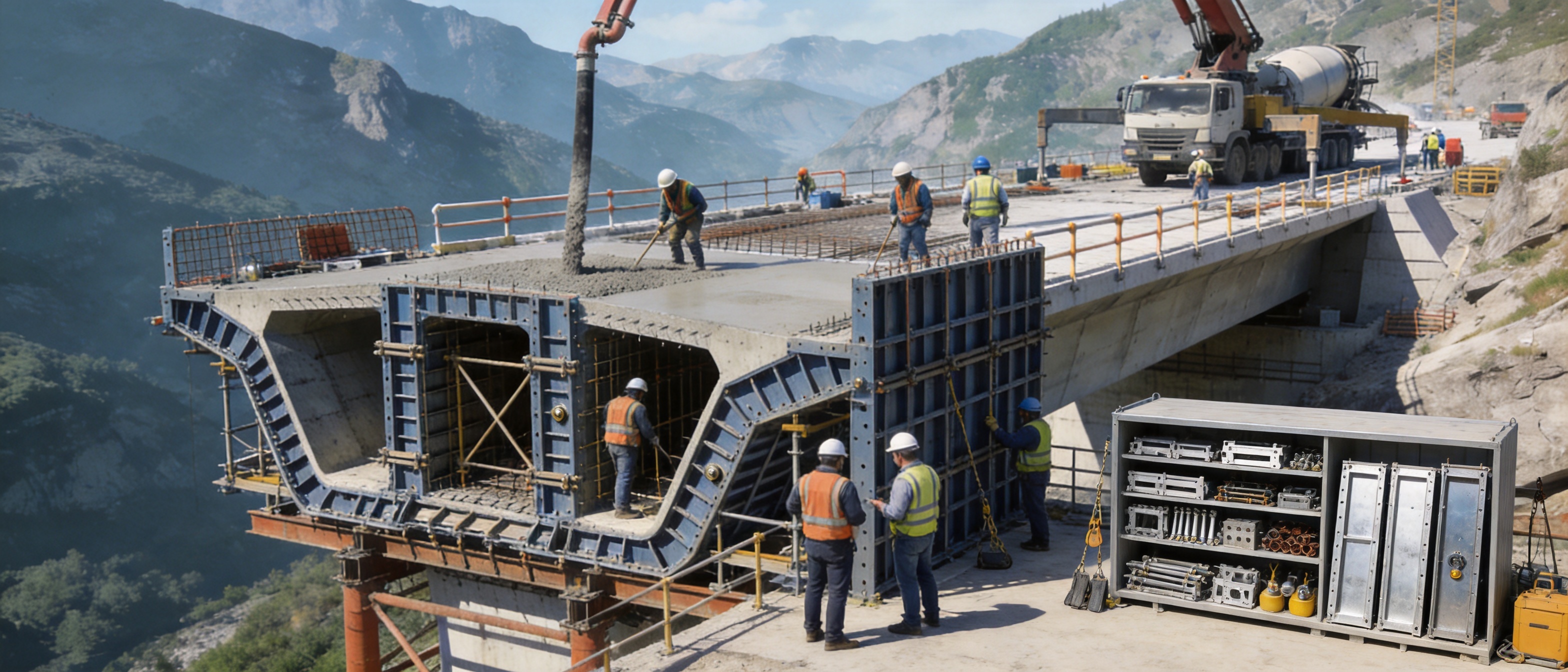
Cast-in-place bridge formwork is an essential engineering system for constructing concrete bridge components directly at the project site. Unlike fully prefabricated bridge elements, cast-in-place systems allow contractors to form, support, reinforce, and pour concrete according to the actual geometry and conditions of the structure. This capability is particularly valuable when a bridge contains irregular beams, nonstandard cross-sections, variable elevations, unusual pier arrangements, or locations where transporting large prefabricated components is difficult or impractical.
Modern bridge construction requires more than a basic mold for concrete. A professional formwork system must provide accurate dimensional control, reliable support, efficient assembly, safe working conditions, and sufficient adaptability for changing site conditions. It must also be compatible with different concrete grades, reinforcement arrangements, construction sequences, and temporary load requirements. For these reasons, cast-in-place bridge formwork remains an important solution for contractors, infrastructure developers, municipal authorities, and engineering companies worldwide.
Designed and manufactured by specialized bridge engineering companies, steel formwork systems can be adapted to a wide range of bridge applications. These include cast-in-place bridge sections, irregularly shaped beams, pier structures, deck components, temporary support structures, and other reinforced-concrete elements that cannot be efficiently produced through standardized prefabrication. A well-engineered system combines structural steel fabrication, mechanical processing, technical planning, site support, and project-specific customization.
Understanding Cast-In-Place Bridge Formwork
Cast-in-place bridge formwork is a temporary or reusable structural assembly used to contain and shape fresh concrete until the concrete reaches the required strength. The system generally consists of form panels, stiffening ribs, support frames, adjustable connections, working platforms, bracing members, and other accessories needed for positioning and construction safety.
The formwork is installed at the bridge site in accordance with the approved construction drawings and method statement. Reinforcement is then placed inside the formed area, embedded items are positioned, and concrete is poured into the mold. During the curing period, the formwork and its supporting system resist the pressure of fresh concrete, construction loads, vibration, wind, and other temporary forces. After the concrete gains sufficient strength, the formwork is released, dismantled, and either moved to another section or prepared for storage and reuse.
The system can be designed for horizontal, vertical, inclined, curved, or irregular concrete surfaces. It may be supported from the ground, from temporary towers, from bridge piers, from existing structural members, or from a specially designed steel support system. The final arrangement depends on span length, geometry, foundation conditions, construction access, elevation, concrete volume, and the sequence selected by the contractor.
Compared with simple timber molds or improvised site-built formwork, engineered steel formwork provides greater dimensional stability and more predictable structural performance. Steel panels can be fabricated with controlled tolerances, reinforced at critical locations, and equipped with adjustable connections. This improves the repeatability of bridge construction and reduces the likelihood of deformation, leakage, or surface defects.
Why Cast-In-Place Construction Remains Important
Prefabricated bridge components offer important advantages when transportation, lifting, and standardized geometry are available. However, not every project can use a fully prefabricated approach. Urban construction sites may have restricted access. Mountainous regions may lack suitable transport routes. Existing utilities, rivers, railways, buildings, and traffic corridors can make the movement of large components difficult. In other cases, the bridge geometry itself may be too complex for economical prefabrication.
Cast-in-place construction solves many of these limitations by moving more of the fabrication process to the final construction location. Concrete can be placed after the formwork has been adjusted to the actual site conditions. This is especially useful where bridge sections have changing dimensions, nonrepetitive shapes, special connections, or complex interfaces with piers and abutments.
Cast-in-place formwork is also useful when a project requires phased construction. A contractor may complete one section, relocate the formwork, and continue with the next section. With appropriate planning, the same steel components can be reused several times, reducing the need for separate molds for every structural segment. This can lower material consumption and simplify site logistics.
Another important benefit is the ability to coordinate construction with local conditions. If geological conditions, access routes, working platforms, or temporary support locations change during a project, an adjustable system can often be modified more easily than a completely fixed prefabricated arrangement. This flexibility helps contractors respond to actual field conditions without redesigning the entire bridge structure.
Core Advantages of Engineered Steel Formwork
Adaptability to Irregular Structures
The most significant advantage of cast-in-place bridge formwork is its ability to accommodate irregular structures. Standardized formwork is efficient for repetitive bridge components with identical dimensions, but bridge projects often include areas where standard modules are unsuitable. These areas may involve variable beam depths, skewed supports, curved edges, tapered members, nonuniform deck widths, or transitions between different structural elements.
Steel formwork can be customized to match these requirements. Panels can be fabricated in different sizes and configurations, while support frames can be arranged according to the anticipated load path. Adjustable connections permit fine positioning during installation. Where necessary, special steel components can be manufactured for corners, transitions, openings, curved surfaces, or areas with concentrated loads.
This adaptability reduces the need for excessive on-site cutting and welding. It also improves the consistency of the finished concrete surface because the form face is produced according to the required shape before delivery or installation. For contractors, this means better control over geometry, fewer corrections after pouring, and a more organized construction process.
Stable and Reliable Supporting Performance
Fresh concrete exerts significant lateral pressure on form panels, particularly when the pour is deep, the concrete is highly fluid, or placement proceeds rapidly. The supporting system must transfer these forces safely to the ground, piers, temporary towers, or other designated load-bearing points. It must also resist construction vibration, impact from material handling, wind, and the weight of workers and equipment.
Engineered formwork systems use designed stiffeners, bracing members, support frames, tie systems, and connection details to create a stable load path. Instead of relying on improvised supports, the system can be planned according to the geometry and anticipated loading conditions. This improves construction reliability and helps the site team verify the installation before concrete placement.
Stability is particularly important on projects with uneven terrain or restricted foundation conditions. A properly designed support system can be adapted to different elevations and can incorporate adjustable members to compensate for site variations. Where the ground is not suitable for direct support, the formwork arrangement may be combined with temporary steel towers, beams, or other engineered structures.
Compatibility with Different Concrete Grades
Bridge projects may use different concrete grades for decks, beams, piers, diaphragms, foundations, and repair zones. Concrete pressure and curing behavior can vary depending on mix design, placement speed, temperature, admixtures, and reinforcement density. Cast-in-place formwork can be configured for these different conditions when the construction parameters are established during design.
The formwork itself does not determine the concrete grade, but it must be sufficiently robust and accurately assembled for the selected concrete technology. A well-designed system helps maintain the required shape while the concrete is placed, vibrated, and cured. It can also provide access for inspection and support the installation of embedded components associated with specialized concrete applications.
Reuse and Lifecycle Value
Steel formwork is generally more durable than temporary molds made entirely from low-strength or disposable materials. When properly maintained, steel panels and frames can be cleaned, repaired, adjusted, and reused across multiple construction cycles. Reuse is particularly valuable for projects with repeated bridge sections or multiple structures with related dimensions.
Repeated use can reduce the volume of temporary materials discarded after construction. It may also improve productivity because workers become familiar with the assembly sequence. The longer service life of reusable steel components can contribute to a lower lifecycle cost, even when the initial investment is higher than that of basic temporary materials.
Improved Dimensional Accuracy
Concrete bridge construction depends on accurate geometry. Deviations in beam alignment, deck elevation, pier dimensions, or edge profiles can affect subsequent construction operations and the long-term appearance of the bridge. Steel formwork provides a relatively rigid and stable mold surface that can be manufactured and checked to defined dimensions.
Accurate fabrication is supported by controlled cutting, drilling, welding, assembly, and inspection processes. Adjustable field connections can then be used for final alignment. This combination of factory accuracy and site adjustability is one of the key reasons engineered steel formwork is preferred for demanding bridge projects.
Reduced Dependence on Site Conditions
Although cast-in-place systems are installed at the project site, engineered components reduce dependence on improvised site fabrication. Panels, frames, brackets, stiffeners, and accessories can be prepared in advance. This allows the site team to focus on assembly, alignment, reinforcement, concrete placement, and inspection instead of producing every component from raw material under variable conditions.
Reduced site fabrication can improve safety and quality. It also makes construction planning easier because the major components, connection points, and assembly sequence are known before mobilization. For projects in remote areas or locations with limited fabrication facilities, this advantage can be especially significant.
Applications of Cast-In-Place Bridge Formwork
Cast-In-Place Bridge Deck Sections
Bridge decks often require continuous or phased concrete placement over piers, girders, or temporary supports. Formwork can be designed to create the deck soffit, side edges, diaphragms, cantilever portions, and other features. The system may be supported from below or integrated with a larger bridge construction arrangement.
For deck work, alignment and level control are particularly important. The formwork must maintain the designed camber, cross-fall, edge profile, and connection geometry. A reusable steel system can help contractors achieve consistent results across multiple deck segments while allowing adjustments where the bridge alignment changes.
Irregularly Shaped Beams
Some bridge beams have tapered sections, variable depths, curved profiles, or special end details. These shapes may be difficult to form using standard prefabricated molds. Customized steel formwork can be produced to match the design drawings and assembled with adjustable supports.
Irregular beams may occur at bridge approaches, structural transitions, interchange ramps, widening projects, or areas where the bridge must connect to existing infrastructure. The ability to fabricate special panels and support arrangements allows the contractor to preserve the intended structural geometry without forcing the design into a standardized shape.
Pier and Pier-Cap Formwork
Piers and pier caps often require vertical or elevated formwork systems. The formwork must accommodate reinforcement cages, embedded parts, access platforms, inspection openings, and concrete placement equipment. For tall or wide piers, the supporting arrangement must also address wind stability and construction access.
Steel formwork can be assembled as modular panels or as a project-specific system. Panel connections may allow the formwork to be adjusted for different pier dimensions. Where a bridge contains several piers of similar size, reusable sections can improve erection efficiency.
Temporary Support Structures
Cast-in-place bridge formwork frequently works together with temporary support structures. These may include steel beams, towers, brackets, frames, working platforms, and access systems. Temporary structures support the formwork and construction loads until the permanent bridge elements can carry the required forces.
Temporary support is especially important when a bridge crosses a road, railway, waterway, or environmentally sensitive area. The arrangement must be planned to maintain clearance, manage construction traffic, and reduce interference with existing operations. An engineered steel system provides a more organized alternative to disconnected temporary supports assembled without an integrated load-path assessment.
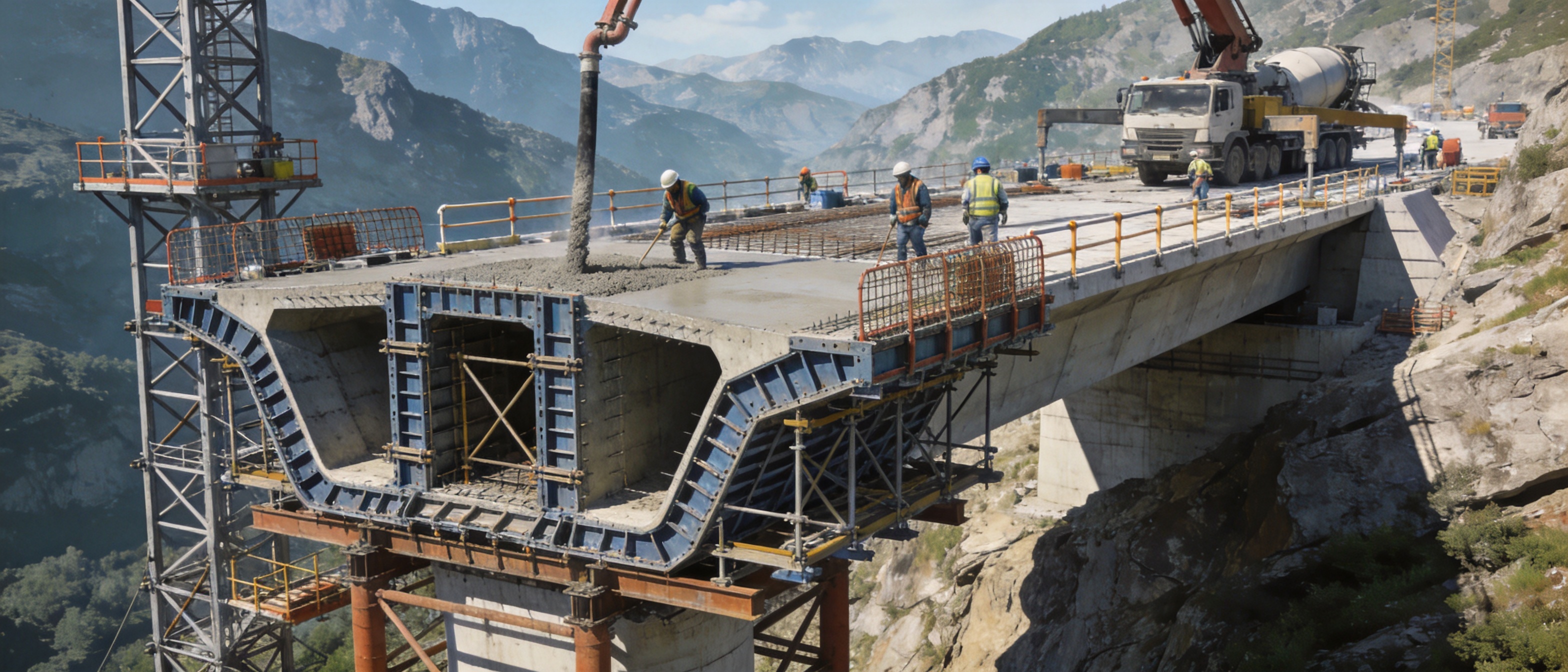
Complex Geographical and Geological Locations
Bridge sites may be located in valleys, floodplains, mountainous areas, soft-soil zones, industrial districts, or dense urban environments. These conditions can make conventional ground-supported formwork difficult to install. A customized system can be developed around the available support points and access limitations.
The formwork may be connected to temporary towers, existing bridge elements, launching systems, or other engineered structures. The appropriate solution depends on project-specific calculations and construction requirements, but the basic advantage remains the same: the formwork can be tailored to the site rather than forcing the site to conform to a rigid standard arrangement.
Design Considerations for a Reliable System
Structural Load Assessment
Before fabrication, the formwork and its supports should be assessed for the loads expected during construction. These may include the self-weight of steel components, fresh concrete, reinforcement, workers, equipment, impact, vibration, wind, and any temporary storage loads. The rate of concrete placement and the properties of the selected mix should also be considered because they influence pressure on the form faces.
The design should identify the complete load path from the concrete and form panels through stiffeners, frames, brackets, connections, and foundations or supporting structural members. Each element must be compatible with the others. A strong panel cannot compensate for an inadequately braced tower, and a stable tower cannot perform properly if its foundation or connection is insufficient.
Geometry and Tolerance Control
The formwork design should reflect the bridge’s final geometry, construction tolerances, expected deflection, and any required camber. Drawings should clearly identify panel dimensions, connection points, adjustment ranges, support locations, lifting points, and access provisions.
For complex bridge components, three-dimensional modeling or detailed shop drawings can help identify interference between reinforcement, embedded items, form ties, and support members. Early coordination reduces field modifications and improves the efficiency of assembly.
Concrete Placement Sequence
The sequence of concrete placement has a direct influence on formwork performance. A pour may proceed in layers, from one end to the other, symmetrically from the center, or according to a staged construction plan. The formwork must remain stable throughout the sequence and must not experience unanticipated unbalanced pressure.
Construction planning should define the maximum placement rate, vibration method, inspection stages, curing arrangements, and formwork release criteria. These factors should be considered during system design rather than after fabrication is complete.
Access and Worker Safety
A practical formwork system must provide safe access for assembly, reinforcement installation, concrete placement, inspection, and dismantling. Working platforms, guardrails, ladders, walkways, lifting points, and tie-off locations should be incorporated where required by the project safety plan.
Safe access also improves productivity. Workers can complete their tasks more efficiently when platforms are stable, working areas are organized, and materials can be moved without climbing on structural members. The final arrangement should comply with applicable national standards, project specifications, and site safety procedures.
Installation and Removal Sequence
Formwork should be designed not only for its final working condition but also for transportation, lifting, assembly, adjustment, and removal. Large panels may need to be divided into manageable modules. Lifting points should be positioned to avoid excessive distortion. Connections should be accessible to workers using the planned tools.
The dismantling sequence is equally important. Concrete must reach the required strength before supports are released. Removal should be carried out in a controlled order so that loads are not transferred suddenly to unfinished or partially cured components. Reusable panels should be cleaned and inspected immediately after removal to prepare them for the next cycle.
Advanced Manufacturing Processes
The performance of cast-in-place bridge formwork depends heavily on manufacturing quality. A professional manufacturer combines engineering planning with controlled metal fabrication. The objective is to produce components that are strong, accurate, compatible, and easy to assemble at the site.
Engineering Review and Project Planning
Manufacturing begins with a review of project drawings, site conditions, construction sequence, design loads, concrete requirements, and access limitations. Engineers identify the formwork configuration, support arrangement, panel dimensions, adjustment requirements, and connection details.
This stage is important because formwork is not a universal product with one fixed configuration. The same project category may require completely different solutions depending on bridge geometry, pier spacing, terrain, clearance requirements, and available equipment. A strong engineering review helps prevent unsuitable standardization and ensures that customization is introduced where it provides real value.
Material Selection and Preparation
Steel plates, sections, tubes, angles, channels, fasteners, and other materials are selected according to the structural and fabrication requirements. Material preparation may include cutting, straightening, drilling, edge treatment, surface cleaning, and identification for assembly.
Consistent material control supports traceability and reduces the risk of using incompatible components. Proper preparation also improves welding quality and dimensional accuracy. For reusable formwork, surface condition is important because roughness, corrosion, or excessive weld spatter can affect concrete appearance and make cleaning more difficult.
Precision Cutting and Machining
Controlled cutting and machining allow panels and connection components to be produced according to the approved drawings. Accurate hole positions are particularly important for bolted assemblies and adjustable connections. Poor alignment can increase installation time and encourage unapproved field modifications.
Where complex profiles are required, controlled cutting methods can produce more consistent shapes than manual fabrication. Machined connection surfaces and accurately prepared edges also improve the fit between adjacent panels and reduce leakage points.
Welding and Structural Assembly
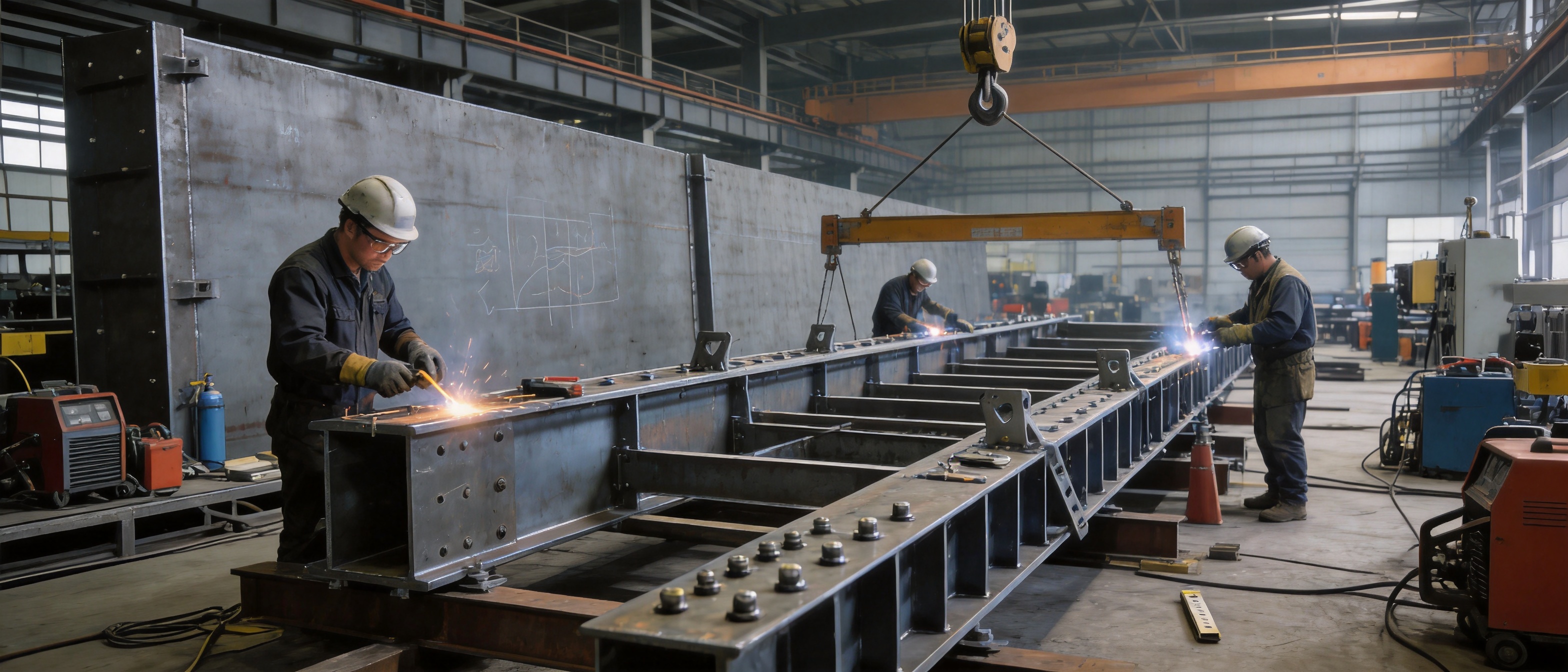
Welding joins plates, stiffeners, frames, brackets, and other steel members into stable assemblies. Welding procedures should be selected according to material type, thickness, joint configuration, and required strength. Skilled operators and appropriate inspection procedures help reduce defects such as incomplete fusion, excessive distortion, porosity, and cracking.
Weld sequencing is important for large panels because uncontrolled heat input can cause distortion. Manufacturers may use fixtures, temporary restraints, staged welding, and post-weld measurement to maintain the required geometry. After welding, critical areas can be inspected visually and, where specified, through additional non-destructive testing methods.
Trial Assembly and Dimensional Inspection
Trial assembly is a valuable manufacturing step for customized systems. Components are temporarily assembled in the factory to confirm fit, connection compatibility, adjustment range, panel orientation, and installation sequence. This process can identify problems before the equipment reaches the construction site.
Dimensional inspection checks panel length, width, flatness, hole positions, frame alignment, connection spacing, and overall assembly geometry. The results can be compared with approved drawings and project tolerances. Proper inspection reduces site delays and supports predictable installation.
Surface Treatment and Protection
Steel formwork may be cleaned, coated, painted, or otherwise protected according to the project environment and service requirements. Surface treatment can reduce corrosion during transportation, storage, and repeated use. The form face should be maintained in a condition that supports the required concrete finish.
Coating selection should consider exposure to moisture, construction chemicals, handling, cleaning agents, and abrasion. After each use, damaged areas should be repaired according to the maintenance procedure. Good surface care extends the service life of the formwork and preserves its dimensional performance.
Packaging and Delivery Preparation
Formwork components must be packaged for safe transportation and efficient site identification. Panels and frames can be marked according to assembly drawings. Small accessories, fasteners, pins, ties, and adjustment components should be grouped and protected against loss or damage.
Transport planning is especially important for bridge projects in remote or congested locations. Components should be sized to suit available lifting equipment and transportation routes. A well-organized delivery package helps the site team locate parts quickly and reduces unnecessary handling.
Manufacturing Strengths of a Specialized Bridge Engineering Company
Zhenjiang Jinhao Road & Bridge Supporting Engineering Co., Ltd. operates as a comprehensive enterprise involved in the design, manufacture, erection, and leasing of Bailey bridges, bridge launching gantry systems, hanging baskets, pier formwork, and various steel formwork products. This range of activities provides a broader engineering foundation than a manufacturer focused only on individual steel panels.
Experience with Bailey bridge systems, launching gantries, hanging baskets, and temporary support structures is relevant to cast-in-place formwork because many bridge projects require several temporary works systems to function together. Understanding the behavior of steel trusses, support towers, suspended platforms, and erection equipment can improve coordination between the formwork and the wider construction method.
The company’s industrial location in Jiangsu Province provides access to established manufacturing, transport, and metal-processing resources. Its development from a materials and metal-processing business into a comprehensive bridge-supporting engineering enterprise reflects an emphasis on expanding technical capability and serving more complex infrastructure needs.
Integrated Design and Fabrication Capability
An integrated service model allows design considerations to be connected directly with fabrication planning. Engineers can evaluate whether a proposed panel size is practical to manufacture, whether the support arrangement can be transported, and whether connections can be assembled efficiently at the site. This reduces the gap that can exist when design, fabrication, and installation are handled by unrelated parties.
For customers, integrated capability can simplify communication. Drawings, technical questions, manufacturing changes, delivery requirements, and erection support can be coordinated through a more direct process. This is especially valuable for customized projects where small changes in geometry or construction sequence can affect the entire formwork arrangement.
Experience with Standardized and Customized Systems
The company manufactures standardized bridge products such as Type 321 Bailey truss sections and HD200 or Type 200 Bailey truss sections, while also providing customized steel structures and formwork. Standardized bridge components demonstrate the ability to work with repeatable modular systems, whereas customized formwork requires attention to project-specific geometry and support conditions.
The combination of these capabilities creates a practical advantage. Standard modules can be used where they are efficient, while special components can be introduced where the bridge requires adaptation. This balanced approach may be more economical than designing every element as a one-off structure or trying to force a complex project into a rigid standardized system.
Erection and Technical Support
Manufacturing quality alone does not guarantee successful performance. Correct erection, alignment, bracing, inspection, and operational control are equally important. A company that provides erection support and technical guidance can help contractors apply the equipment according to the intended design.
Technical support may include assembly instructions, component identification, connection guidance, alignment recommendations, inspection checklists, and assistance with construction sequencing. Depending on the contract, services may also include site erection, rental planning, maintenance advice, and coordination with other temporary works.
Quality Management and Customer Coordination
Quality management covers more than checking the finished product. It includes review of customer requirements, control of drawings, material preparation, fabrication inspection, dimensional verification, packaging, delivery, and after-sales support. A consistent process helps reduce variation between projects and improves confidence in the supplied system.
Customer coordination is particularly important for international projects. Technical information may need to be exchanged across different standards, languages, construction practices, and procurement procedures. Clear documentation and responsive communication can reduce misunderstandings and support smoother project execution.
Comparison with Common Alternative Formwork Methods
Cast-in-place bridge formwork should be selected according to the project rather than treated as a universal replacement for every method. Timber formwork, aluminum systems, prefabricated concrete elements, and permanent formwork products may all be suitable in certain circumstances. However, engineered steel formwork offers a distinctive combination of strength, adaptability, reuse, and customization.
| Evaluation Factor |
Engineered Steel Formwork |
Basic Timber Formwork |
Fully Prefabricated Concrete Elements |
| Adaptation to irregular geometry |
High; panels and supports can be customized |
High in principle, but dependent on site workmanship |
Limited after fabrication |
| Dimensional stability |
High when properly designed and assembled |
Moderate and affected by moisture and repeated use |
High for factory-produced components |
| Reuse potential |
High with cleaning and maintenance |
Limited to moderate |
Not applicable as temporary formwork |
| Suitability for restricted transport access |
Good when supplied in modular sections |
Good for small quantities |
Often challenging for large components |
| Support for complex site conditions |
High with engineered temporary supports |
Dependent on local improvisation |
Dependent on lifting and foundation conditions |
| Initial engineering requirement |
High, particularly for customized systems |
Lower for simple structures |
High during component design |
| Long-term lifecycle value |
Strong because components can be reused |
Lower where materials are discarded after use |
Strong when transportation and installation are efficient |
Compared with basic timber formwork, steel systems normally require more planning and a higher initial investment. However, they can deliver better repeatability, reduced deformation, improved working conditions, and greater reuse. Compared with fully prefabricated concrete, cast-in-place formwork provides more flexibility when site geometry, access, or construction sequencing prevents the economical use of large prefabricated components.
Benefits for Contractors and Project Owners
More Flexible Procurement
Contractors can procure a customized formwork system based on actual bridge drawings rather than attempting to adapt generic equipment after delivery. This improves the connection between design intent and construction practice. The supplier can also prepare fabrication drawings and identify special components before production begins.
Improved Construction Planning
A modular steel system supports organized planning of transport, lifting, assembly, concrete placement, dismantling, and relocation. When components are numbered and documented, the site team can establish a predictable workflow. This is useful for projects where traffic management, river access, railway clearance, or narrow working zones limit available time.
Lower Risk of Unplanned Modification
Improvised cutting, welding, or drilling at the site can introduce quality and safety risks. Properly designed steel formwork reduces the need for such modifications. If a change is required, it can be reviewed by the engineering team before implementation rather than being decided informally during construction.
Potential Reduction in Total Project Cost
The total cost of formwork includes design, fabrication, delivery, erection, labor, maintenance, relocation, dismantling, storage, and disposal. A steel system may have a higher purchase price than basic temporary materials, but its reusability and productivity can improve the overall economics. The greatest value is often achieved on projects with repeated sections, long construction durations, or demanding quality requirements.
Support for Multiple Project Types
Because cast-in-place formwork can be customized, it can serve highway bridges, municipal bridges, railway-related structures, water conservancy crossings, temporary support works, and special structures. This versatility allows contractors and rental companies to use the equipment across different project categories instead of limiting it to one narrow application.
Recommended Project Workflow
Step One: Collect Project Information
The customer should provide structural drawings, bridge dimensions, concrete data, construction sequence, support restrictions, access information, expected reuse frequency, and applicable standards. Photographs, survey information, and site layouts are also useful when the terrain is complex.
Step Two: Review Geometry and Construction Method
The engineering team reviews whether the formwork will be ground-supported, pier-supported, suspended, or integrated with another temporary works system. The review should identify irregular sections, changing dimensions, clearance constraints, and any areas requiring special panels or brackets.
Step Three: Develop the Technical Proposal
The proposal should describe the formwork arrangement, primary components, support system, adjustment range, material requirements, erection method, concrete sequence, and expected reuse. It should also identify what is included in manufacturing, delivery, erection, and technical support.
Step Four: Confirm Drawings and Fabrication Details
Approved drawings should be used for production. Panel numbering, connection details, lifting points, inspection requirements, surface treatment, and packaging should be finalized before fabrication. Any changes after approval should be recorded and reviewed.
Step Five: Manufacture and Inspect
Fabrication includes material preparation, cutting, drilling, welding, assembly, dimensional inspection, surface treatment, and marking. Customized components should be checked against the approved drawings, and trial assembly should be used where the system is complex or highly interdependent.
Step Six: Deliver and Erect
Components should be delivered according to the construction schedule and protected during transport. At the site, the contractor should verify foundations, support points, lifting equipment, access routes, and working platforms before assembly. Erection should follow the approved method statement.
Step Seven: Inspect Before Concrete Placement
Before pouring, the site team should check alignment, dimensions, connections, bracing, supports, working platforms, form cleanliness, release agent, reinforcement clearance, embedded items, and potential leakage points. Any discrepancy should be corrected before concrete placement begins.
Step Eight: Monitor During Pouring and Remove Carefully
During concrete placement, workers should monitor movement, leakage, alignment, support behavior, and concrete distribution. After curing, formwork should be removed only when the concrete has achieved the required strength and the approved release procedure has been completed. Components should then be cleaned, inspected, and stored for the next use.
Maintenance and Service-Life Management
Regular maintenance protects the investment in reusable steel formwork. After each use, concrete residue should be removed before it hardens excessively. Panels should be checked for dents, distortion, corrosion, damaged coatings, blocked holes, loose fasteners, and worn adjustment mechanisms.
Small defects should be repaired promptly. Bent panels or damaged frames should not be returned to service without evaluation because even minor deformation can affect concrete geometry and connection performance. Bolts, pins, ties, jacks, and adjustable supports should be inspected for wear and replaced when necessary.
Storage conditions also influence service life. Components should be placed on stable supports, kept clear of standing water, and protected from unnecessary exposure to corrosive materials. Small accessories should be stored in labeled containers so that the correct parts are available during the next assembly cycle.
For rental projects, maintenance records can document use history, repairs, inspections, and component replacement. This helps the supplier and customer determine whether the system remains suitable for another project and supports better lifecycle planning.
Environmental and Sustainability Considerations
Reusable steel formwork can contribute to more sustainable bridge construction by reducing the amount of disposable temporary material used on site. Its long service life allows the same panels and support components to be used across several projects. This can reduce waste, repeated manufacturing, and the demand for short-life materials.
Cast-in-place construction may also reduce the need to transport very large prefabricated concrete elements when local production and site access are more practical. The environmental benefit depends on the complete project assessment, including steel production, transportation, concrete supply, equipment use, and the number of reuse cycles.
Durability is another sustainability factor. Well-maintained formwork remains useful for a longer period, spreading its manufacturing impact across multiple construction applications. Proper design can also reduce material use by placing steel where it is structurally needed rather than relying on oversized, improvised supports.
Why Customization Is a Competitive Advantage
In bridge construction, the lowest-cost product is not always the most economical solution. A generic system may appear inexpensive but require extensive site modification, additional labor, excess bracing, or repeated correction. A customized system can provide better value when it reduces installation time, improves concrete quality, limits risk, and can be reused.
The competitive advantage of a specialized supplier lies in combining product manufacturing with engineering judgment. The supplier should understand how components will be transported, erected, adjusted, loaded, relocated, and maintained. This practical understanding helps produce formwork that is not only structurally adequate but also convenient for real construction work.
For Jinhao, the ability to provide Bailey bridges, bridge launching gantry systems, hanging baskets, pier formwork, and related steel structures supports a broader temporary works perspective. Customers can discuss formwork requirements with an organization familiar with bridge erection, steel support systems, and site-based construction challenges.
Global customers may also benefit from OEM and ODM cooperation. Customized dimensions, component markings, documentation, surface treatment, packaging, and project-specific configurations can be coordinated according to contractual requirements. Such flexibility is valuable for contractors that operate under different national standards or have their own engineering and procurement procedures.
Quality and Risk Control
Quality control should address both the product and the construction process. At the manufacturing stage, the main controls include material verification, welding quality, dimensional accuracy, connection fit, surface treatment, and packaging. At the site stage, the main controls include foundation readiness, assembly accuracy, bracing, load capacity, concrete placement rate, monitoring, and safe dismantling.
Risk control begins with clear responsibility. Drawings should identify design assumptions and applicable limits. The contractor should confirm that the actual site condition matches the information used for design. If the site changes, the formwork arrangement should be reassessed rather than used outside its intended conditions.
Communication between the supplier, designer, contractor, and site safety team is essential. Questions regarding support locations, lifting, access, sequence, or changes should be resolved before work proceeds. A reliable supplier supports this process through technical documentation and responsive coordination.
Questions and Answers
What is cast-in-place bridge formwork?
Cast-in-place bridge formwork is a temporary or reusable steel system used to shape and support concrete that is poured at the bridge construction site. It includes form panels, stiffeners, support frames, bracing, connections, and accessories needed to maintain the required geometry until the concrete gains sufficient strength.
When is cast-in-place formwork preferable to prefabricated bridge components?
It is preferable when the bridge contains irregular geometry, changing dimensions, difficult access, restricted transport routes, complex geological conditions, or structural sections that cannot be economically prefabricated. It is also useful when the contractor needs to construct the bridge in stages or adjust the formwork to actual site conditions.
Can the formwork be used for different bridge shapes?
Yes. Steel formwork can be customized for straight, curved, inclined, tapered, vertical, and irregular bridge components. The final capability depends on the approved design, fabrication method, support arrangement, and adjustment range.
Can one formwork system be reused?
Yes. Many steel panels, frames, brackets, and accessories can be reused when they are properly cleaned, inspected, repaired, and stored. Reuse is especially practical for bridges with repeated spans, similar piers, or multiple construction sections.
What information is needed to design a customized system?
Important information includes bridge drawings, structural dimensions, concrete grade and placement method, reinforcement arrangement, construction sequence, support locations, ground conditions, clearance requirements, access limitations, lifting equipment, expected reuse, and applicable standards.
How does steel formwork compare with timber formwork?
Steel formwork generally provides greater dimensional stability, higher reuse potential, better repeatability, and stronger support performance. Timber may be suitable for simple or small-scale work, but it can be more affected by moisture, repeated use, workmanship variation, and site conditions.
Can the supplier provide erection support?
A specialized bridge engineering company may provide assembly guidance, technical documentation, site erection, inspection support, rental services, and construction planning assistance. The exact scope depends on the project contract and customer requirements.
Is cast-in-place formwork suitable for temporary structures?
Yes. It can be combined with temporary steel beams, towers, brackets, platforms, and other support structures. The system must be designed for the specific temporary loads, duration, environmental conditions, and removal sequence.
How should the formwork be maintained?
After each use, remove concrete residue, inspect panels and frames, repair damage, check fasteners and adjustment mechanisms, restore protective coatings where necessary, and store components on stable supports away from standing water and corrosive materials.
What makes a supplier competitive in this field?
A competitive supplier combines engineering design, controlled steel fabrication, dimensional inspection, customization, erection knowledge, technical support, quality management, and the ability to coordinate formwork with other bridge-supporting systems.
Conclusion
Cast-in-place bridge formwork remains a highly effective solution for bridge projects where flexibility, support reliability, and customized geometry are essential. Its greatest strength is the ability to construct concrete directly at the site while adapting the formwork to irregular structural shapes, variable terrain, restricted access, and changing construction requirements.
Engineered steel systems offer important advantages over improvised or short-life alternatives. They provide improved dimensional stability, strong load-bearing performance, repeatable assembly, compatibility with different concrete applications, and the potential for repeated use. When supported by accurate fabrication, trial assembly, quality inspection, and proper site installation, they can improve both construction efficiency and finished concrete quality.
Zhenjiang Jinhao Road & Bridge Supporting Engineering Co., Ltd. brings together design, manufacturing, erection, leasing, and technical support for bridge-related steel systems. Its experience with Bailey bridges, launching gantry systems, hanging baskets, pier formwork, and customized steel structures provides a broad foundation for developing practical solutions for complex bridge construction.
For contractors, governments, and engineering companies, the best formwork solution is one that matches the actual project rather than relying on a fixed standard. Through careful engineering review, advanced steel fabrication, professional assembly, and lifecycle maintenance, customized cast-in-place bridge formwork can support safe, efficient, and durable infrastructure development.
References
1. American Concrete Institute. Guide to Formwork for Concrete Construction.
2. American Association of State Highway and Transportation Officials. Standard Specifications for Highway Bridges and Related Construction Practices.
3. International Organization for Standardization. General Principles for Structural Steel Fabrication and Quality Management.
4. European Committee for Standardization. Execution of Steel Structures and Technical Requirements for Temporary Works.
5. Occupational safety guidance for formwork, temporary works, lifting operations, and construction access systems.
6. Technical literature on bridge erection equipment, modular steel structures, reinforced-concrete construction, and reusable formwork systems.


 Français
 Español
 عربى