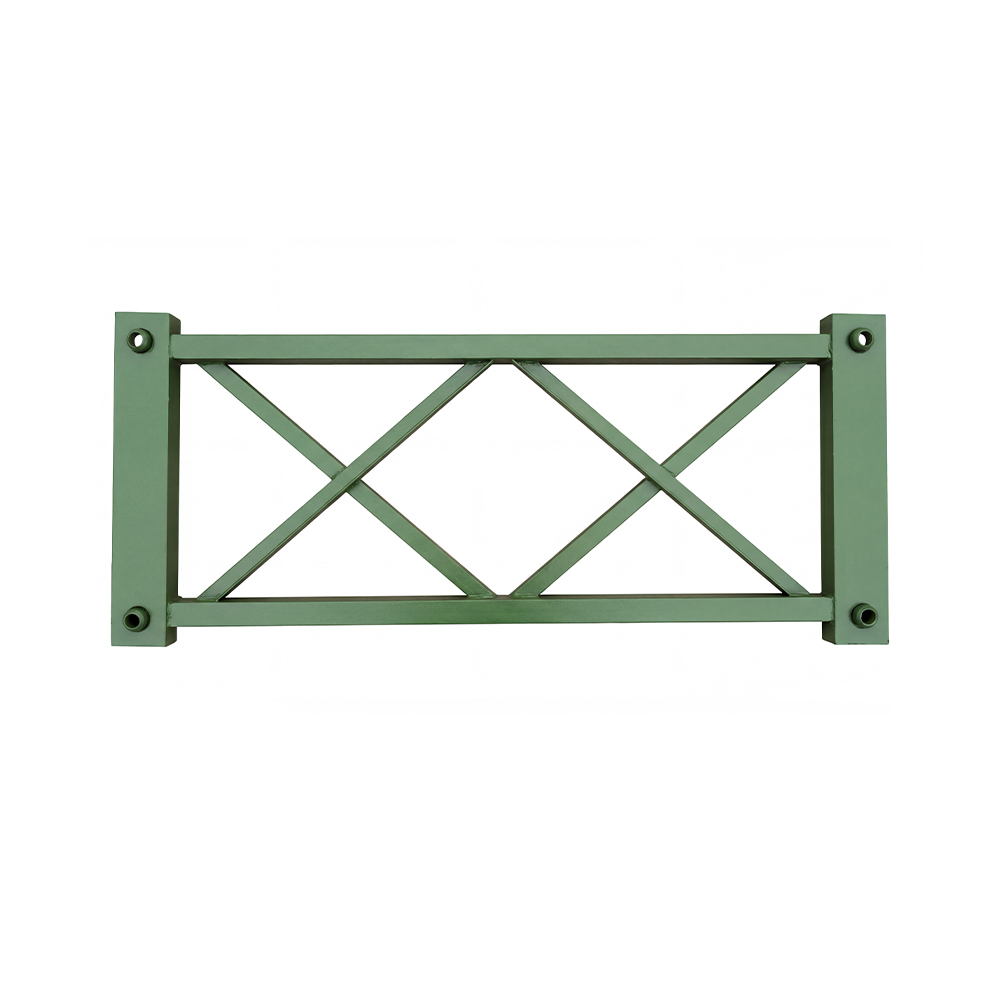
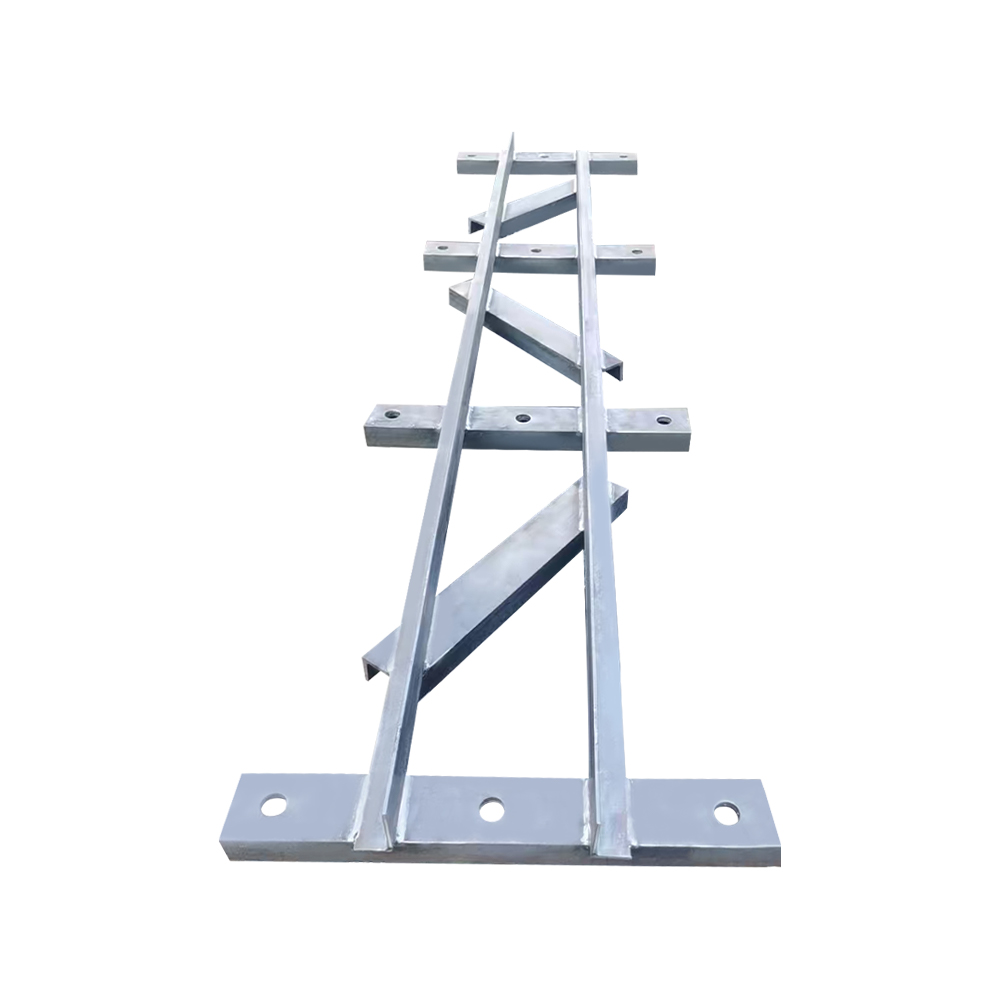
Introduction
Crash barrier formwork is an essential temporary steel system used to construct reinforced concrete safety barriers along highways, expressways, municipal bridges, urban roads, ramps, and other transportation infrastructure. Although a crash barrier may appear to be a relatively simple concrete element, its performance depends heavily on dimensional accuracy, alignment, surface quality, reinforcement placement, and the consistency of the construction process. Formwork therefore plays a decisive role in producing barriers that are safe, durable, visually uniform, and compliant with project requirements.
Modern road construction projects increasingly require formwork systems that combine structural strength with rapid installation and flexible reuse. Contractors must often complete long sections of barrier within limited construction windows while maintaining traffic safety and controlling labor costs. At the same time, the formwork must withstand repeated concrete placement, vibration, handling, weather exposure, and transportation between work areas. A poorly designed system can result in misalignment, concrete leakage, uneven surfaces, difficult stripping operations, and costly rework.
Crash barrier formwork developed by professional bridge steel formwork manufacturers addresses these challenges through modular construction, integrated positioning devices, quick-release connections, and carefully controlled fabrication. The system is suitable for both straight and curved barrier sections and can be adapted to different barrier profiles, dimensions, and project conditions. Its purpose is not only to create a concrete shape, but also to establish a repeatable and efficient production process for road safety infrastructure.
Zhenjiang Jinhao Road & Bridge Supporting Engineering Co., Ltd. is a China-based engineering and manufacturing enterprise specializing in Bailey bridges, bridge launching gantry systems, hanging baskets, pier formwork, bridge steel formwork, and related steel structures. With capabilities covering design, manufacturing, erection, leasing, and technical support, the company provides integrated solutions for contractors, government agencies, infrastructure developers, and engineering companies.
This article examines the structure, advantages, manufacturing process, applications, installation method, quality considerations, and purchasing value of crash barrier formwork. It also explains why a professionally engineered modular steel system can offer important advantages over conventional fabricated formwork and less specialized alternatives.
What Is Crash Barrier Formwork?
Crash barrier formwork is a reusable steel mold system used to form reinforced concrete barriers. The formwork creates the external profile of the barrier while maintaining the required width, height, curvature, and alignment during concrete placement and curing. Depending on the project, it may be installed along the edge of a bridge deck, at the center of a divided highway, beside a roadway, on a ramp, or along a municipal structure.
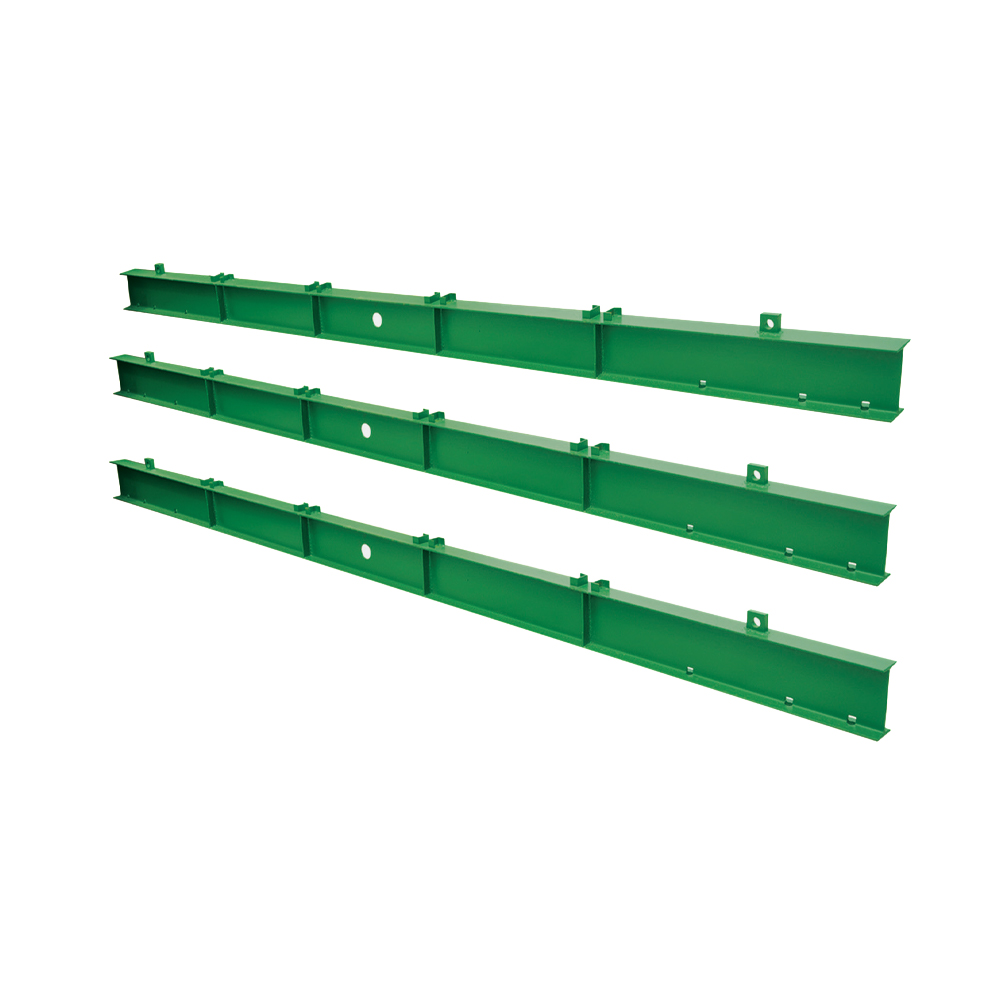
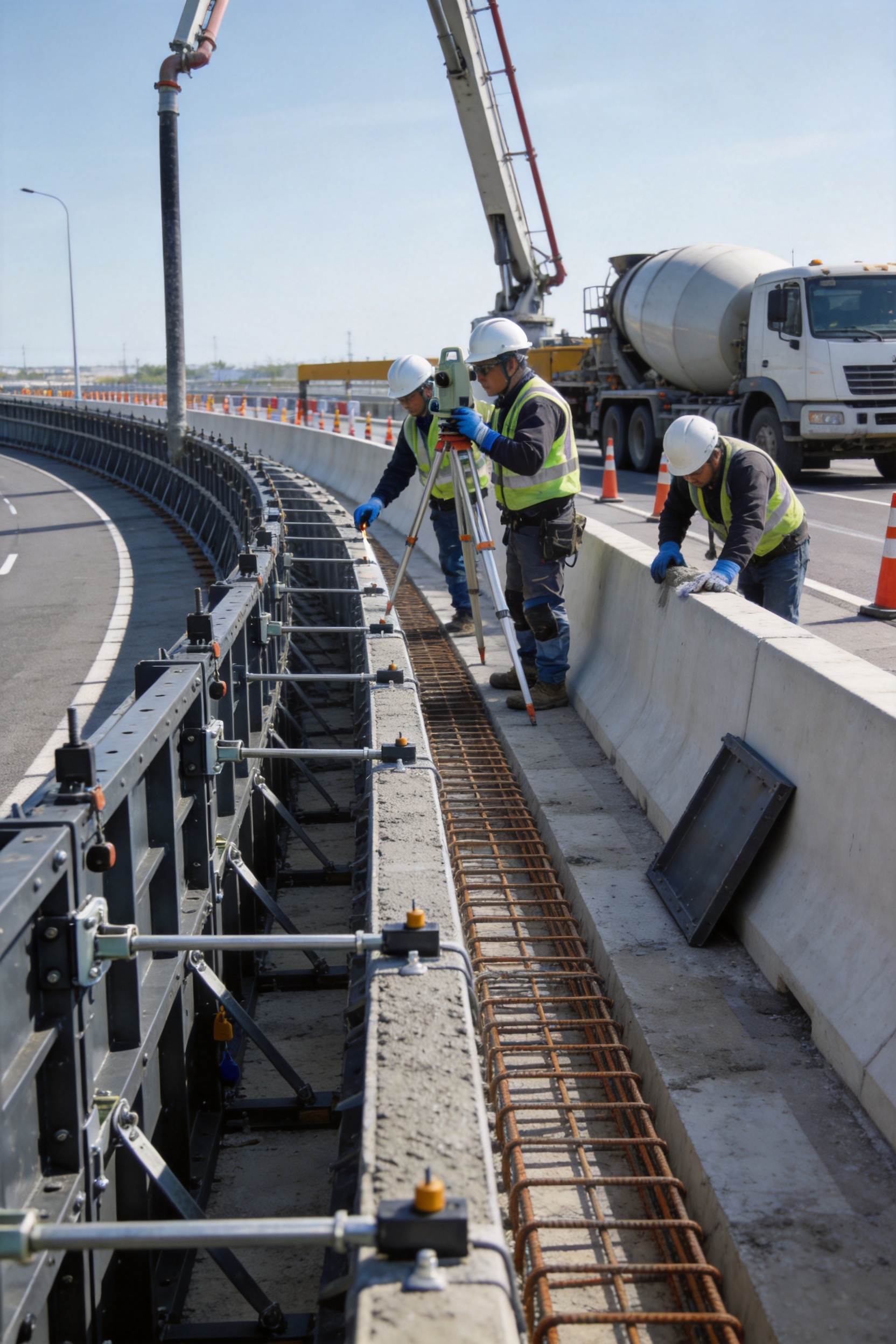
The system typically consists of steel side panels, end panels, stiffening members, connection components, positioning devices, working accessories, and release mechanisms. The exact configuration depends on the barrier design and the construction method. Some projects use individual modular units, while others use longer continuous assemblies that can be repositioned along the roadway as each concrete section is completed.
Unlike improvised timber or thin sheet-metal molds, bridge steel formwork is designed to maintain its geometry under construction loads. Fresh concrete creates considerable lateral pressure, especially when it is placed quickly or compacted using mechanical vibration. The formwork must resist this pressure without excessive deformation. It must also preserve the required line and level from one section to the next so that the finished barrier appears continuous and performs consistently.
A modern crash barrier formwork system is generally designed around four fundamental principles:
1. Dimensional control: The formwork must maintain the specified barrier profile, thickness, height, and alignment.
2. Structural stability: The steel panels and support components must withstand concrete pressure, vibration, handling, and repeated use.
3. Operational efficiency: Assembly, adjustment, stripping, cleaning, and relocation should be completed quickly with limited specialized labor.
4. Adaptability: The system should accommodate different road layouts, barrier geometries, and project-specific construction conditions.
These principles make crash barrier formwork an important productivity and quality-control tool rather than a simple temporary mold.
Core Design Features
Integrated Linear Positioning Device
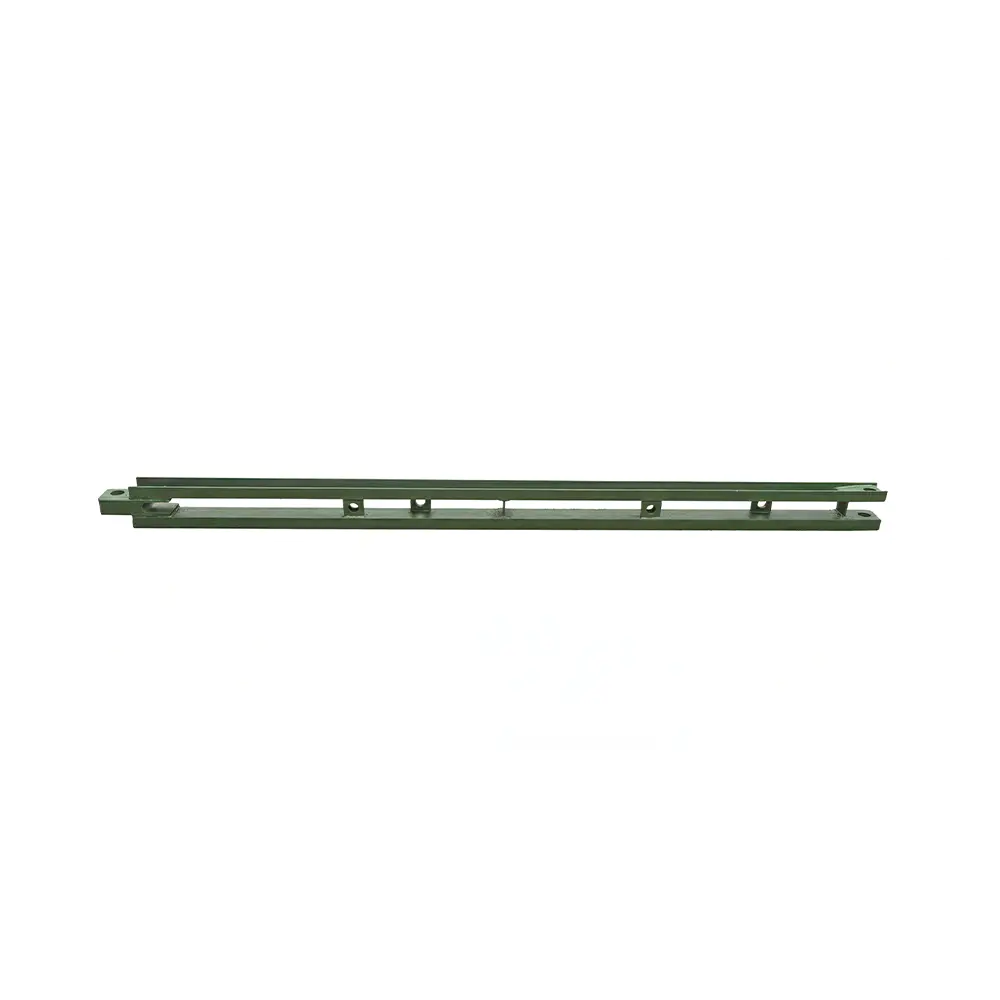
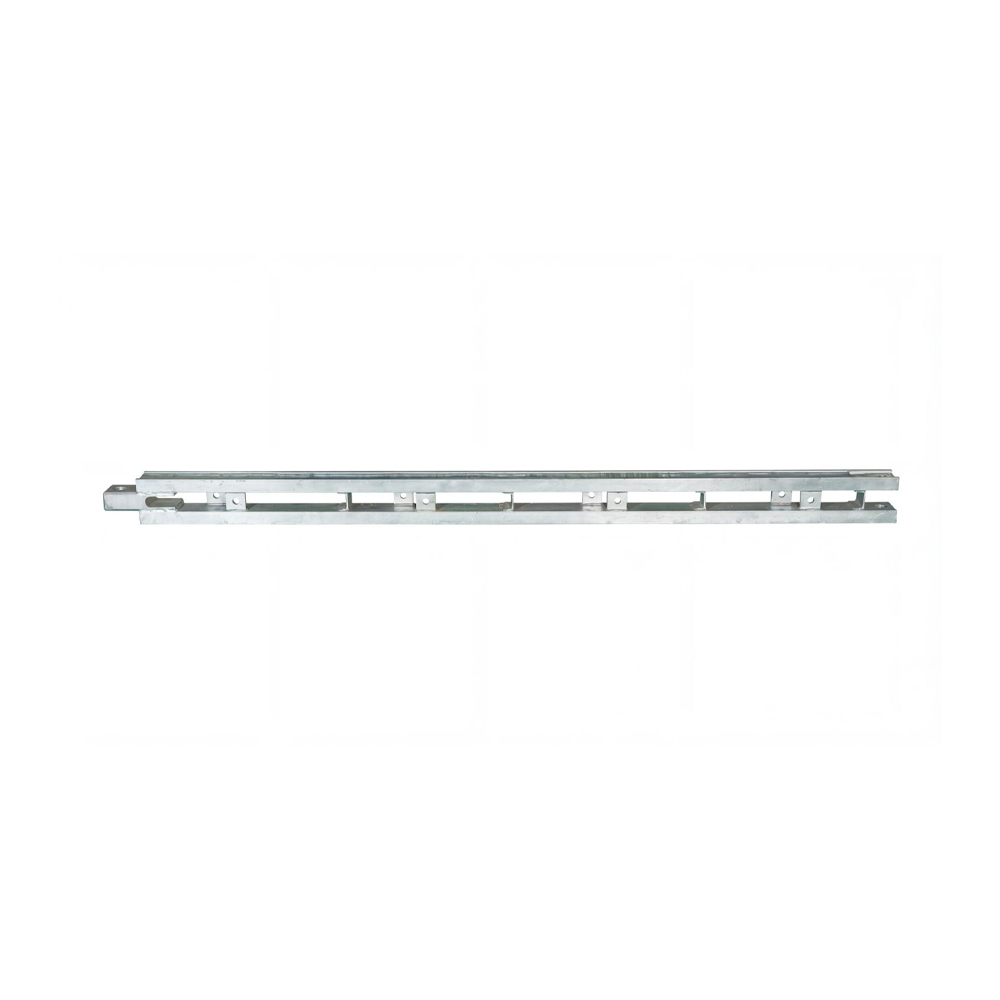
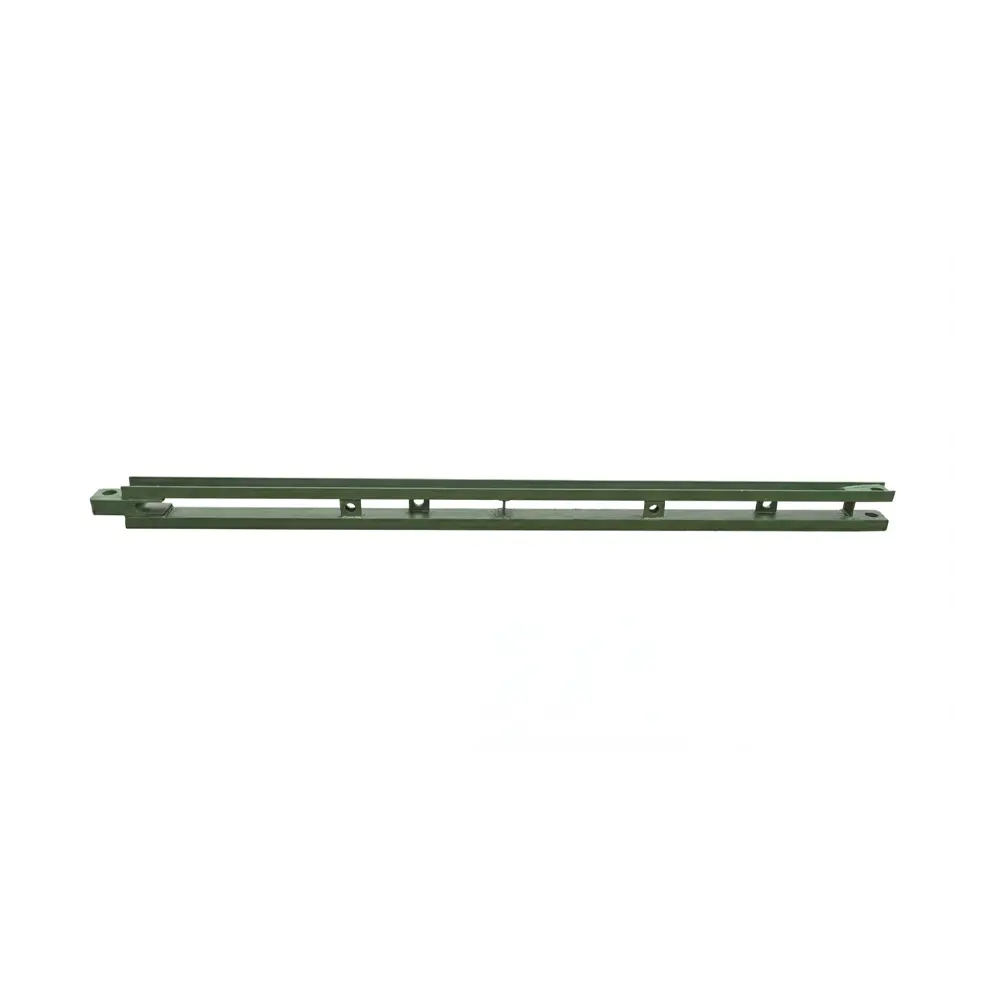
One of the most important features of a precision crash barrier formwork system is its integrated linear positioning device. This component helps control the longitudinal position of the formwork and maintains a consistent relationship between adjacent units. It supports accurate setting-out along the road centerline, deck edge, or other reference line.
In conventional systems, workers may depend on repeated manual measurements, temporary spacers, and visual checks. These methods can produce small alignment errors that accumulate over a long barrier section. An integrated positioning arrangement provides a more controlled reference and reduces the risk of gradual deviation. It also makes adjustment more systematic when the formwork is moved from one casting position to another.
Linear positioning is particularly valuable on bridge decks and expressways where the barrier must follow a precise route. Even minor horizontal or vertical deviations may become visible when the finished structure is viewed over a long distance. Accurate positioning improves appearance while also helping ensure that the barrier occupies the intended safety zone.
Quick-Release Buckles and Connections
Quick-release buckles allow formwork panels and associated components to be connected and released with less effort than conventional bolted systems. They are designed to support rapid assembly, stripping, and relocation. This is especially useful in projects where the formwork is reused repeatedly along a long roadway.
A practical quick-release connection should be secure during concrete placement but simple to operate during dismantling. Reducing the number of loose parts can also improve worksite organization. When stripping operations are completed more efficiently, contractors can move the formwork to the next casting section sooner, increasing daily output.
Quick-release systems also help reduce dependence on extensive manual tightening and loosening. This can lower labor intensity and reduce the risk of incorrectly installed fasteners. For projects operating under strict traffic management schedules, faster formwork turnover can contribute directly to shorter lane-closure periods.
Rigid Steel Panels and Reinforced Frames
The main panels of the formwork are manufactured from steel selected for adequate strength, weldability, durability, and resistance to repeated handling. Reinforcing ribs, frames, and support members are incorporated to limit panel deflection under concrete pressure.
Rigid panels are important because surface deformation can transfer directly to the finished concrete. Excessive deflection may cause changes in barrier thickness, uneven edges, visible waves, or difficulty in joining adjacent sections. A well-designed steel frame distributes loads across the formwork and preserves a stable profile during placement and vibration.
Compared with temporary timber formwork, steel panels offer better repeatability and dimensional stability. They are less vulnerable to moisture-related swelling, warping, splitting, and rapid wear. Compared with thin, lightly supported metal sheets, properly reinforced steel formwork offers higher resistance to impact and repeated use.
Adaptation to Straight and Curved Sections
Roads and bridges do not always follow a straight line. Interchanges, ramps, urban intersections, bridge approaches, and curved deck sections may require barriers with different radii or transition geometries. Crash barrier formwork can be configured for straight sections and adapted to curved sections according to design requirements.
Curved formwork demands careful engineering because the inner and outer panel lengths, connection positions, and support arrangements may vary. The system must maintain a smooth curve without creating abrupt changes between modules. Properly planned modularity enables the manufacturer to supply standard sections together with customized components for transitions, end treatments, and special radii.
This flexibility provides a clear advantage over rigid, one-purpose molds. Contractors can use a coordinated formwork solution across multiple areas of the same project rather than obtaining separate improvised systems for every geometric condition.
Advantages Compared with Conventional Formwork
Higher Dimensional Precision
Precision is one of the strongest advantages of professionally manufactured crash barrier formwork. The formwork is fabricated according to approved drawings and controlled dimensions rather than being assembled entirely on site. This supports consistent barrier width, height, edge position, and surface profile.
High precision benefits both safety and appearance. A barrier that is correctly positioned provides a predictable protective boundary for vehicles and pedestrians. Consistent dimensions also make it easier to install associated elements such as expansion joints, drainage components, reflectors, railings, lighting supports, and road markings.
Visual quality is particularly important on bridges, urban roads, and major expressways. Repeated irregularities can make a completed project appear unfinished even when its basic structural function is adequate. Uniform formwork helps produce a continuous appearance with clean lines and consistent transitions.
Faster Assembly and Disassembly
Conventional formwork may require extensive cutting, drilling, adjustment, and temporary bracing at the construction site. These activities consume time and introduce variability. Modular crash barrier formwork is prepared for efficient assembly, reducing the amount of fabrication required during installation.
Quick-release buckles and planned connection points simplify the work sequence. Once the formwork has been positioned and checked, the same assembly can be used repeatedly. During stripping, workers can release the connections, separate the panels, clean the contact surfaces, and relocate the units with less disruption.
Faster handling is especially valuable when work takes place beside live traffic. Every reduction in installation and removal time can support safer traffic management and reduce the duration of temporary lane restrictions.
Reduced Labor Intensity
A well-designed formwork system reduces the number of manual corrections required during each casting cycle. Integrated positioning devices, standardized components, and accessible release points make routine operations more predictable.
Reduced labor intensity does not mean that inspection can be eliminated. Workers must still confirm dimensions, reinforcement clearance, anchorage, cleanliness, and stability. However, a precision system allows skilled personnel to focus on quality checks rather than repeatedly correcting basic alignment and connection problems.
Lower labor requirements can be beneficial in regions where experienced formwork workers are limited or where projects must maintain multiple work fronts simultaneously. It also improves the consistency of performance between different construction teams.
Improved Reusability
Steel formwork is intended for repeated use. When properly cleaned, stored, transported, and maintained, it can serve multiple casting cycles and potentially be used on several projects. The economic value of the system therefore extends beyond a single barrier pour.
Reusable formwork reduces the need to purchase and dispose of temporary timber, plywood, or low-durability materials. It can also reduce material waste and support more sustainable construction practices. The number of reuses depends on design, handling conditions, concrete pressure, cleaning procedures, and maintenance, so project teams should establish a clear inspection and care program.
Better Surface Quality
The concrete surface reflects the quality of the contact face. Steel panels manufactured with controlled flatness and suitable surface treatment can produce a more uniform finish. They also reduce the risk of excessive leakage through poorly fitted joints.
A high-quality surface can reduce patching, grinding, and other finishing operations. This saves time and helps protect the architectural appearance of bridge and roadway structures. Proper release-agent application remains important because even a well-fabricated panel can produce defects if the concrete bonds to the formwork.
Enhanced Adaptability
Modular formwork can be configured for different barrier dimensions, construction sequences, and site limitations. It may be adapted for straight alignments, curved sections, end sections, transitions, and special details. This adaptability gives contractors greater control over project planning.
Compared with fixed one-piece molds, modular systems are easier to transport and store. They can be divided into manageable units for lifting and repositioning. This is particularly important on bridge decks, elevated structures, and constrained urban sites where access for large equipment may be limited.
| Evaluation Factor | Modular Steel Crash Barrier Formwork | Improvised Timber Formwork | Lightweight Non-Engineered Metal Formwork |
|---|
| Dimensional consistency | High when correctly fabricated and positioned | Variable and dependent on site workmanship | Variable if insufficiently reinforced |
| Resistance to concrete pressure | High with designed frames and stiffeners | Moderate and often requires additional bracing | Dependent on panel thickness and support layout |
| Assembly and stripping | Efficient with modular connections and quick-release devices | Time-consuming and often requires cutting | Moderate, depending on connection design |
| Reusability | High with proper maintenance | Limited by moisture and mechanical damage | Moderate to high if adequately protected |
| Suitability for long barrier runs | Very suitable | Labor-intensive | Suitable when alignment control is adequate |
| Adaptation to curves | Possible through engineered modular sections | Possible but difficult to repeat accurately | Dependent on specialized design |
Manufacturing Process and Quality Control
The performance of crash barrier formwork begins with the manufacturing process. A reliable product is not created only by welding steel panels together. It requires engineering review, controlled material preparation, accurate fabrication, dimensional inspection, surface treatment, and organized delivery.
Engineering Review and Project Confirmation
The manufacturing process starts with a review of the customer’s drawings, barrier profile, design dimensions, project length, casting sequence, site access, and expected reuse conditions. Important details include barrier height, base width, top width, radius of curvature, construction joints, embedded items, end treatments, and connection requirements.
For bridge and highway projects, the formwork supplier should confirm how the system will be positioned, supported, stripped, and moved. The formwork must be compatible with the reinforcement arrangement and must not obstruct concrete placement or vibration. A practical design considers the entire work cycle instead of focusing only on the finished profile.
Where the customer requires customized dimensions, technical personnel can develop a formwork arrangement according to the project geometry. Standardized modules may be combined with specially fabricated pieces to balance cost, availability, and adaptability.
Material Selection and Preparation
Steel plates, profiles, ribs, frames, brackets, connectors, and other components are selected according to structural requirements and manufacturing needs. Material preparation may include cutting, leveling, drilling, machining, and edge treatment.
Accurate cutting is important because small dimensional differences can affect panel alignment and connection quality. Prepared components should be identified and organized so that they can be traced through the fabrication process. This helps reduce assembly errors and supports later inspection.
CNC Cutting and Dimensional Fabrication
Computer-controlled cutting equipment can be used to produce consistent shapes and connection details. CNC processing improves repeatability, especially when multiple modules share the same dimensions. It can also support the fabrication of curved or transition components that would be difficult to produce accurately through manual cutting alone.
After cutting, parts are checked for dimensional accuracy, edge quality, and distortion. Components that do not meet the required tolerance should be corrected or rejected before they enter the welding stage.
Controlled Welding and Structural Assembly
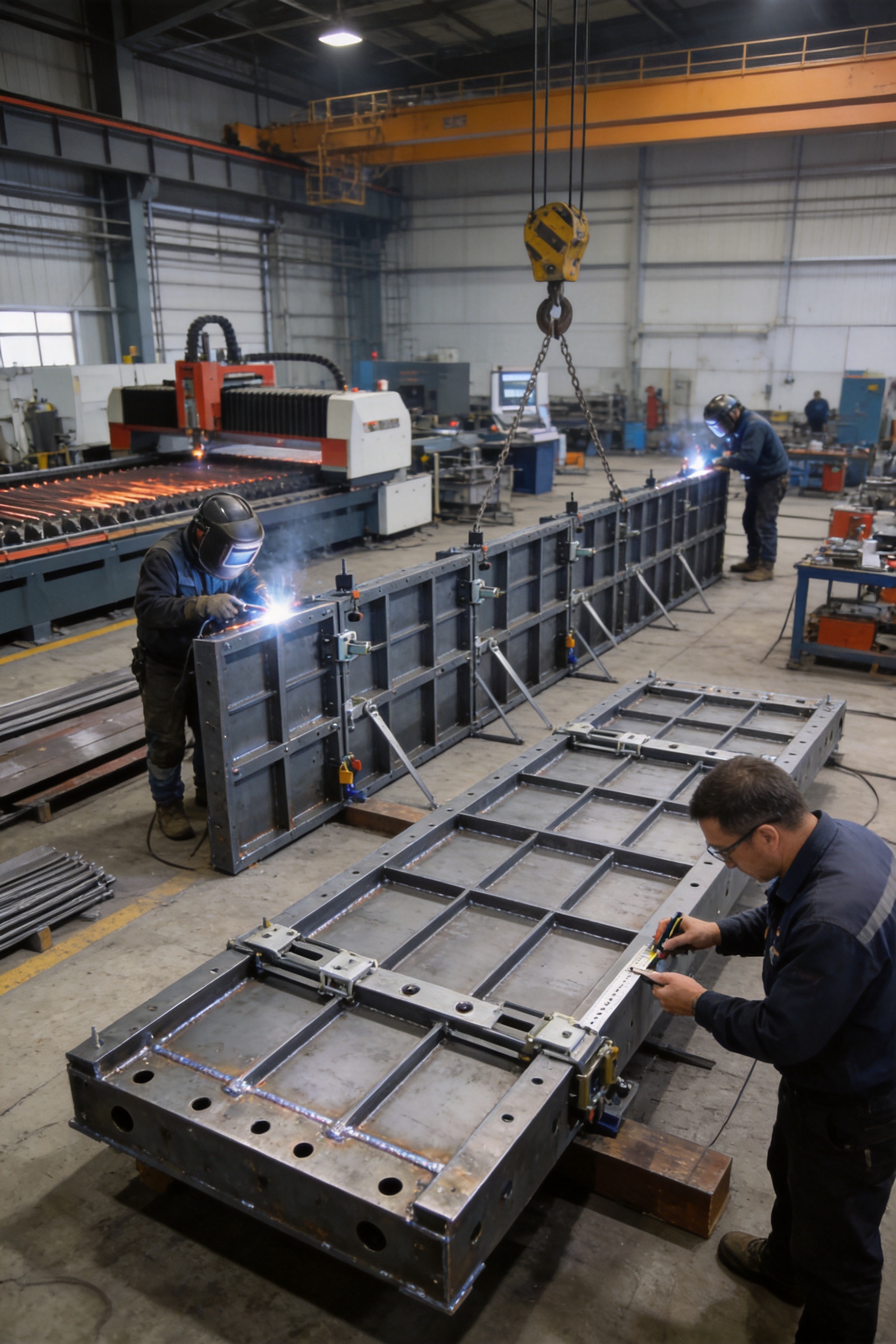
Welding joins the panels, stiffeners, frames, lifting points, brackets, and other steel components into a stable formwork assembly. Welders must follow appropriate procedures to reduce distortion and ensure adequate joint strength. The sequence of welding is important because excessive heat concentration can cause panels to warp.
Professional fabrication shops use fixtures, templates, clamps, and assembly platforms to hold components in the correct position. These tools help maintain squareness, parallelism, and profile accuracy during welding. Where necessary, welds may be inspected visually and through additional quality-control methods according to project requirements.
The manufacturing strength of an experienced bridge steel supplier lies partly in its ability to control these details. Formwork that appears acceptable before use may fail during concrete placement if the frame is weak, connections are poorly welded, or panel geometry is not stable.
Trial Assembly and Dimensional Inspection
Trial assembly allows the manufacturer to verify that modules fit together as intended. This stage can reveal problems involving connection alignment, panel gaps, quick-release buckle operation, positioning devices, lifting arrangements, or curved-section transitions.
Inspectors may check overall length, height, width, diagonal dimensions, panel flatness, connection spacing, and the position of reference points. The results should be compared with approved drawings and customer specifications. Corrective work is easier and less expensive in the factory than at the construction site.
Surface Treatment and Protection
After fabrication and inspection, steel surfaces may be cleaned, prepared, and coated to improve resistance to corrosion. The treatment method depends on the project environment, storage conditions, expected service life, and customer requirements.
Contact surfaces should be smooth and suitable for concrete work. Coated surfaces must be protected during transportation and handling. Any damaged coating should be repaired before or during site installation to prevent early corrosion.
Packaging, Delivery, and Technical Support
Formwork modules should be packaged according to their size, weight, lifting points, and transport route. Components can be marked to support efficient site assembly. Organized packing reduces the risk of missing parts and helps workers identify the correct installation sequence.
A complete supplier service may include assembly drawings, operating instructions, component lists, technical clarification, and installation guidance. For larger projects, technical personnel may assist with system planning, erection, inspection, and troubleshooting.
Application Areas
Highways and Expressways
Highways and expressways often contain long, continuous barrier runs. Construction efficiency and alignment consistency are therefore major priorities. Modular steel formwork allows the same units to be repositioned repeatedly, supporting a stable production cycle across extended distances.
On high-speed roads, the finished barrier must provide a continuous and reliable boundary. Accurate formwork helps maintain the specified line and profile while reducing visible irregularities. It also supports the installation of reflective devices, road signs, drainage details, and other safety-related components.
Bridge Decks and Bridge Approaches
Bridge decks require formwork that can be transported and positioned in restricted areas. The system must accommodate reinforcement congestion, edge conditions, expansion joints, drainage outlets, and changes in deck geometry.
Steel crash barrier formwork is suitable for bridge construction because it can be manufactured in manageable modules and adjusted to the bridge alignment. Its rigidity helps maintain the barrier profile despite the exposure to wind, handling loads, and concrete placement activity on an elevated structure.
Municipal Bridges
Municipal bridges may include architectural or visual requirements in addition to basic safety functions. Barriers may need special profiles, curved alignments, integrated railings, or coordinated finishes. A customized steel formwork solution can help achieve these requirements with a repeatable construction method.
Urban projects also commonly have limited working space and strict schedules. Compact modular components, rapid connections, and organized relocation can reduce disruption to surrounding roads and public areas.
Urban Roads and Interchanges
Urban roads frequently include tight curves, ramps, medians, traffic islands, and transitions between different structures. The ability to adapt formwork to changing geometry is valuable in these conditions.
Engineered curved modules can help produce smoother transitions than site-built alternatives. The supplier may also provide special end forms or transition pieces for locations where the standard barrier profile changes.
Infrastructure and Water Conservancy Projects
Bridge steel formwork may also be used in infrastructure projects associated with water conservancy, access roads, industrial facilities, and temporary transportation routes. Where a concrete safety barrier is required, a reusable steel system can provide consistent results across multiple construction areas.
Typical Installation and Working Procedure
Actual procedures must follow the approved construction method statement and project safety plan. The following sequence describes a general approach.
1. Work-Surface Preparation
Before installation, the construction surface should be checked for cleanliness, strength, elevation, and dimensional accuracy. Survey points and reference lines should be established. Any debris, laitance, standing water, or material that could interfere with positioning should be removed.
2. Reinforcement and Embedded Items
Reinforcement should be installed according to the structural drawings. Workers must confirm bar spacing, lap lengths, concrete cover, starter bars, inserts, drainage components, and other embedded items before closing the formwork.
The formwork should not force reinforcement out of position. If interference occurs, the issue should be resolved through approved technical procedures rather than by uncontrolled cutting or bending.
3. Panel Assembly
Panels and support members are assembled according to the layout drawings. Quick-release buckles, pins, bolts, braces, and positioning devices should be installed correctly. Each connection should be checked for complete engagement and adequate tightness.
Modules should be installed in the correct sequence, especially where straight and curved sections meet. Marked components and an organized assembly plan help prevent confusion.
4. Alignment and Level Checking
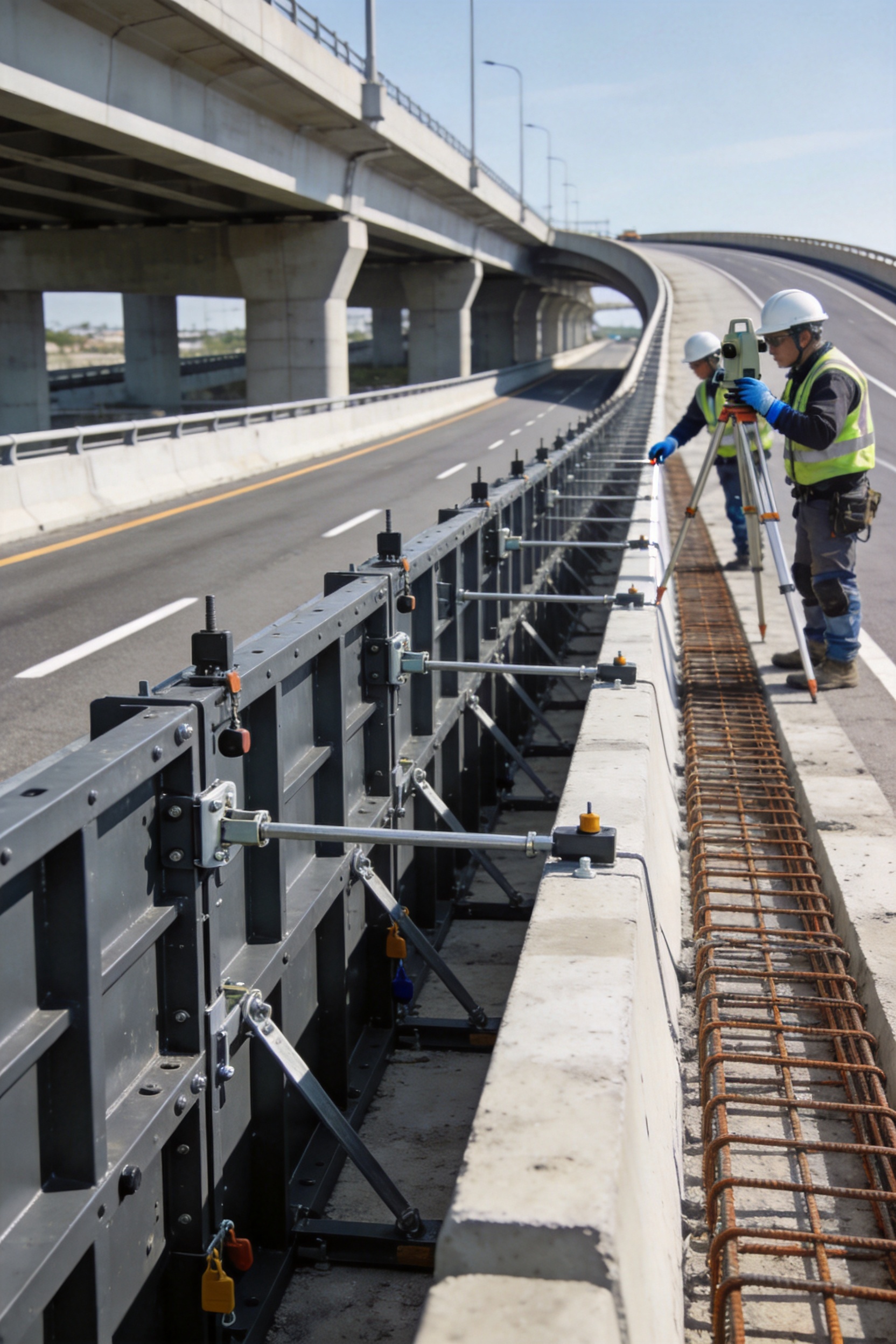
The linear positioning device is used to set the formwork along the required reference line. Survey equipment, measuring tools, or project-specific templates can be used to check horizontal alignment, vertical level, barrier width, and profile dimensions.
Adjacent formwork units should be checked for smooth transitions. Gaps between panels should be minimized and sealed where necessary to prevent cement paste leakage. The support arrangement must be stable enough to resist movement during concrete placement.
5. Surface Preparation
Contact surfaces should be cleaned and coated with a suitable release agent. The release agent should be applied evenly without excessive accumulation. Contamination from dirt, hardened concrete, oil, or loose coating can affect the finished surface and make stripping more difficult.
6. Concrete Placement
Concrete should be placed in accordance with the approved mix design and construction method. Placement speed should be controlled to avoid excessive localized pressure. Mechanical vibration should be applied carefully so that the concrete is adequately compacted without damaging the formwork or causing segregation.
During casting, workers should observe the panels, connections, braces, and positioning devices. Any unexpected movement, leakage, or deformation should be addressed immediately according to the site safety procedure.
7. Initial Curing and Stripping
The concrete should remain in the formwork for the required period, based on the concrete strength development, ambient conditions, project specifications, and structural requirements. Premature stripping can damage edges and corners or reduce the quality of the barrier surface.
Once stripping is approved, quick-release connections can be opened and the formwork removed carefully. Mechanical lifting should use designated lifting points and suitable equipment. Workers should avoid impact against the newly cast barrier.
8. Cleaning and Relocation
After removal, the contact surfaces should be cleaned before concrete residue hardens. Panels should be inspected for damage, deformation, missing parts, and coating defects. The formwork can then be moved to the next casting position and the cycle repeated.
Manufacturing and Engineering Strengths
Zhenjiang Jinhao Road & Bridge Supporting Engineering Co., Ltd. combines steel fabrication experience with bridge construction equipment knowledge. Established in 2017 and located in an industrial park in Zhenjiang, Jiangsu Province, the company has developed from a construction-materials and metal-processing enterprise into a comprehensive road and bridge supporting engineering company.
Its product range includes Bailey steel bridges, Type 321 Bailey truss sections, HD200 and Type 200 Bailey truss sections, triangular and diamond hanging baskets, bridge steel formwork, pier formwork, bridge launching gantry systems, and other engineered steel structures. This broader product background is relevant to crash barrier formwork because it reflects experience with load-bearing steel assemblies, modular connections, transportable components, and construction-site operations.
The company’s services cover design, manufacturing, erection, leasing, technical support, and system planning. This allows customers to obtain more than individual steel panels. Depending on project needs, they can request a coordinated solution that considers formwork geometry, construction sequence, site handling, reuse requirements, and technical assistance.
Integrated Design and Production
Design and fabrication coordination helps reduce the risk of producing components that are difficult to install or incompatible with the actual project. Engineering personnel can review the customer’s dimensions and propose a modular arrangement that balances standardization and customization.
This approach is valuable when the project contains multiple barrier shapes. Standard sections can be used where possible, while special modules are fabricated for curves, transitions, ends, or unusual interfaces. The result is a more efficient system than manufacturing every unit as a unique component.
Experience with Modular Steel Structures
Bailey bridges and bridge launching systems rely on standardized, interchangeable, and transportable steel components. Experience with these systems supports an understanding of modular design principles, connection reliability, lifting requirements, and field assembly.
Although crash barrier formwork is smaller and serves a different function, the same engineering discipline applies. Components must fit together accurately, withstand repeated handling, and support efficient construction cycles.
Flexible Project Support
Different customers require different levels of service. Some contractors need fabricated formwork only, while others require design assistance, erection support, leasing, or a complete system plan. A supplier with multiple service capabilities can adapt its support to the project’s procurement model.
Technical support is particularly useful when the formwork must be integrated with an unusual deck edge, a curved alignment, a restricted access route, or a demanding construction schedule. Early technical communication helps identify these conditions before manufacturing begins.
Quality-Oriented Operating Philosophy
The company emphasizes customer-first service, integrity, pragmatic operation, innovation-driven development, and quality management. In practical terms, these principles should be reflected in accurate drawings, traceable production, careful inspection, responsive communication, and after-sales support.
For infrastructure products, quality is not limited to the appearance of the finished steel. It includes whether the system is easy to assemble, whether the dimensions remain stable during casting, whether components can be reused, and whether the supplier can provide useful technical information throughout the project.
How to Select Suitable Crash Barrier Formwork
Confirm Barrier Geometry
The first step is to confirm the barrier profile and dimensions. Important information includes the overall height, base width, top width, side slope, radius, chamfers, recesses, transitions, and end conditions. Drawings should clearly identify all changes in geometry.
Evaluate the Construction Sequence
The formwork should match the planned casting length, concrete supply, reinforcement schedule, crane capacity, and available labor. A system that is too large may be difficult to move, while a system that is too small may create excessive joints and reduce productivity.
Consider Site Access and Lifting
Bridge decks and urban sites may have limited access for trucks or cranes. The size and weight of each module should be compatible with the available equipment. Lifting points should be clearly identified, and the handling plan should be reviewed before delivery.
Review Reuse Requirements
If the formwork will be used for a long barrier run or multiple projects, durability and maintainability become especially important. Customers should ask about panel thickness, stiffener design, surface treatment, spare parts, cleaning requirements, and storage procedures.
Assess Straight and Curved Sections
The project should identify the quantity of straight formwork, curved formwork, transition pieces, and special end units. Providing the supplier with accurate alignment information helps avoid late modifications and delays.
Request Technical Documentation
Useful documentation may include general arrangement drawings, component lists, connection details, lifting recommendations, assembly instructions, inspection checklists, and maintenance guidance. Clear documentation supports safer and more consistent site operations.
| Selection Item | Questions to Confirm | Why It Matters |
|---|
| Barrier profile | What are the height, width, slope, chamfer, and transition requirements? | Determines panel geometry and finished concrete dimensions |
| Alignment | Is the section straight, curved, or composed of multiple radii? | Determines modular layout and positioning method |
| Casting cycle | How much barrier will be cast in each shift? | Influences module length and productivity |
| Site access | What lifting and transport equipment is available? | Controls module size, weight, and handling method |
| Reuse plan | Will the formwork be used once, repeatedly, or on several projects? | Influences durability, coating, spare parts, and maintenance requirements |
| Technical support | Is design, erection, leasing, or on-site assistance required? | Helps define the appropriate supply and service package |
Maintenance, Storage, and Reuse
Proper maintenance protects the investment in steel crash barrier formwork. After each use, concrete residue should be removed from contact surfaces, joints, buckles, pins, and positioning components. Hardened concrete can interfere with assembly and gradually damage the panel face.
Cleaning should be performed using methods that do not distort the steel or damage protective coatings. Heavy impact with unsuitable tools may create dents or sharp projections. Any damage should be recorded and repaired before the next casting cycle.
Quick-release buckles, pins, bolts, and moving parts should be inspected regularly. Worn or damaged components should be replaced with compatible parts. The linear positioning device should remain clean and accurately adjustable so that it continues to support alignment control.
Formwork should be stored on stable supports rather than directly on wet ground. Panels should be arranged to prevent unnecessary bending, collision, or water accumulation. Curved and special-purpose components should be clearly marked to prevent incorrect installation.
Before reuse, the construction team should inspect panel flatness, frame condition, welds, lifting points, connection holes, release devices, and protective coating. A simple inspection checklist can prevent minor defects from becoming problems during concrete placement.
Safety and Sustainability Considerations
Crash barrier formwork is a construction tool, and its safe use depends on correct design, installation, inspection, and handling. Workers should follow approved lifting plans and use suitable personal protective equipment. Formwork should not be moved while personnel are exposed to suspended loads or unstable components.
Before concrete placement, the assembly must be checked for stability, connection engagement, support condition, and interference with reinforcement. During casting, personnel should monitor the formwork for movement, leakage, or unusual deformation. Any serious abnormality requires the work to be stopped and assessed by responsible technical personnel.
Reusable steel formwork can support sustainability by reducing disposable timber and minimizing repeated material consumption. Its longer service life also spreads the environmental impact of manufacturing across many construction cycles. Efficient formwork turnover can shorten equipment operation time and reduce site disruption.
Steel components can generally be repaired, refurbished, and recycled at the end of their useful service. This makes a durable modular system more compatible with resource-efficient construction than single-use temporary molds.
Frequently Asked Questions
What is the primary purpose of crash barrier formwork?
The primary purpose is to create a precise and stable mold for reinforced concrete crash barriers. It controls the barrier’s dimensions, alignment, surface profile, and continuity during concrete placement and curing.
Can the formwork be used for both straight and curved barriers?
Yes. Straight sections can be produced using standard modular panels, while curved sections require appropriately designed modules or customized components. The required radius and transition geometry should be confirmed before manufacturing.
Why is an integrated linear positioning device important?
It provides a controlled reference for setting the formwork along the required line. This helps reduce cumulative alignment errors and improves the continuity and appearance of long barrier runs.
What are the benefits of quick-release buckles?
Quick-release buckles simplify assembly, stripping, and relocation. They can reduce labor intensity, shorten the formwork turnover cycle, and limit the number of loose connection components used on site.
How does steel formwork compare with timber formwork?
Steel formwork generally provides better dimensional stability, higher reusability, greater resistance to concrete pressure, and more consistent surface quality. Timber formwork may be useful for simple or one-time applications but is more vulnerable to moisture, wear, and site-dependent fabrication accuracy.
Can the formwork be customized?
Yes. Customization may include barrier height, width, profile, curvature, module length, end treatment, positioning arrangement, lifting points, and special transition sections. Accurate project drawings are needed for effective customization.
How many times can the formwork be reused?
Service life depends on the steel design, fabrication quality, concrete pressure, handling methods, cleaning, storage, and maintenance. A properly maintained system can support repeated construction cycles, but the exact reuse quantity should be evaluated through inspection and project conditions.
Does the supplier provide installation support?
Support depends on the agreed service scope. A professional bridge steel formwork supplier may provide design assistance, assembly drawings, technical guidance, erection services, leasing, and project-specific system planning.
What should be checked before concrete placement?
Workers should check the formwork dimensions, alignment, level, connection engagement, panel cleanliness, release agent, reinforcement clearance, embedded items, support stability, joint sealing, and access for concrete placement and vibration.
Is crash barrier formwork suitable for bridge projects?
Yes. Its modular design, manageable components, alignment control, and ability to accommodate bridge-edge geometry make it suitable for bridge decks, bridge approaches, municipal structures, expressways, and other transportation projects.
What information should be provided when requesting a quotation?
Customers should provide barrier drawings, quantities, straight and curved lengths, required radii, construction sequence, project location, available lifting equipment, desired delivery schedule, reuse expectations, and any required technical or erection services.
Conclusion
Crash barrier formwork is a specialized bridge steel formwork system that directly influences the safety, appearance, efficiency, and cost control of concrete barrier construction. Its value comes from the combination of accurate fabrication, rigid steel panels, integrated linear positioning, quick-release buckles, modular connections, and adaptation to straight and curved road sections.
Compared with improvised timber or lightly engineered alternatives, a professional modular system provides better dimensional consistency, improved resistance to concrete pressure, faster assembly and stripping, lower labor intensity, better reusability, and more predictable surface quality. These advantages become increasingly important on long highway projects, bridge decks, expressways, municipal roads, and complex urban alignments.
The manufacturing process is equally important. Engineering review, controlled material preparation, accurate cutting, disciplined welding, trial assembly, dimensional inspection, surface treatment, organized packaging, and technical support all contribute to reliable performance. A supplier with broader experience in Bailey bridges, launching gantries, hanging baskets, pier formwork, and engineered steel structures can offer valuable insight into modular steel design and construction-site requirements.
Zhenjiang Jinhao Road & Bridge Supporting Engineering Co., Ltd. provides design, manufacture, erection, leasing, and technical support for road and bridge steel systems. Its experience in bridge-related equipment and steel fabrication enables it to support customers seeking customized and practical crash barrier formwork solutions.
For contractors and infrastructure owners, the best formwork choice is not simply the lowest initial price. The more complete evaluation should include precision, installation speed, reuse potential, technical support, adaptability, maintenance, and the supplier’s ability to deliver a dependable system for actual site conditions. When these factors are considered together, high-quality crash barrier formwork becomes an important investment in safer, faster, and more consistent road construction.
References
1. American Association of State Highway and Transportation Officials, guidance on roadway safety hardware and concrete barrier applications.
2. European Committee for Standardization, standards and guidance concerning temporary works, concrete construction, and formwork performance.
3. International Organization for Standardization, quality management principles for manufacturing and engineering service organizations.
4. American Concrete Institute, recommendations concerning formwork for concrete construction and concrete placement practices.
5. International Labour Organization, guidance on construction-site safety, lifting operations, and temporary works.
6. General technical literature on modular steel bridges, bridge construction equipment, reusable steel formwork, and highway infrastructure engineering.


 Français
 Español
 عربى