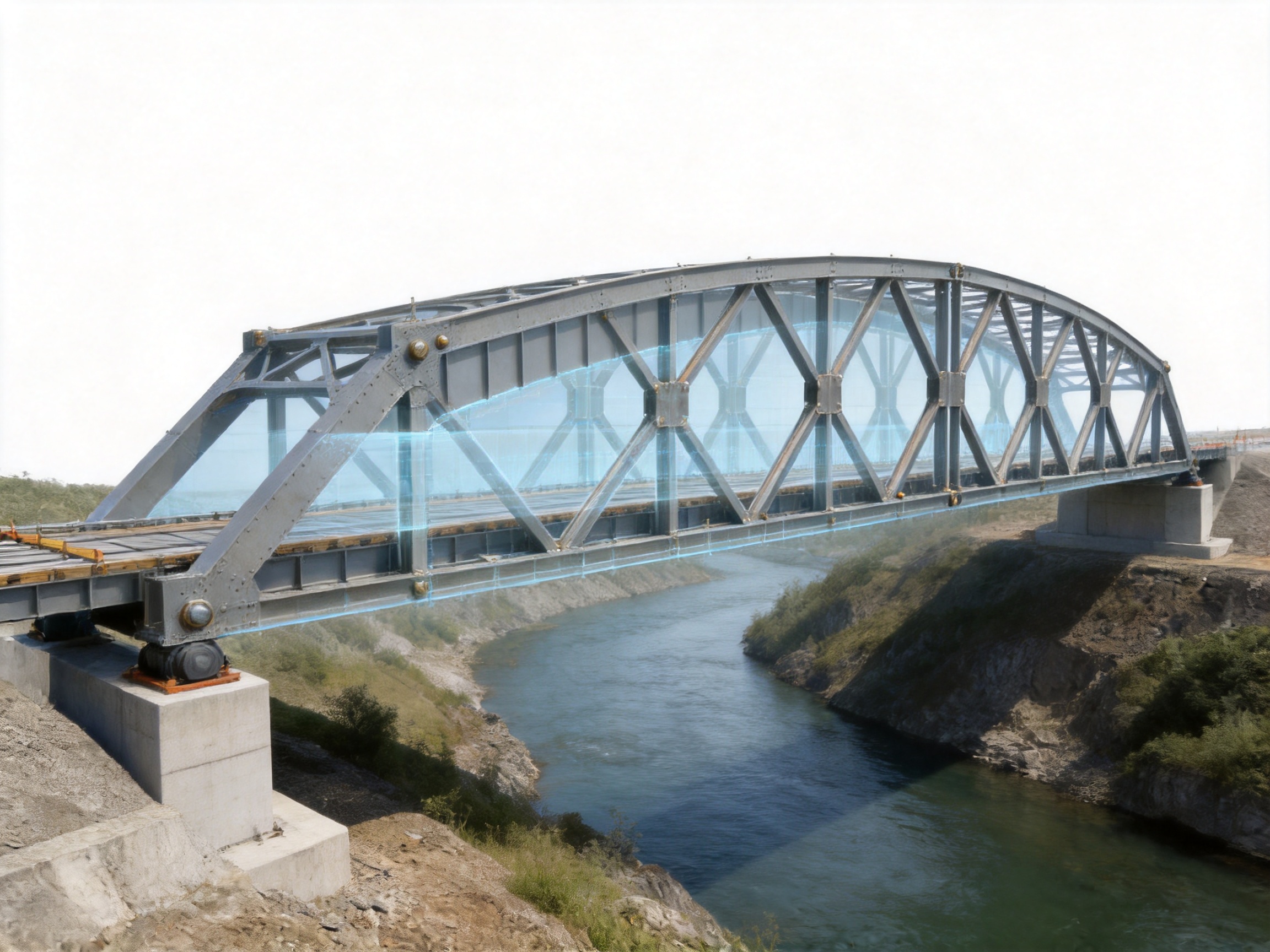
Temporary and semi-permanent bridge projects require structural systems that combine load-bearing reliability, rapid assembly, transport efficiency, and adaptability to changing site conditions. The Type 321 Pre-Cambered Series is designed to address these requirements through a standardized modular truss system with integrated cambering capabilities. Based on the widely used 3-meter modular span arrangement, this series is suitable for temporary steel bridges, emergency crossings, construction trestles, formwork support systems, bridge erection works, and other infrastructure applications where dependable steel support is essential.
The system is developed around the compatibility and interchangeability principles of the Type 321 Bailey bridge family. Its standardized components allow contractors to plan, assemble, modify, dismantle, and reuse bridge structures with a high degree of efficiency. At the same time, the pre-cambered design improves deflection control compared with ordinary flat or non-cambered modular trusses. By introducing an appropriate upward preset deformation before loading, the structure can better compensate for service deflection caused by vehicles, construction equipment, materials, and other concentrated loads.
The Type 321 Pre-Cambered Series includes standard, reinforced, and heavy-duty heightened configurations. This product range enables engineers to select a suitable structural level according to span length, loading condition, erection method, traffic requirements, and project duration. The standard configuration is intended for conventional highway and construction loads over approximately 12 to 36 meters. The reinforced configuration uses an integrated strengthened chord to improve rigidity and increase bearing capacity by more than 20 percent under appropriate structural arrangements. The heavy-duty heightened configuration provides increased preset camber for ultra-large spans from approximately 36 to 60 meters and for multilayer, double-row, or other composite configurations.
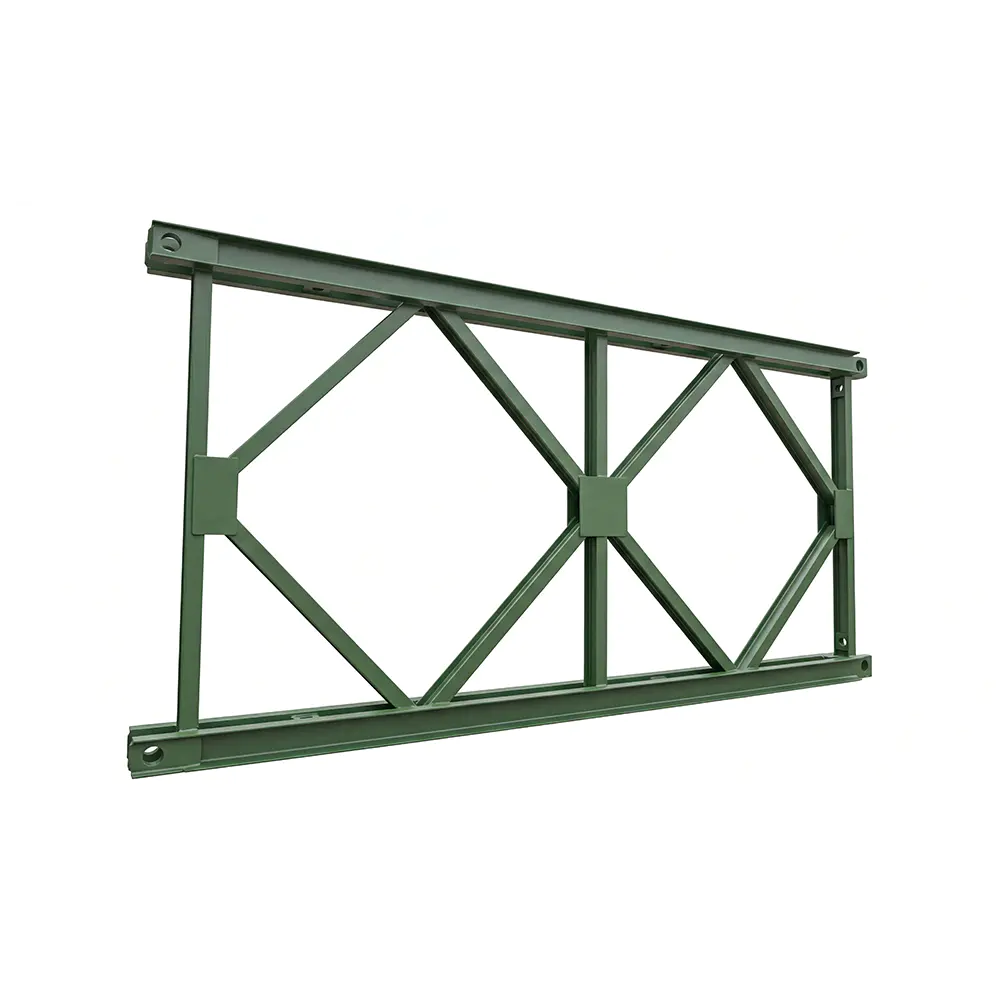
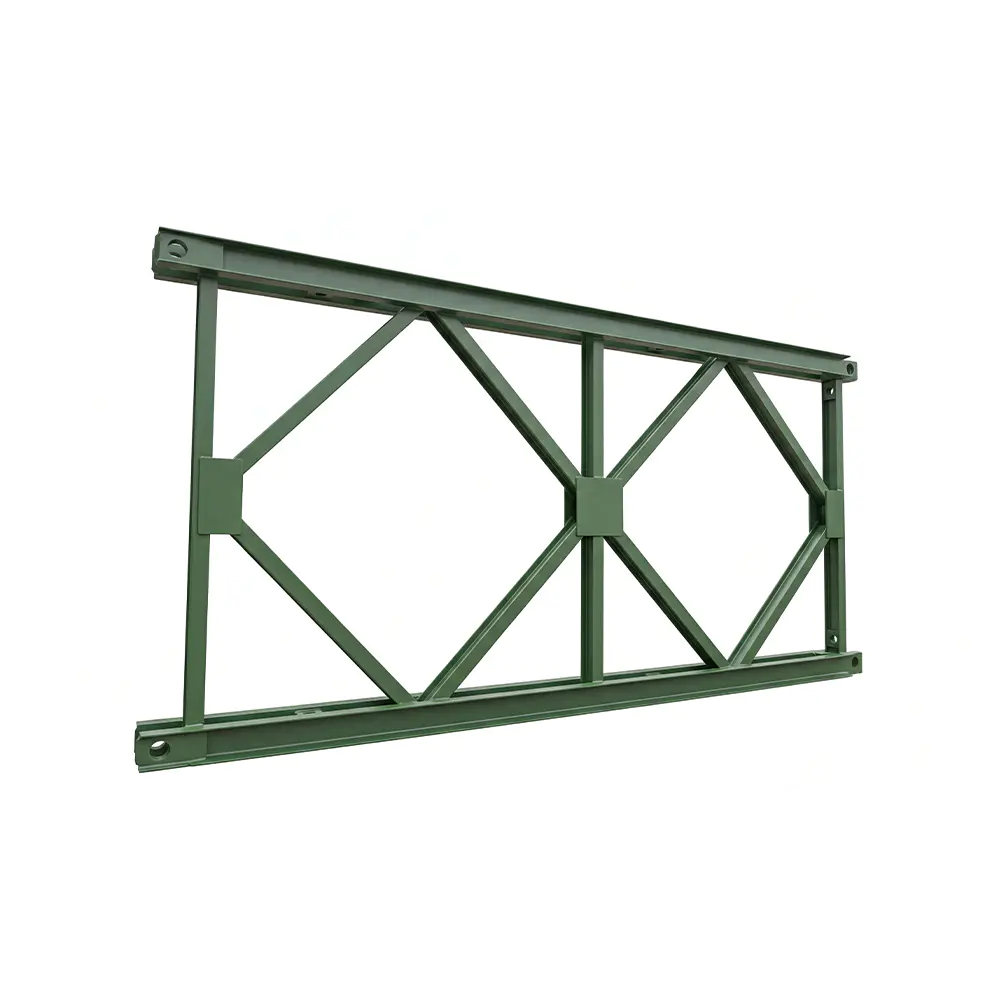
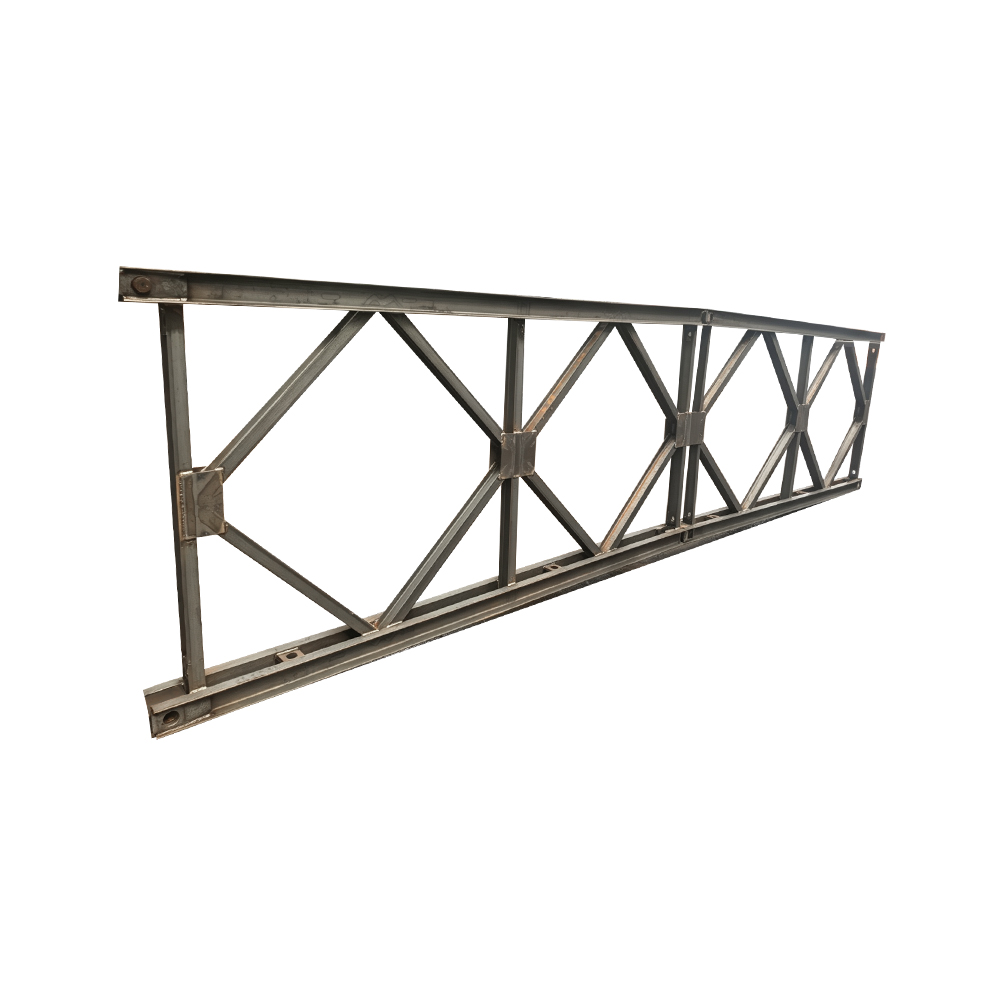
Manufactured from Q355B low-alloy structural steel, the system combines strength, weldability, durability, and practical fabrication performance. Each principal panel is approximately 3,000 millimeters long and 1,500 millimeters high, with a single-piece weight of approximately 270 kilograms. These dimensions provide a useful balance between structural efficiency and handling convenience. Components can be transported using ordinary project logistics equipment and positioned through cranes, lifting devices, or controlled manual assembly methods depending on site conditions.
Type 321 Pre-Cambered Series
1. The Engineering Purpose of a Pre-Cambered Bailey Truss
A Bailey truss is a modular steel bridge system formed by connecting standardized panels and supporting members into a continuous structural assembly. Its principal advantage is that the bridge can be built from repeatable components rather than from a completely customized steel superstructure. This reduces fabrication complexity, simplifies transportation, and allows a project team to adapt the final bridge arrangement to the required span and load.
However, every bridge structure experiences deformation when it carries a load. The amount of deformation depends on span length, stiffness, support conditions, panel arrangement, connection behavior, live load distribution, and the condition of the materials. On short spans, ordinary deflection may be small enough to remain within practical limits. On medium and long spans, however, accumulated deformation may affect ride quality, drainage, clearance, equipment operation, or the alignment of formwork and construction platforms.
Pre-cambering addresses this issue by giving the unloaded truss a controlled upward curvature or preset deformation. When the structure is loaded, part of this upward camber is consumed by downward deflection. The bridge can therefore maintain a more favorable working profile under service conditions than a comparable non-cambered structure. Pre-cambering does not eliminate structural deflection, and it does not replace engineering verification. Instead, it is a practical design measure that improves deflection control and service performance.
The Type 321 Pre-Cambered Series applies this principle to a standardized modular bridge format. The result is a product that preserves the interchangeability of conventional Bailey components while providing improved control for projects where ordinary modular trusses may approach their practical deflection limits.
1.1 Standardized 3-Meter Modular Span
The series is designed around a 3-meter standard span module. This dimensional basis helps engineers create bridge lengths by combining repeatable sections rather than fabricating an entirely new structure for every project. Standardization also helps reduce errors during material planning, shop production, packaging, transportation, and on-site erection.
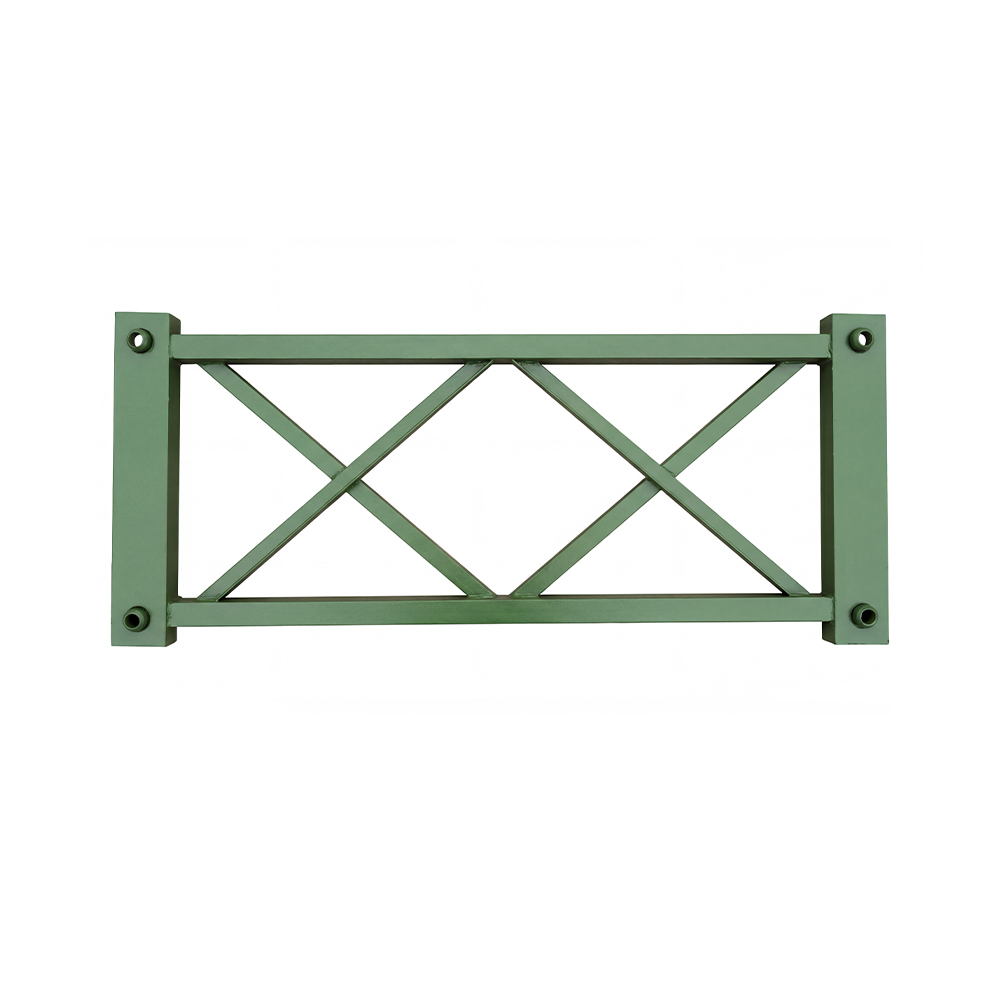
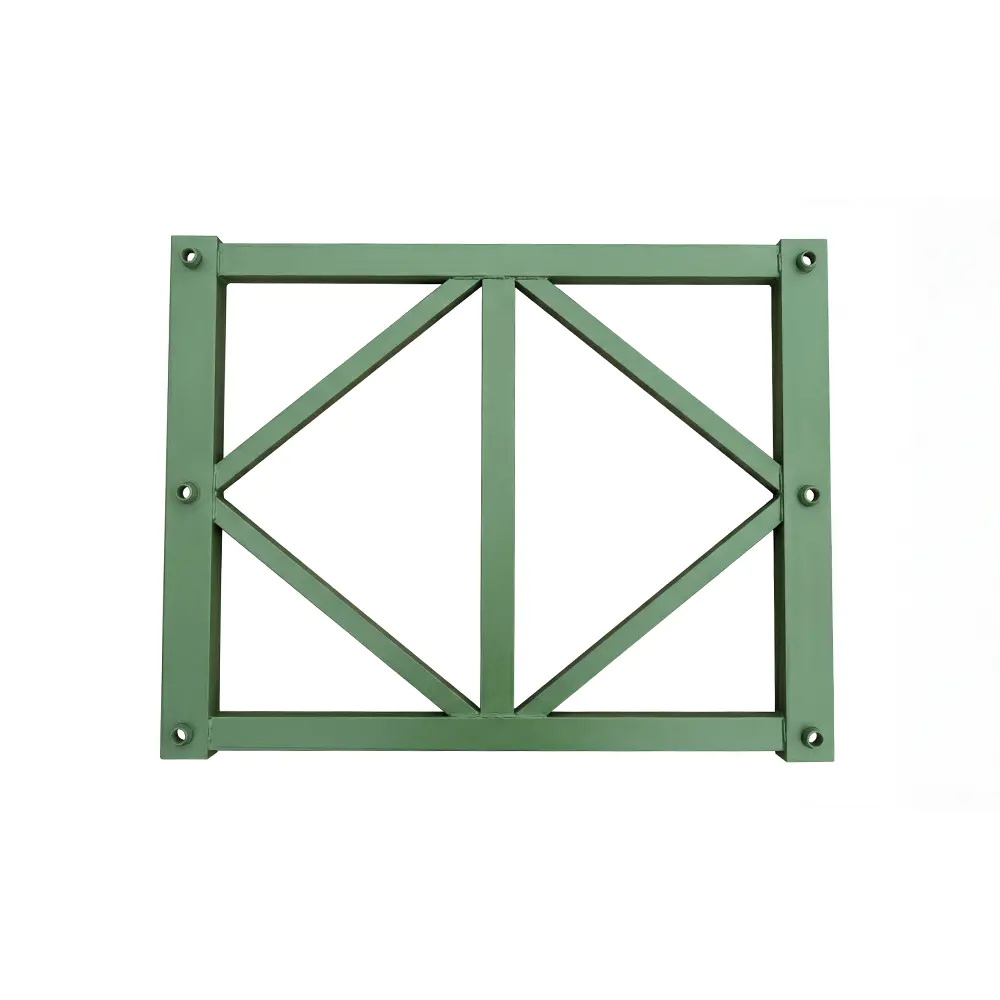
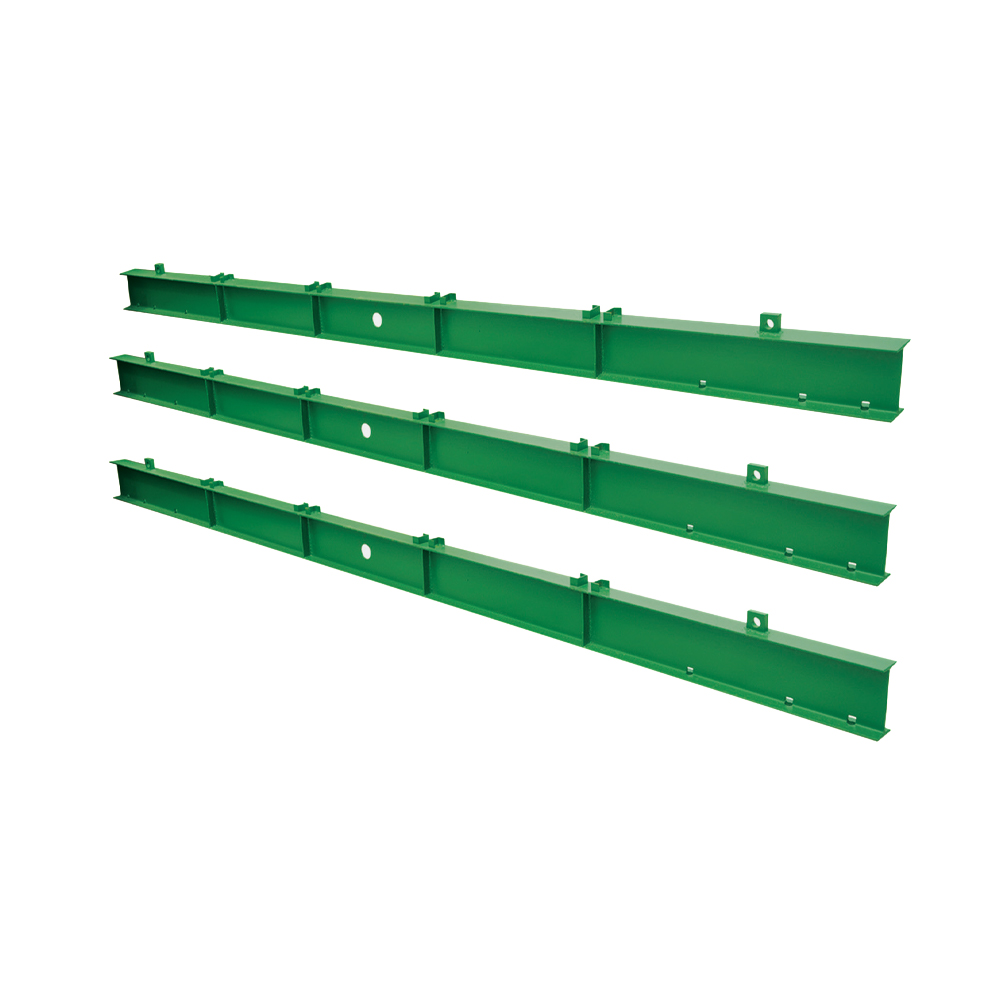
Because the components follow a recognized Type 321 arrangement, the product is compatible with the full range of standard 321 accessories. These may include connecting pins, panel connections, transoms, bracing components, deck support members, end posts, sway bracing, and other related items, subject to the final design and configuration. Compatibility is especially valuable for contractors that already own Type 321 inventories or regularly work with modular steel bridge systems.
The use of common accessories can reduce the need for specialized replacement parts and supports faster maintenance. It also enables project teams to combine newly manufactured pre-cambered elements with suitable existing components when the engineering design confirms compatibility. This creates a more flexible asset management model and can improve the utilization rate of previously purchased bridge equipment.
1.2 Controlled Deflection for Practical Construction Conditions
Deflection control is important in temporary bridge projects because these structures often carry moving vehicles, cranes, concrete delivery equipment, reinforcement materials, lifting devices, and construction crews. Loads may not be distributed as evenly as they are in a permanent bridge designed for controlled traffic flow. A heavy machine may produce a concentrated reaction at a limited number of panel locations, while construction operations can create temporary load patterns that change rapidly.
The pre-cambered configuration improves the bridge’s ability to maintain its intended geometry during these working conditions. It is particularly useful when a project requires a stable platform for construction traffic, a support line for formwork, or a guide structure for bridge erection. Maintaining better alignment can also reduce secondary problems such as localized deck settlement, uneven access, excessive vibration, and interference between the bridge and adjacent construction equipment.
For large-span structures, pre-cambering is even more important because geometric changes become more noticeable as the span increases. The heavy-duty heightened configuration is intended to address such conditions by using an increased preset camber. When correctly selected and installed according to an approved structural design, it can help reduce the visual and functional effects of sagging deformation in large-span steel bridge arrangements.
2. Product Configurations and Application Range
The Type 321 Pre-Cambered Series is divided into three principal specification levels: standard, enhanced, and heavy-duty high-type. Each level is intended for a different range of structural demand. Selecting the correct configuration requires consideration of span, traffic class, support spacing, loading type, bridge width, number of truss lines, construction sequence, and environmental conditions.
| Item | Standard Configuration | Enhanced Configuration | Heavy-Duty High-Type Configuration |
|---|
| Primary purpose | Conventional highway and construction loading | Higher rigidity and increased load-bearing demand | Large spans and heavy concentrated loads |
| Typical span range | Approximately 12–36 meters | Project-specific, based on reinforced arrangement | Approximately 36–60 meters |
| Camber arrangement | Standard fixed pre-camber | Reinforced pre-cambered chord | Heightened preset pre-camber |
| Typical applications | Temporary bridges, emergency crossings, access bridges | Construction trestles, heavy temporary access, hanging-basket main trusses | Large-span temporary bridges, multilayer and double-row structures |
| Structural objective | Balanced economy and deflection control | Improved rigidity and more than 20 percent higher bearing capacity under suitable conditions | Enhanced control of large-span sagging and concentrated loads |
2.1 Standard Configuration
The standard model is intended for conventional highway load scenarios and general construction access requirements. It is suitable for approximate spans from 12 to 36 meters, depending on the final bridge arrangement and engineering calculations. This configuration can support the loads associated with conventional construction vehicles and temporary traffic when the system is properly assembled and supported.
Its main value is balanced performance. It provides the benefits of a pre-cambered structure without unnecessarily increasing the steel quantity or complexity for applications that do not require an enhanced truss. For many emergency bridges, temporary access bridges, and short-to-medium construction crossings, the standard model offers a practical combination of capacity, cost-effectiveness, and installation speed.
The standard configuration can also be used as a support structure for temporary work platforms, service crossings, and material transportation routes. Its modular nature allows the bridge width and truss arrangement to be adjusted according to traffic needs and the available number of components. However, the final configuration must always be checked for lateral stability, deck capacity, connection forces, support reactions, and site-specific conditions.
2.2 Enhanced Configuration
The enhanced model incorporates an integrated pre-cambered reinforced chord. This additional strengthening improves overall rigidity and increases the load-bearing capacity by more than 20 percent under the stated product arrangement. The reinforced chord is especially valuable where the bridge must resist higher construction loads, stronger dynamic effects, or more demanding deflection requirements.
This configuration is suitable for construction trestles, heavy equipment access, main trusses of hanging baskets, and other support systems where a standard Bailey arrangement may not provide sufficient stiffness. In bridge construction, a truss may be exposed to repeated equipment movement, temporary material storage, lifting operations, concrete placement, and shifting loads. The reinforced version provides an additional structural reserve for these demanding conditions.
The enhanced model also offers a practical alternative to designing a completely custom steel girder for every project. It retains the modular logic of the Type 321 system while adding strength where it is needed most. This can shorten engineering and procurement cycles, especially for contractors that require repeatable solutions across multiple construction sites.
2.3 Heavy-Duty High-Type Configuration
The heavy-duty high-type model is developed for ultra-large spans from approximately 36 to 60 meters and for multilayer, double-row, or other composite structures. It uses an increased preset camber to address the greater geometric sensitivity of long-span arrangements. The product is intended for concentrated loads from heavy vehicles, cranes, construction machinery, and other equipment that may operate on or above the bridge.
Large-span temporary bridges often face a combination of challenges: increased bending effects, greater deflection, more demanding stability requirements, and higher sensitivity to installation tolerances. The heavy-duty high-type configuration responds to these challenges by combining the modular Type 321 concept with a stronger cambering strategy and a more substantial structural arrangement.
When incorporated into a correctly engineered multilayer or double-row structure, the heavy-duty configuration can provide a stable temporary support system for infrastructure projects. It is particularly suitable where a project must cross a wide opening without installing intermediate supports, or where support columns would obstruct waterways, roads, railways, work zones, or existing facilities.
3. Material Selection and Structural Performance
The main structural material used for the series is Q355B low-alloy structural steel. This grade is widely recognized for its combination of yield strength, weldability, toughness, and availability. The use of a low-alloy structural steel provides a reliable basis for manufacturing load-bearing panels, chords, connection elements, and reinforcement members.
Material selection affects more than ultimate strength. It also influences welding behavior, dimensional stability, fatigue performance, corrosion protection, repairability, and long-term service reliability. A bridge component may be assembled and dismantled many times during its service life. It must therefore tolerate transportation, lifting, connection, repeated loading, and exposure to outdoor conditions without unnecessary deterioration.
Q355B steel is suitable for a manufacturing process that includes cutting, forming, welding, straightening, inspection, surface preparation, and protective coating. The final performance of a modular bridge depends not only on the nominal steel grade but also on traceability, fabrication accuracy, welding quality, heat control, connection fit, and coating quality. For this reason, responsible production management is essential.
3.1 Panel Geometry
The standard panel size is approximately 3,000 millimeters by 1,500 millimeters, and the single-piece weight is approximately 270 kilograms. This size allows the panels to provide meaningful structural capacity while remaining manageable for logistics and erection planning. The repeated dimensions also simplify loading calculations, storage, lifting plans, and inventory control.
Panel geometry must be consistent because even small dimensional variations can accumulate across a long bridge. Accurate hole positions, connection clearances, chord alignment, diagonal member dimensions, and end-face tolerances all affect the ease of assembly. Dimensional control is therefore a central part of the manufacturing process.
3.2 Connection Reliability
Modular bridge systems depend on repeated connections. A panel that is strong in isolation will not perform as intended if connection holes are misaligned, pins cannot be properly installed, or contact surfaces are damaged. The Type 321 compatibility principle helps create a familiar connection arrangement for contractors and maintenance teams, while controlled production ensures that new components can be used with suitable standard accessories.
Connection areas are inspected for fit, deformation, weld quality, surface defects, and dimensional compliance. During site assembly, the installation team must ensure that pins, bolts, bracing members, transoms, and deck supports are fully engaged and correctly secured. The bridge should not be loaded until the designated inspection steps are completed.
3.3 Camber Accuracy
Camber is a functional feature rather than a cosmetic detail. If the preset deformation is inconsistent from one component to another, the completed bridge may not achieve the intended geometry. Manufacturing must therefore control the position and shape of pre-cambered chords, the accuracy of reinforced members, and the relationship between individual panels and the complete truss arrangement.
Camber verification may include dimensional measurement, fixture inspection, trial assembly, and comparison with approved fabrication drawings. Depending on the project, the engineering team may also specify site monitoring during erection. Measurements can be taken at key stages, including before loading, during initial loading, and during operation, to confirm that the bridge behaves within the expected range.
4. Advanced Manufacturing Process
The performance of a pre-cambered modular bridge begins in the factory. A reliable manufacturing process converts design requirements into repeatable components with controlled geometry and consistent material quality. Zhenjiang Jinhao Road & Bridge Supporting Engineering Co., Ltd. has developed its business around the design, manufacture, erection, and leasing of Bailey bridges, launching gantry systems, hanging baskets, pier formwork, and other engineered steel structures.
The company’s experience across these product categories supports a manufacturing approach that considers the full project life cycle. A bridge component must be suitable not only for production, but also for transportation, erection, loading, dismantling, storage, inspection, and reuse. This practical understanding helps the manufacturer focus on features that matter to contractors in real construction environments.
4.1 Engineering Review and Production Planning
Production normally begins with a review of the required span, load standard, bridge width, truss arrangement, camber level, accessory compatibility, surface treatment, and delivery conditions. For a standard project, repeatable drawings and established production procedures can accelerate preparation. For a more complex project involving heightened camber, multilayer trusses, or double-row structures, the manufacturing plan must be coordinated closely with the structural design.
Material requirements, cutting lists, welding sequences, fixtures, inspection points, and packing arrangements are planned before fabrication begins. This reduces production interruptions and helps ensure that all components required for a complete bridge system are available when needed. It also supports more accurate cost estimation and delivery scheduling.
4.2 Steel Material Control
Incoming steel is checked against the procurement specification and relevant quality documentation. Material identification helps maintain traceability from raw plate or section steel to the finished component. Proper storage protects steel from excessive moisture, contamination, accidental impact, and confusion between different grades or thicknesses.
Material preparation includes marking, cutting, drilling, forming, and edge treatment. CNC or controlled mechanical methods may be used where appropriate to improve repeatability. Accurate preparation is particularly important around pin holes, connection plates, chord interfaces, and reinforcement details.
4.3 Welding and Assembly
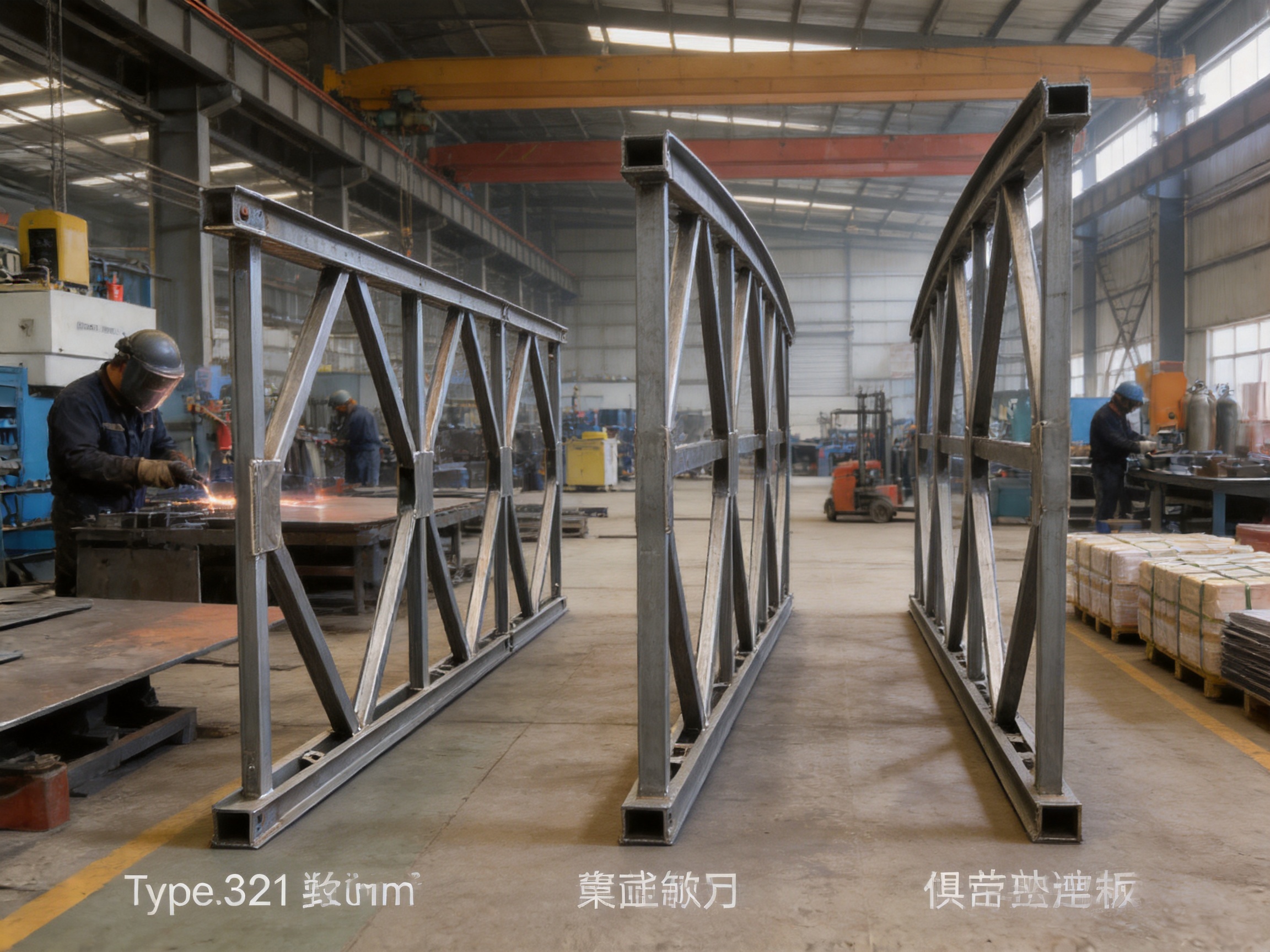
Welding is one of the most important production operations for steel truss components. A controlled welding procedure helps reduce distortion, incomplete fusion, undercut, porosity, and residual stress. Welders should work according to approved procedures, using suitable consumables and appropriate preheating or interpass controls where required by the material and joint design.
Fabrication fixtures help hold members in the correct position during tack welding and final welding. By controlling the assembly relationship between chords, diagonals, connection plates, and reinforcing members, fixtures can reduce dimensional variation between repeated panels. Weld sequences are selected to balance heat input and minimize distortion.
After welding, components may undergo cleaning, straightening, and dimensional correction within acceptable limits. Critical welds and connection regions are inspected according to the applicable project quality plan. Depending on the requirements, inspection may include visual examination, dimensional inspection, non-destructive testing, and load or trial verification for selected assemblies.
4.4 Pre-Cambered Chord Production
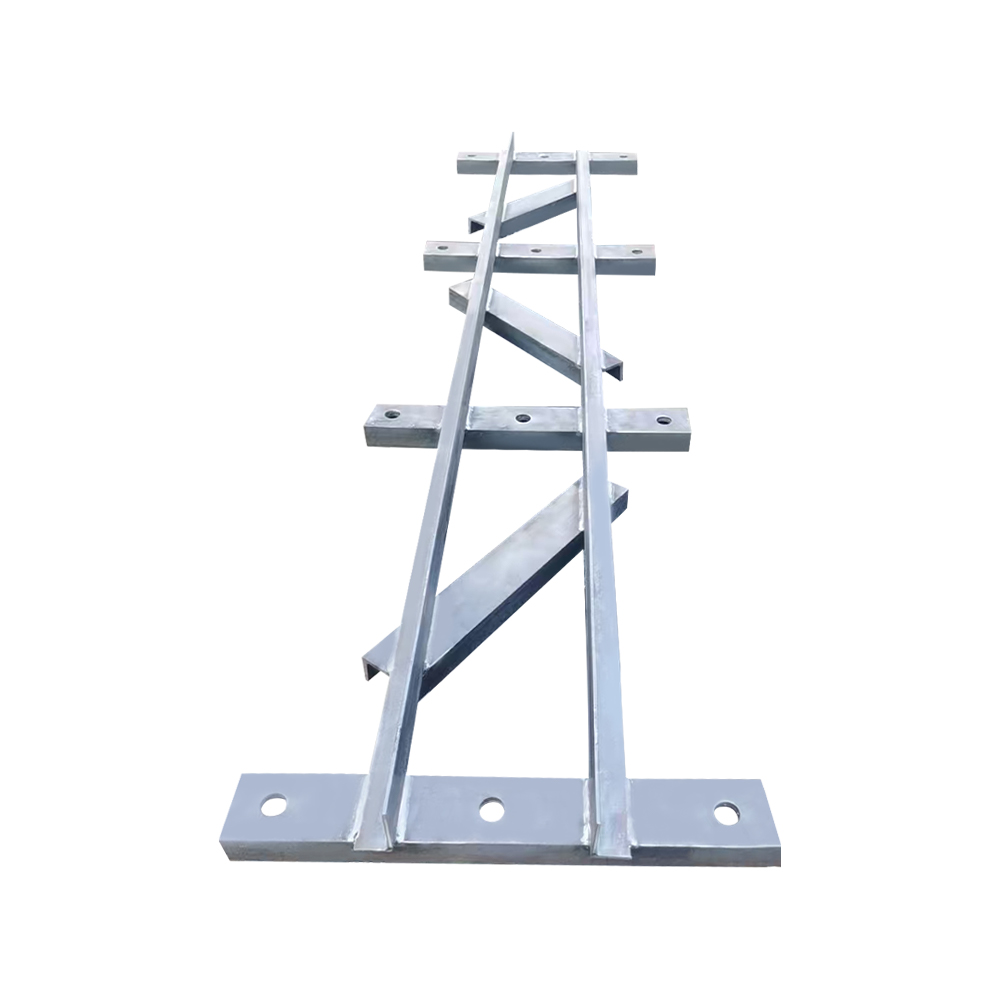
The pre-cambered chord requires particular attention because its geometry directly affects the working profile of the truss. The chord is formed or assembled using controlled fixtures that establish the specified camber. Reinforced and heavy-duty versions require additional coordination between the principal chord, strengthening elements, and connection points.
Quality personnel verify that the pre-camber is consistent with the approved drawings and that the chord does not contain unintended kinks, local buckling, or excessive residual deformation. The completed panel is checked for overall length, height, hole location, end alignment, and compatibility with standard Type 321 accessories.
4.5 Surface Preparation and Protection
Steel bridges are exposed to rain, humidity, dust, road salts, construction chemicals, and other corrosive influences. The product can receive sandblasting for rust prevention followed by painting or hot-dip galvanizing, depending on the project environment and service requirements.
Sandblasting removes rust, mill scale, and surface contaminants so that protective coatings can bond effectively. Painting systems may include primer, intermediate coat, and finish coat selected according to the expected exposure conditions. Hot-dip galvanizing provides a zinc coating that offers sacrificial protection and can be advantageous for components exposed to persistent moisture or difficult maintenance conditions.
Surface treatment is not only an aesthetic step. Coating thickness, surface cleanliness, drying conditions, edge coverage, repair of damaged areas, and storage practices all influence corrosion performance. The appropriate treatment should be selected with consideration for project duration, climate, transportation, assembly damage, maintenance access, and reuse cycles.
4.6 Final Inspection and Packing
Before dispatch, finished components are checked for dimensions, coating condition, identification marks, connection fit, visible defects, and completeness. Components may be grouped according to erection sequence to make site operations faster and reduce the possibility of missing parts.
Proper packing protects panel edges, connection areas, coated surfaces, and lifting points during transport. Clearly identified bundles help contractors locate the required components quickly. Efficient packing also improves container or truck utilization and can reduce unnecessary logistics costs.
5. Advantages Compared with Conventional Modular Trusses
The Type 321 Pre-Cambered Series has several advantages compared with ordinary non-cambered modular trusses and fully customized temporary steel bridges. These advantages do not remove the need for design verification, but they provide a strong starting point for projects that require flexible and reusable structural equipment.
5.1 Improved Deflection Control
The most significant difference is the use of preset camber. A conventional flat truss begins from an uncambered position and moves downward under load. A pre-cambered truss begins with an upward profile designed to offset a portion of the expected service deflection. This can produce a more acceptable loaded geometry and reduce concerns about minor bridge sagging.
For construction platforms and access bridges, improved geometry can support smoother vehicle movement and better alignment with adjacent work areas. For formwork support, it can help maintain the intended elevation of concrete elements and reduce the risk of unwanted settlement during construction.
5.2 Strong Compatibility
Some specialized bridge products require dedicated accessories, unique replacement parts, or proprietary erection tools. The Type 321 Pre-Cambered Series is designed to remain compatible with the full range of standard Type 321 accessories. This is a major practical advantage for contractors with existing inventories, because it supports component sharing and reduces dependence on a single new accessory system.
Compatibility can also simplify training. Erection teams familiar with Type 321 bridge systems can transfer their knowledge to the pre-cambered version, subject to the project-specific drawings and installation procedures. Familiar connection methods can reduce the learning curve and help improve site productivity.
5.3 Three Levels for Different Loads
A single fixed configuration cannot efficiently serve every project. The three-level product range allows the engineer to match structural performance to actual project needs. The standard model avoids unnecessary reinforcement for ordinary spans, the enhanced model provides additional rigidity for more demanding loads, and the heavy-duty high-type model addresses large spans and concentrated heavy loads.
This graduated approach can improve cost control. Customers do not need to select an oversized custom system for a moderate project, while projects with severe loading or long spans can obtain a more suitable configuration without abandoning the modular system.
5.4 Faster Construction and Reuse
Modular components can be transported to a project, assembled in a controlled sequence, and dismantled after the temporary works are complete. The same components can then be inspected, repaired if necessary, and reused on another project. This improves asset productivity and can reduce the material waste associated with one-time temporary structures.
Compared with a fully welded bridge fabricated for a single location, the modular system can offer a shorter deployment cycle. It may also reduce the amount of hot work required at the site, which is beneficial in areas with restricted access, environmental constraints, traffic management limitations, or fire-control requirements.
5.5 Practical Transport and Handling
The approximate 270-kilogram unit weight provides a workable balance between structural size and handling requirements. Components can be transported as organized bundles and lifted using commonly available site equipment. This is helpful for remote projects, emergency bridges, flood recovery works, and temporary crossings where logistics are difficult.
Standardized dimensions make it easier to prepare transport plans. Contractors can estimate the number of panels, calculate bundle weights, organize unloading areas, and plan the movement of components from storage to the assembly zone.
6. Application Scenarios
6.1 Temporary Highway Bridges
The series can be used for temporary highway crossings where an existing bridge is being repaired, widened, replaced, or inspected. It can maintain access for vehicles and local traffic while permanent works proceed. The bridge arrangement must be designed for the applicable highway traffic class, vehicle dimensions, approach geometry, and local safety requirements.
6.2 Emergency and Disaster-Relief Bridges
Floods, earthquakes, landslides, accidents, and other events can damage permanent roads and bridges. A modular pre-cambered bridge can provide a rapid route for emergency vehicles, rescue equipment, supplies, and local transport. Its repeatable components and established assembly logic are useful where deployment time is critical.
Emergency projects often involve uncertain ground conditions and limited access. Before installation, the project team must verify abutment stability, foundation bearing capacity, water flow, scour risk, approach embankments, and traffic control. The pre-cambered truss is only one part of the complete emergency bridge system.
6.3 Construction Trestles
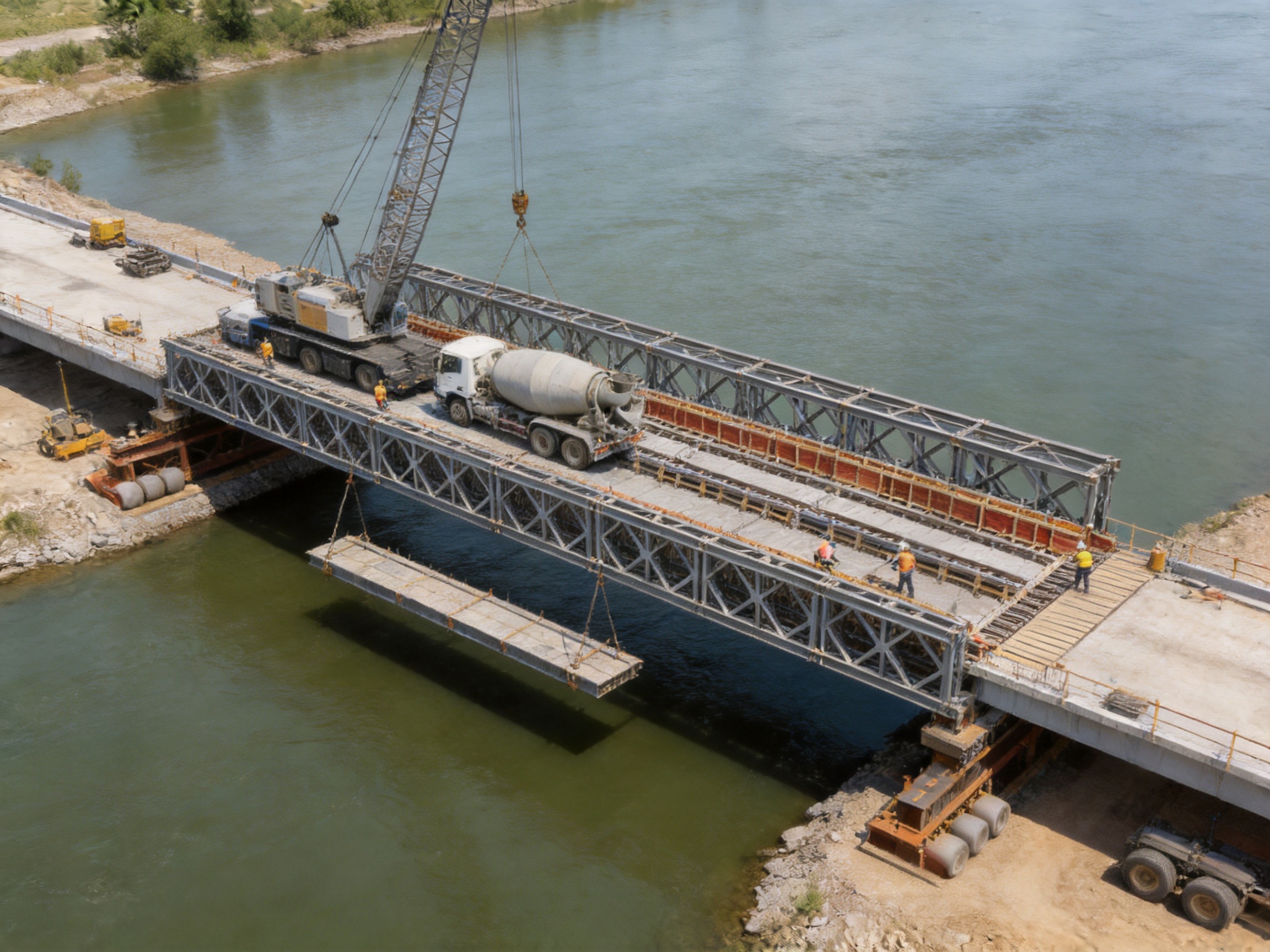
Construction trestles provide access across rivers, valleys, road corridors, railways, and industrial sites. They may carry trucks, cranes, concrete mixers, reinforcement materials, temporary pipelines, or personnel. The enhanced configuration is especially suitable when the trestle must support substantial construction loads and repeated movement.
For a trestle, the design must consider both vertical and horizontal actions. Braking forces, acceleration, wind, impact, vibration, lateral movement, and uneven loading can affect the truss and its supports. Proper bracing, deck fixation, approach transitions, and inspection procedures are essential.
6.4 Formwork Support Systems
Bridge construction often requires temporary support for formwork, reinforcement, concrete placement, and curing operations. A pre-cambered truss can function as a support line or temporary access structure where the required geometry and load capacity are confirmed by engineering calculations.
Stable deflection control is valuable in these applications because excessive movement during concrete placement may affect the final shape of the bridge element. The support system must be designed for wet concrete weight, reinforcement, workers, equipment, construction impact, and any temporary eccentricity.
6.5 Hanging-Basket and Bridge-Erection Support
The reinforced configuration can be used for the main trusses or support structures associated with hanging-basket construction and other bridge erection operations. These systems may experience changing loads as segments are placed, equipment moves, and construction stages advance. The strengthened chord and pre-cambered arrangement can help provide the rigidity needed for controlled erection.
Because bridge erection is highly sequence-dependent, the manufacturer and contractor should coordinate the component configuration with the construction method. Temporary stages, lifting points, support reactions, and allowable deflection should be clearly defined before work begins.
6.6 Semi-Permanent Access Bridges
Some projects require an access bridge for several months or years rather than for only a short construction phase. In such cases, a modular bridge can offer a practical semi-permanent solution. Appropriate coating, drainage, inspection, deck maintenance, and corrosion protection become increasingly important as the service period increases.
7. Design and Erection Considerations
The product’s standardization simplifies design, but every bridge must still be checked for its actual conditions. Span length alone does not determine the required configuration. Engineers should consider the number of truss lines, bridge width, deck system, vehicle axle arrangement, impact factor, wind exposure, support settlement, lateral bracing, longitudinal bracing, fatigue, and construction sequence.
7.1 Site Investigation
The supporting foundations or abutments must be capable of resisting vertical reactions, horizontal forces, overturning effects, and possible scour. Temporary bridge projects sometimes focus heavily on the steel superstructure while underestimating the importance of the supports. A strong truss cannot compensate for unstable foundations or uneven settlement.
Site investigation should include ground conditions, water levels, flood history, access for cranes and transport vehicles, overhead restrictions, nearby utilities, traffic interfaces, and environmental limitations. These findings influence the span arrangement, erection method, temporary works, and safety plan.
7.2 Bridge Arrangement
The engineer determines whether a single-row, double-row, multilayer, or other composite arrangement is appropriate. The choice depends on the design load and the available support conditions. Increasing the number of truss lines can improve capacity and stiffness, but it also increases weight, connection requirements, deck width considerations, and erection complexity.
The heavy-duty high-type configuration is particularly relevant for large spans and composite structures. However, its use should be based on a complete structural analysis rather than on span length alone. The final design should verify bending, shear, compression, tension, local stability, connection forces, lateral stability, and serviceability.
7.3 Erection Sequence
Modular Bailey bridges are often assembled on one side of an obstacle and launched into position. The launching nose, rollers, temporary supports, counterweights, and launching equipment must be selected according to the bridge mass, span, camber, and site geometry. The pre-cambered profile must be considered during launching because the bridge’s geometry changes as it moves over the supports.
Another method is lifting or crane erection, which may be suitable where access allows large lifting equipment. The selection depends on the available work area, waterway restrictions, traffic conditions, and project schedule. In all cases, the erection sequence should define when bracing, decking, pins, bolts, and support restraints are installed.
7.4 Inspection Before Loading
Before the bridge is opened to traffic or construction loading, the installation team should verify that all panel connections are fully engaged, bracing members are installed, deck components are secured, support bearings are correctly positioned, and temporary erection devices have been removed or released as required.
The bridge alignment, camber, deck level, approach transitions, guardrails, drainage, and signage should also be inspected. Any deviation from the approved configuration should be reviewed by the responsible engineer before loading begins.
8. Quality Management and Company Strengths
Zhenjiang Jinhao Road & Bridge Supporting Engineering Co., Ltd. was established in 2017 and is located in an industrial area of Dantu District, Zhenjiang City, Jiangsu Province. Its location provides practical access to regional transport networks and supports the movement of steel materials, fabricated components, and complete bridge systems.
The company has developed from a business focused on construction materials, industrial materials, and metal processing materials into a comprehensive engineering enterprise. Its current capabilities cover the design, production, erection, and leasing of Bailey bridges, launching gantry systems, hanging baskets, pier formwork, bridge steel formwork, and related steel structures.
This broader product experience is an advantage in the manufacture of pre-cambered Bailey trusses. Bridge components do not operate independently from other construction equipment. A Bailey truss may need to work together with formwork, launching equipment, hanging baskets, pier systems, access platforms, or temporary support towers. A manufacturer with experience across these categories can better understand how customers use the product on a complete project.
8.1 Integrated Engineering Support
Jinhao provides customized fabrication, design and system planning, technical support, and quality management. These services help customers move from a general requirement to a practical bridge arrangement. The company can support contractors, governments, infrastructure owners, and engineering companies that need either standard products or project-specific solutions based on standard components.
Technical support is particularly important when a project involves unusual span lengths, heavy equipment, multilayer trusses, double-row arrangements, special access limitations, or repeated relocation. The manufacturer can coordinate product selection, fabrication details, accessory requirements, erection planning, and maintenance considerations.
8.2 Experience with Temporary and Reusable Structures
Temporary bridges are often subjected to demanding service conditions and repeated handling. Components may be transported over long distances, assembled in difficult weather, exposed to mud and water, and dismantled under schedule pressure. Experience with leasing and field erection helps a manufacturer understand the importance of durability, identification, repairability, and rapid deployment.
Reusable components should be designed and manufactured with inspection and maintenance in mind. Clear markings, standardized dimensions, robust connection areas, replaceable protective coatings, and accessible inspection surfaces all contribute to a longer useful life.
8.3 Customer-Oriented Manufacturing
A customer-oriented manufacturing process does not simply produce steel members according to a drawing. It considers the customer’s transport limitations, lifting equipment, labor capacity, site sequence, construction schedule, and future reuse plans. These factors can influence bundle sizes, component identification, packaging, coating selection, accessory supply, and technical documentation.
Jinhao’s stated operating principles emphasize customer-first service, integrity, practical operation, innovation, cooperation, technology, and sustainable development. These principles are relevant to modular bridge manufacturing because successful projects depend on cooperation among the designer, manufacturer, contractor, inspector, and end user.
9. Cost and Lifecycle Value
The purchase price of a bridge component is only one part of the total project cost. Transportation, erection labor, support construction, inspection, maintenance, dismantling, storage, and reuse all affect lifecycle value. The Type 321 Pre-Cambered Series can provide economic benefits through standardization, compatibility, modularity, and repeat use.
Compatibility with standard accessories can reduce the need for a completely new inventory. A contractor may use existing pins, bracing elements, transoms, and other components where they meet the design requirements. Standardized components can also reduce spare-parts complexity and simplify maintenance planning.
Pre-cambering may improve economic performance by reducing problems associated with excessive deflection. A bridge that maintains a more stable working profile can reduce corrective work, deck adjustment, traffic disruption, and delays to construction operations. The actual savings depend on the project, but improved serviceability can have significant indirect value.
The three-level product structure also supports cost optimization. The standard model is appropriate for ordinary conditions, while reinforced and heavy-duty configurations are available when greater stiffness or span capability is justified. This avoids treating every project as either a basic bridge or a fully custom structure.
10. Safety, Maintenance, and Long-Term Reliability
Safe operation depends on correct design, manufacturing, installation, inspection, and use. The stated highway load standards provide a basis for product selection, but the responsible engineer must confirm the final arrangement for the actual traffic class and project conditions. Users should not exceed the approved loading, alter the truss arrangement without review, or remove bracing members during operation.
Regular inspections should look for bent or cracked members, damaged pins, loose bolts, hole elongation, coating failure, corrosion, deck damage, support movement, settlement, and unusual changes in camber or alignment. After an overload, impact, flood, fire, or other abnormal event, the bridge should be inspected before it is returned to service.
Maintenance is easier when the bridge is kept clean and drainage is maintained. Mud, standing water, construction chemicals, and debris can accelerate corrosion around connection areas and deck supports. Damaged paint should be repaired promptly, and galvanized surfaces should be treated according to the approved maintenance procedure.
When a bridge is dismantled, every component should be inspected before storage. Bent panels, damaged connection holes, severely corroded sections, and deformed chords should be identified and isolated. Components should be stored on suitable supports, protected from unnecessary ground contact, and organized for future retrieval.
11. Frequently Asked Questions
Q1: What is a Type 321 Pre-Cambered Bailey Truss?
A Type 321 Pre-Cambered Bailey Truss is a modular steel bridge system based on the standard Type 321 arrangement, with a preset upward camber designed to compensate for part of the deflection that occurs under service loading. It uses standardized 3-meter modules and is compatible with the full range of standard Type 321 accessories, subject to engineering confirmation.
Q2: What is the main benefit of pre-cambering?
Pre-cambering improves deflection control. The upward preset deformation helps offset downward movement caused by vehicles, equipment, materials, and other loads. It does not eliminate deflection or replace structural calculations, but it can help the bridge maintain a more suitable loaded profile.
Q3: What are the three available configurations?
The series includes standard, enhanced, and heavy-duty high-type configurations. The standard model is intended for conventional highway and construction loads. The enhanced model uses an integrated reinforced chord and increases bearing capacity by more than 20 percent under suitable arrangements. The heavy-duty high-type model uses increased preset camber for approximately 36- to 60-meter spans and multilayer or double-row composite structures.
Q4: What material is used?
The principal structural material is Q355B low-alloy structural steel. This material provides a useful combination of strength, weldability, toughness, and fabrication performance for modular bridge components.
Q5: What is the typical size and weight of one panel?
The approximate standard panel size is 3,000 millimeters by 1,500 millimeters. The weight of a single piece is approximately 270 kilograms. Actual component weight may vary according to the configuration, reinforcement, accessories, and fabrication details.
Q6: What span range can the system cover?
The stated overall applicable span range is approximately 12 to 60 meters. The final span depends on the selected configuration, number of truss lines, bridge width, support arrangement, load requirements, and engineering verification.
Q7: Can the pre-cambered panels use ordinary Type 321 accessories?
The series is designed to be fully compatible with the standard Type 321 accessory range. However, compatibility should always be confirmed against the approved project drawings, especially when combining different generations, grades, reinforcement levels, or accessory conditions.
Q8: Where is the enhanced model most useful?
The enhanced model is useful for construction trestles, heavy temporary access bridges, hanging-basket main trusses, formwork support systems, and other applications requiring higher rigidity and load-bearing capacity than a standard arrangement can provide.
Q9: What is the purpose of the heavy-duty high-type model?
The heavy-duty high-type model is intended for large spans, generally from approximately 36 to 60 meters, and for multilayer, double-row, or other composite structures. Its increased preset camber helps address the greater deflection sensitivity of long-span temporary steel bridges.
Q10: What surface treatments are available?
Available surface treatment options include sandblasting for rust prevention followed by painting or hot-dip galvanizing. The appropriate treatment depends on the exposure environment, expected service duration, maintenance plan, and customer requirements.
Q11: Can the product be used as a permanent bridge?
The product is primarily intended for temporary, emergency, construction, and semi-permanent applications. It may be used for longer service periods when the design, materials, coating system, inspection program, and maintenance plan are appropriate. A qualified engineer must determine whether the specific project conditions are suitable.
Q12: Does pre-cambering remove the need for structural analysis?
No. Pre-cambering is a structural performance feature, not a substitute for design verification. Engineers must still check bending, shear, compression, tension, buckling, connections, lateral stability, support reactions, serviceability, fatigue where applicable, and the complete construction sequence.
Q13: What support does the manufacturer provide?
The manufacturer provides customized fabrication, design and system planning, technical support, quality management, erection-related services, and leasing options for selected steel bridge systems. Support can be coordinated according to the project’s span, loading, logistics, and construction requirements.
12. Conclusion
The Type 321 Pre-Cambered Series provides a practical solution for temporary bridges, emergency crossings, construction trestles, formwork support, bridge erection, and semi-permanent access applications. Its principal strengths are standardized 3-meter modular construction, compatibility with Type 321 accessories, Q355B low-alloy structural steel, controlled pre-camber, and a three-level configuration covering standard, reinforced, and heavy-duty requirements.
The standard configuration offers economical deflection control for conventional spans and loads. The enhanced configuration adds an integrated reinforced chord and more than 20 percent higher bearing capacity under appropriate structural arrangements. The heavy-duty high-type configuration extends the product’s usefulness to large spans, concentrated heavy loads, and multilayer or double-row composite structures.
Compared with ordinary non-cambered trusses, the system provides a more deliberate approach to service deflection. Compared with fully customized steel bridges, it offers improved standardization, faster deployment, easier logistics, component interchangeability, and better reuse potential. These advantages are supported by manufacturing capabilities that include material control, precision fabrication, controlled welding, pre-cambered chord production, dimensional inspection, surface treatment, packing, and technical support.
Zhenjiang Jinhao Road & Bridge Supporting Engineering Co., Ltd. combines bridge product manufacturing with experience in launching gantries, hanging baskets, bridge formwork, pier formwork, and related engineered steel structures. This broader capability allows the company to understand the practical relationship between a modular truss and the other temporary works used in modern infrastructure construction.
For contractors, governments, and engineering companies seeking a flexible steel bridge system, the Type 321 Pre-Cambered Series offers a strong balance of structural performance, construction efficiency, adaptability, and lifecycle value. With correct engineering design, professional erection, disciplined inspection, and suitable maintenance, it can provide reliable support for demanding medium- and large-span infrastructure projects.
References
1. Type 321 Pre-Cambered Series Product Technical Information, manufacturer-provided product data.
2. Q355B Low-Alloy Structural Steel Material Requirements and Fabrication Practices.
3. Modular Bailey Bridge Design, Assembly, Inspection, and Maintenance Principles.
4. Highway Temporary Bridge Load Classification and Structural Safety Practices.
5. Steel Structure Welding, Dimensional Control, Surface Preparation, and Protective Coating Guidelines.
6. Temporary Works Planning for Construction Trestles, Formwork Supports, and Bridge Erection Systems.
7. General Engineering Principles for Structural Camber, Service Deflection, and Modular Steel Truss Design.


 Français
 Español
 عربى