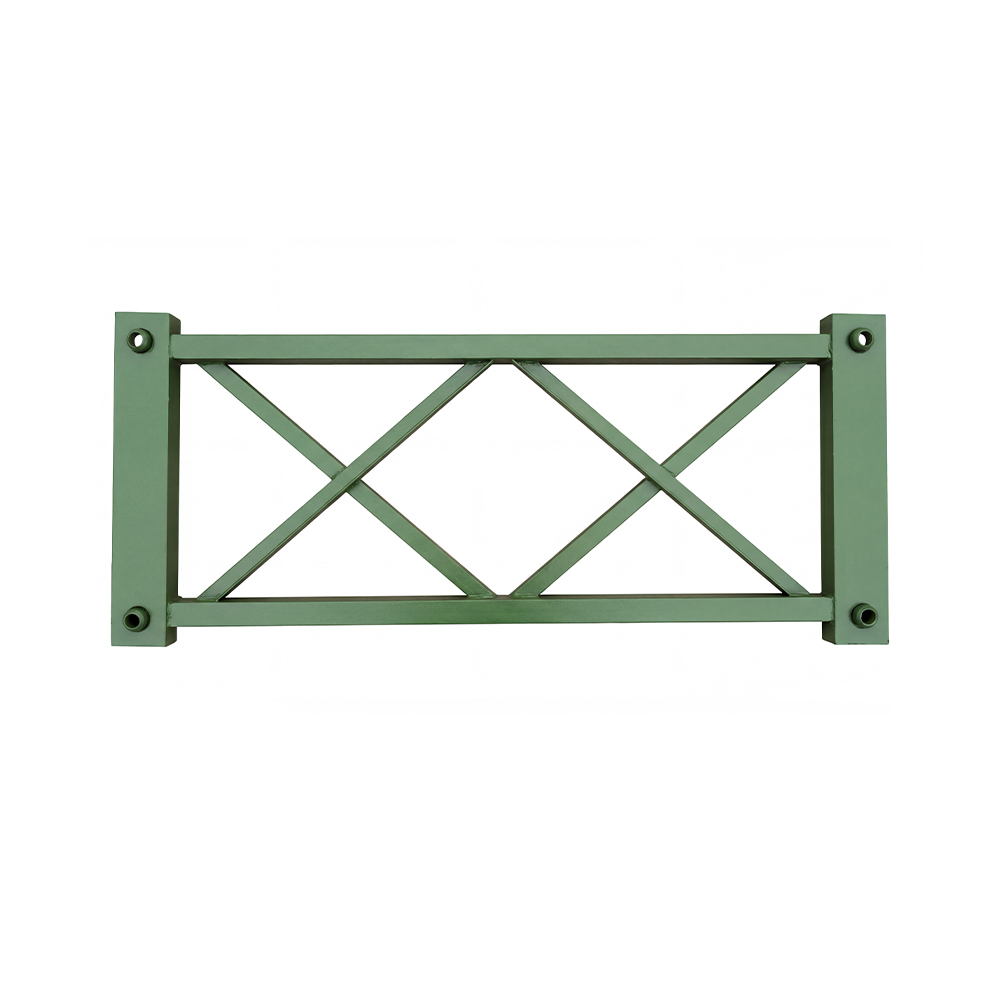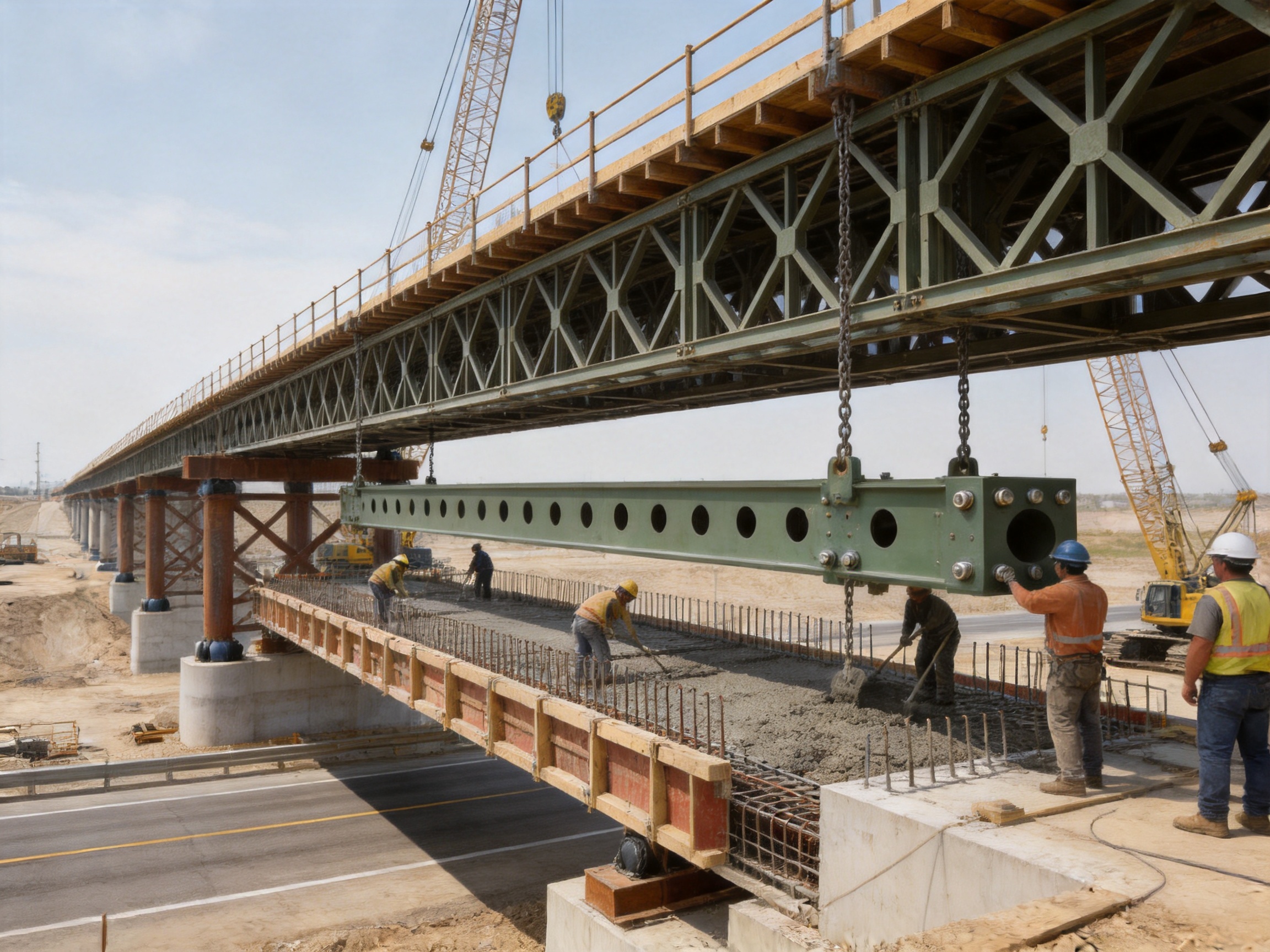
Cast-in-place bridge construction requires temporary and semi-permanent support systems that can remain stable while concrete, reinforcement, formwork, workers, equipment, and construction loads are applied. When bridge spans become longer, the support structure must resist not only vertical loads but also bending, deformation, vibration, construction-stage instability, and the effects of uneven loading. A well-designed tension and chord reinforcement system can significantly improve the performance of a modular steel support arrangement.
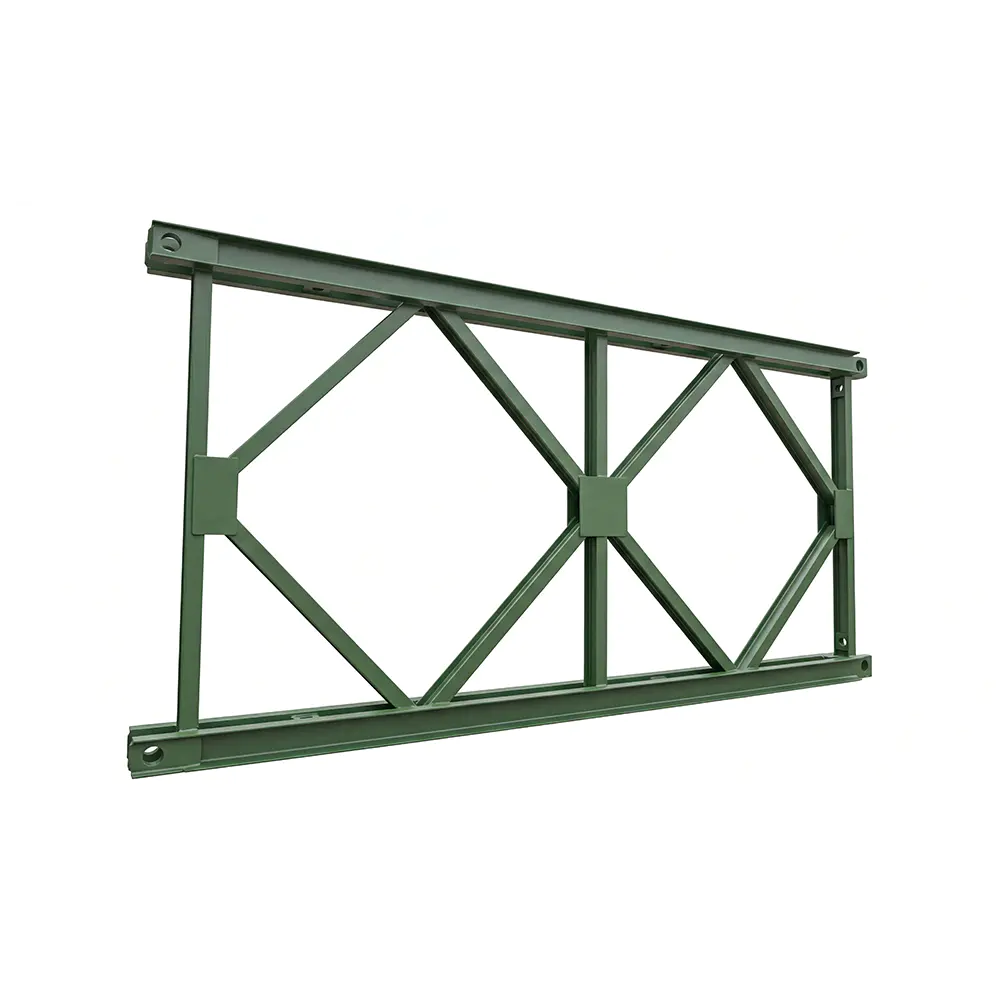
The Type 321 reinforced tension member is engineered for this purpose. It uses double 10# channel steel sections and connects with Bailey bridge sections through chord bolts. Its structural arrangement is similar to the chord members used in Bailey bridge systems, allowing it to work as an integrated reinforcement component rather than as an isolated steel accessory. By strengthening the lower or upper chord region of a modular support assembly, the component improves the overall bending resistance of the structure, particularly when the system is used over larger spans.
This product is suitable for cast-in-place bridge support structures, temporary bridge systems, guide beams, erection support arrangements, and other engineered applications where standardized modular steel components are preferred. Its dimensions, material specification, bolted connection method, and compatibility with Type 321 Bailey bridge sections make it practical for contractors and bridge engineers seeking a reliable and reusable reinforcement solution.
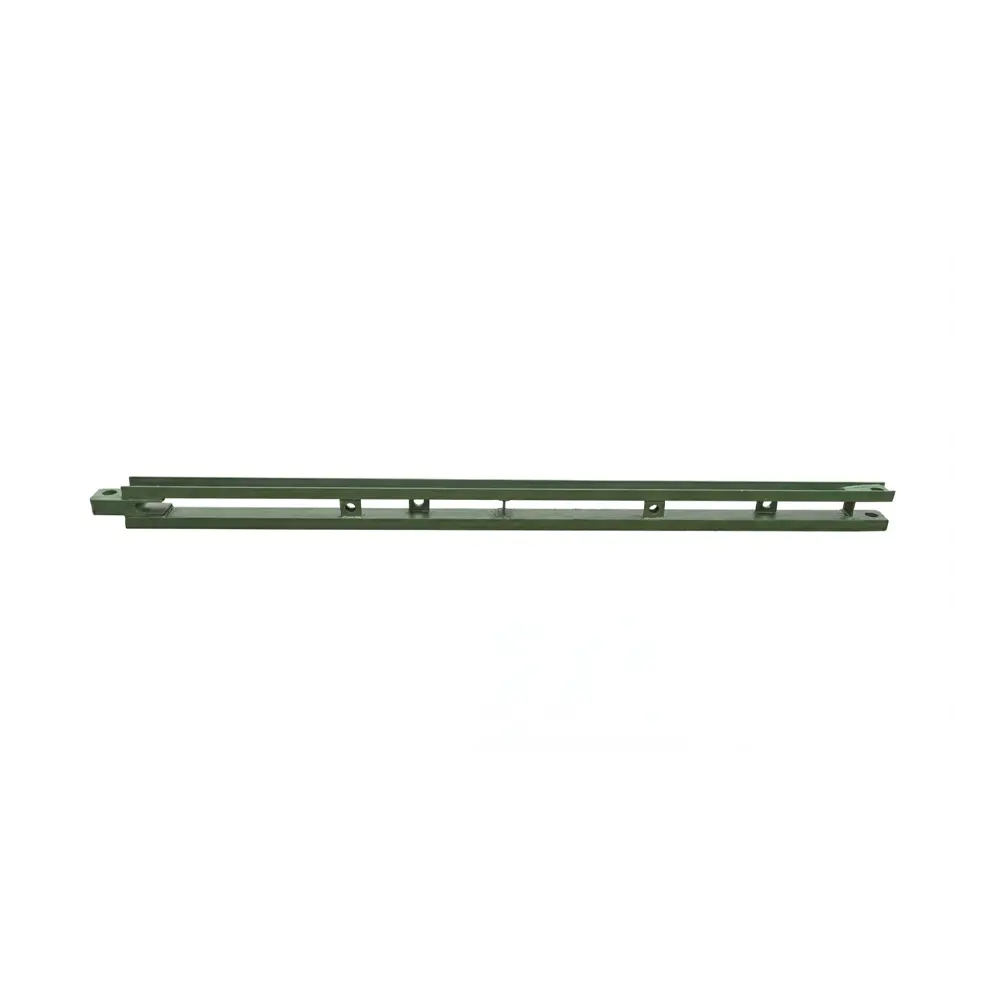
Type 321 - Reinforced Tension Member For Cast-In-Place Support Structure
Product Overview
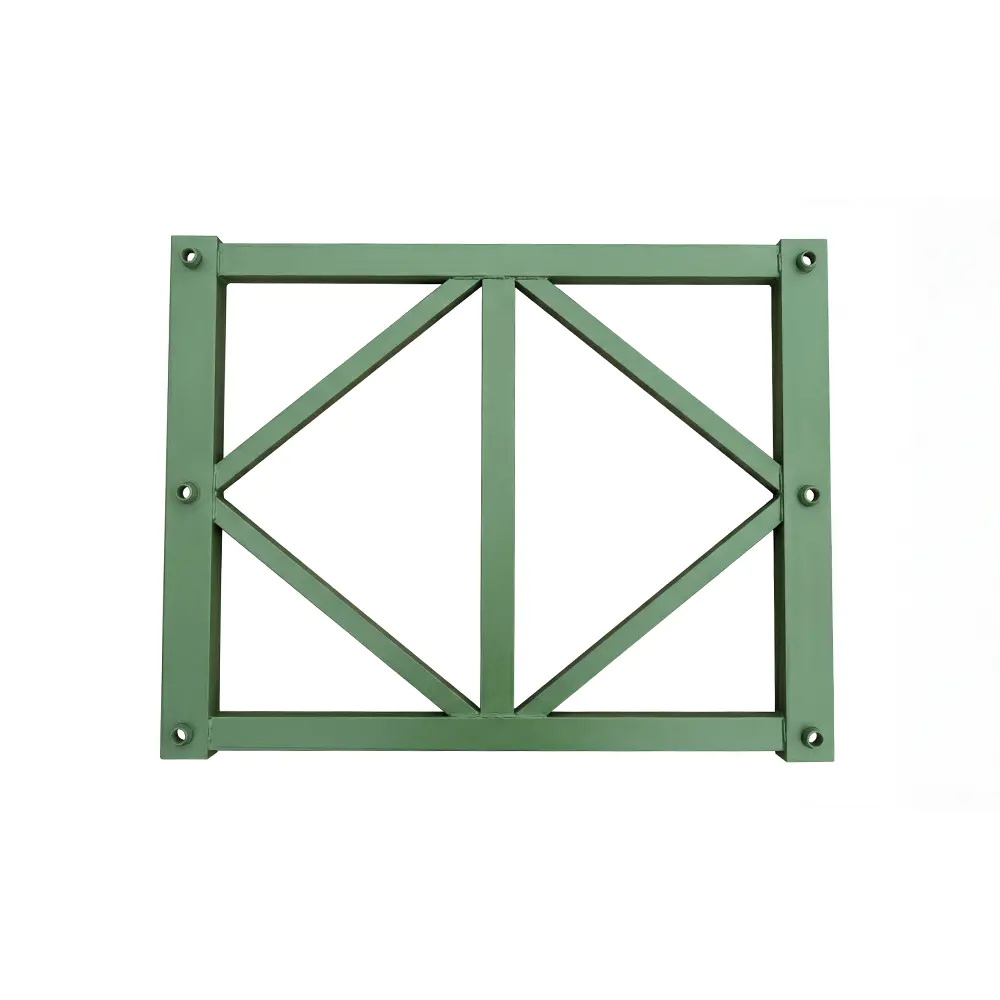
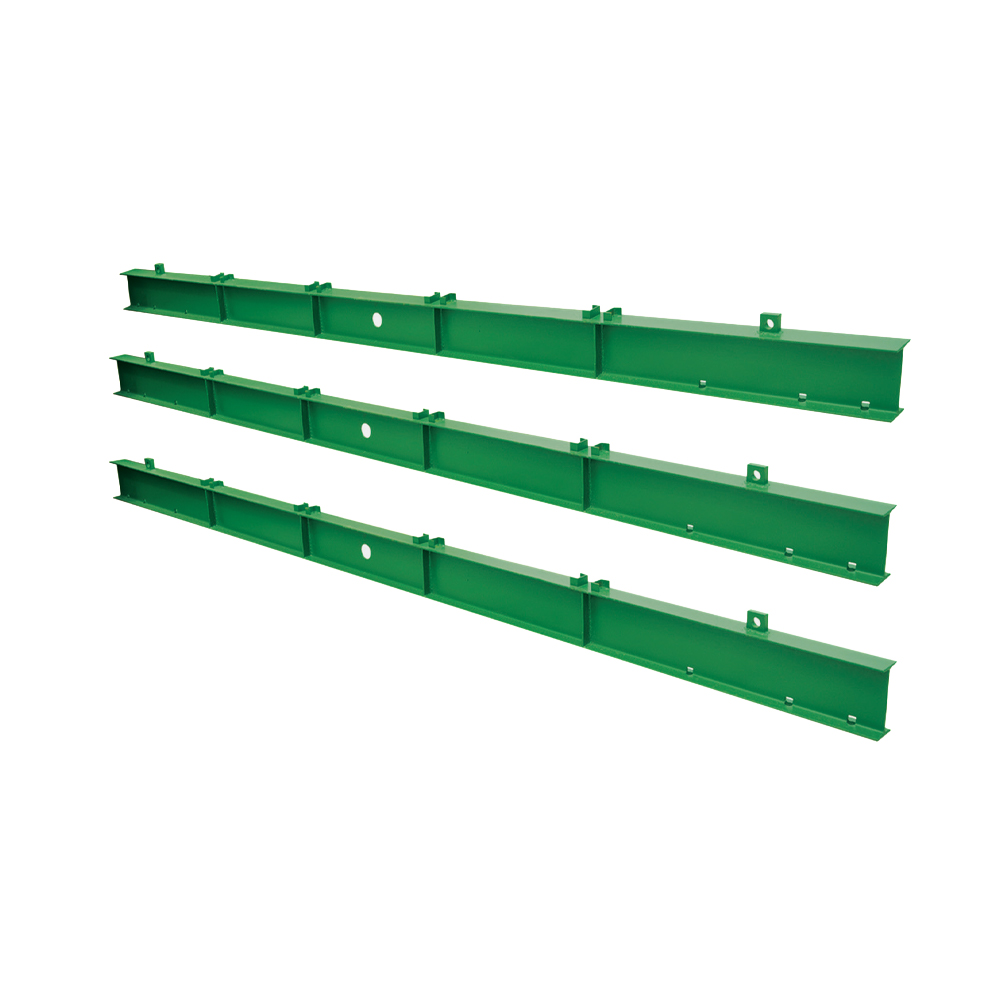
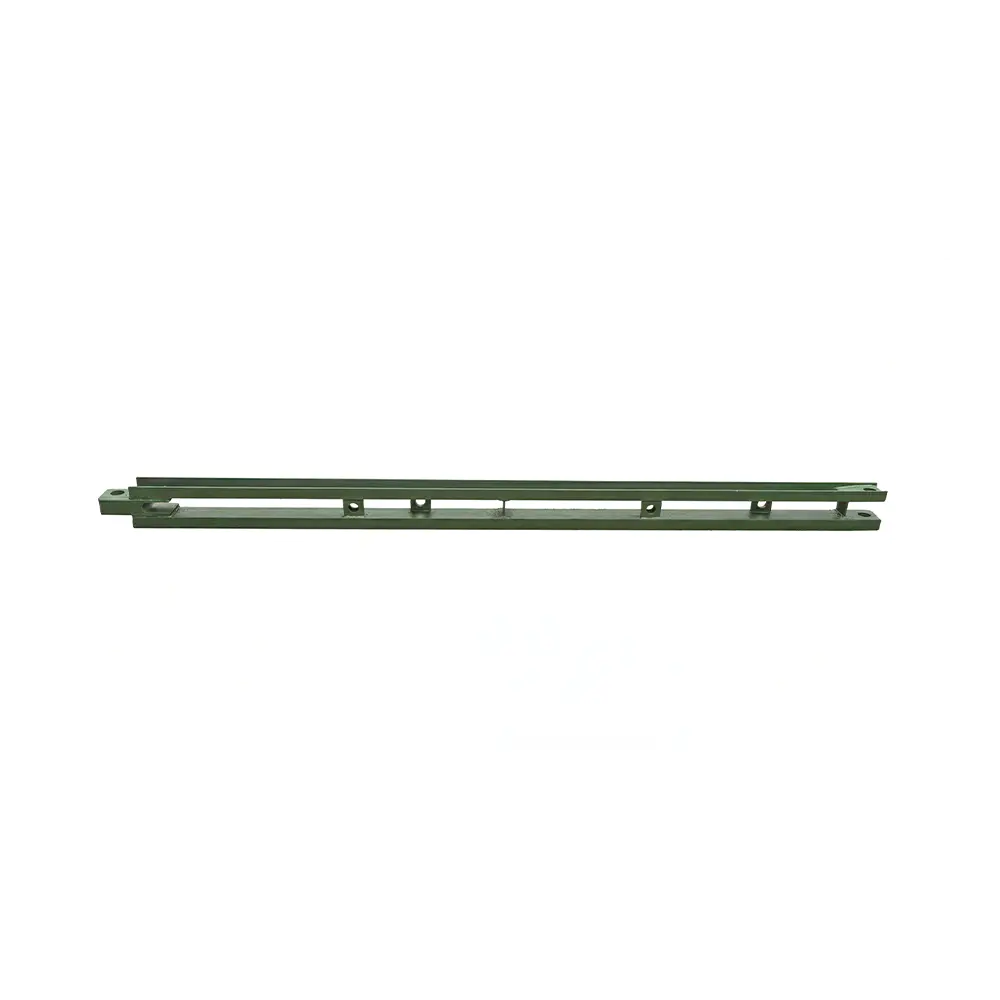
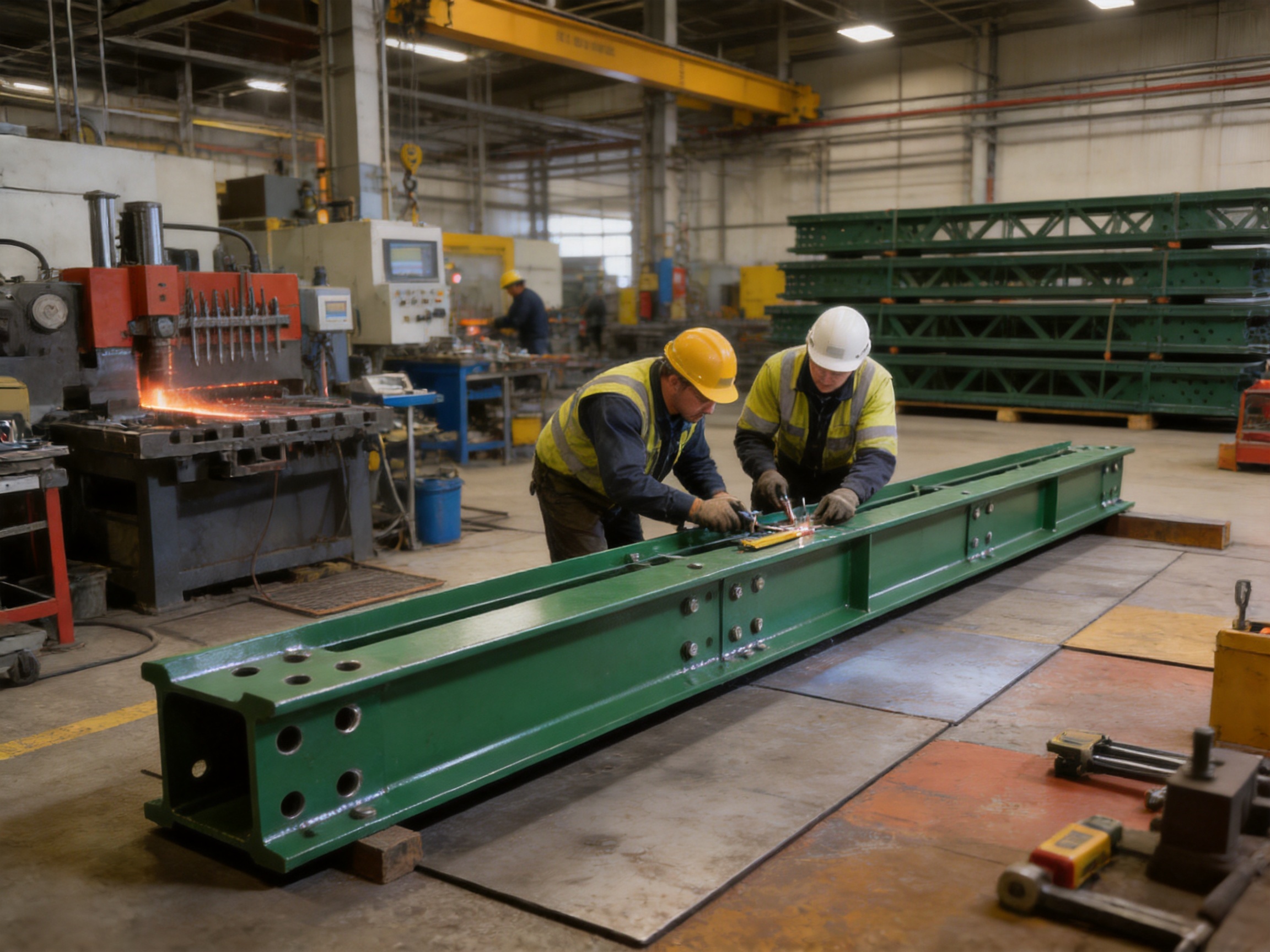
The Type 321 reinforced tension member is a prefabricated steel structural component designed to reinforce cast-in-place support structures assembled from modular Bailey bridge sections. The product consists principally of double 10# channel steel sections arranged to provide a strong and stable tension or chord assembly. The two channel sections form a combined member with improved resistance to axial force, bending effects, local deformation, and connection-related stress.
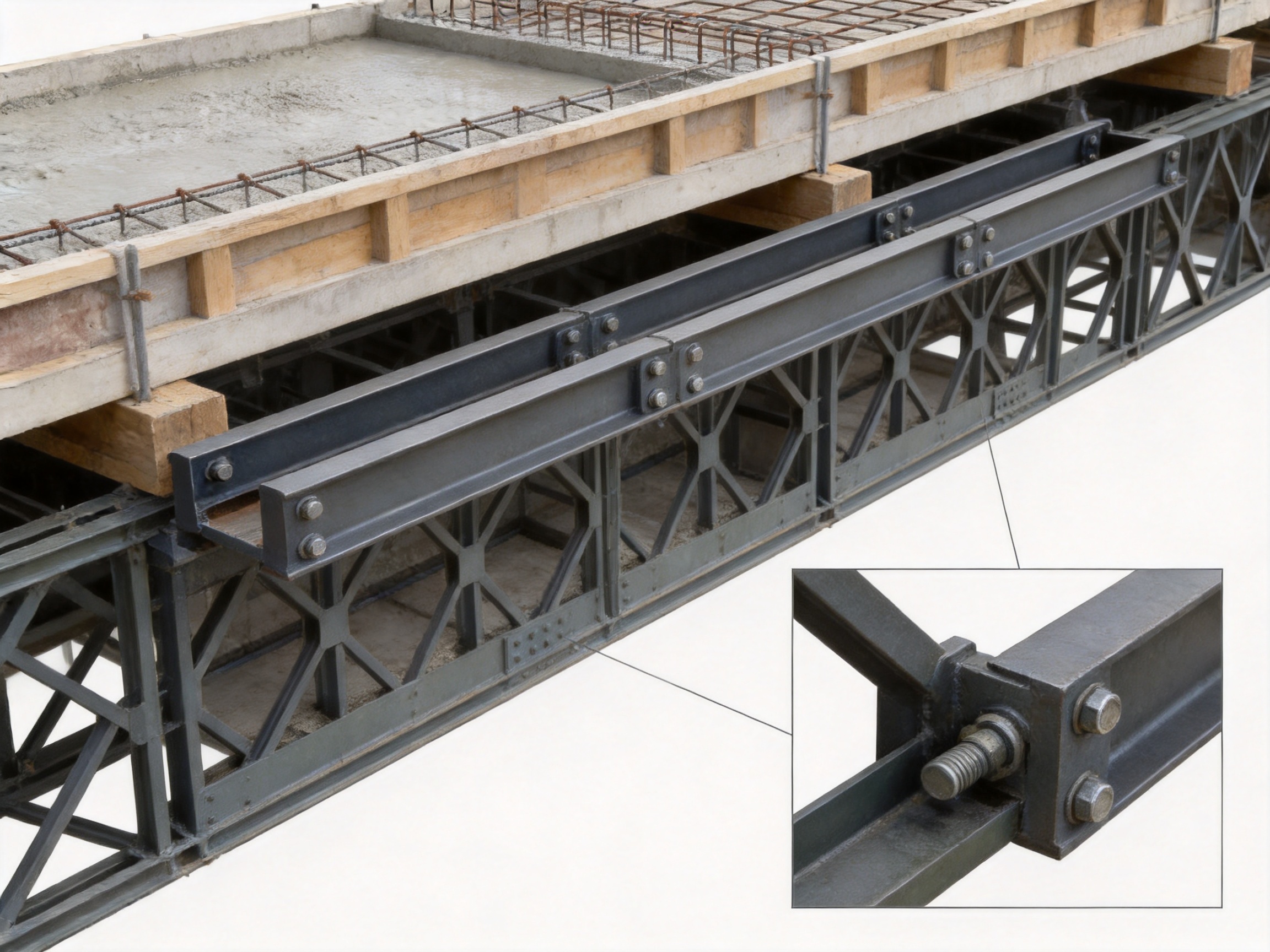
The member is connected to compatible Bailey bridge panels or sections by chord bolts. This bolted arrangement allows the reinforcement to become part of the main structural load path. Rather than relying solely on the standard Bailey truss configuration, engineers can use the reinforced tension member to improve the capacity and stiffness of the complete support system.
Its main application is the support of cast-in-place bridge construction. In this method, concrete is poured into formwork supported by temporary steel structures. Before the concrete reaches its required strength, the support system must carry the weight of the wet concrete and formwork. It may also be exposed to construction traffic, pumping vibration, wind, material storage, and temporary impact. The Type 321 member helps create a stronger support arrangement capable of handling the demanding conditions of this construction phase.
The product is manufactured from Q235B steel. This commonly used structural steel grade provides a practical combination of strength, weldability, availability, and cost efficiency. It is suitable for fabricated bridge support components where dependable mechanical properties and compatibility with conventional steel processing methods are important.
Technical Specifications
The following table summarizes the principal product information.
| Item | Specification |
| Product type | Type 321 reinforced tension member |
| Primary application | Cast-in-place bridge support structure |
| Structural arrangement | Double 10# channel steel sections |
| Connection method | Chord bolts connected to Bailey bridge sections |
| Outer dimensions | 1260 × 985 × 77 mm |
| Center distance dimensions | 1180 × 900 mm |
| Material | Q235B steel |
Dimensions should always be checked against the complete bridge support design, including Bailey panel spacing, chord arrangement, connection geometry, bearing positions, loading conditions, and erection sequence. The component is intended to function as part of a properly engineered system, not as a standalone replacement for structural design calculations.
How the Reinforced Tension Member Works
A modular Bailey support structure usually transfers loads through a combination of truss panels, chords, transoms, bracing, bolts, bearings, and support foundations. Under load, the upper and lower chord regions experience different combinations of compression and tension. Web members transfer shear and help maintain the geometry of the truss. When the span increases, bending effects become more significant, and the chord members carry a larger share of the forces associated with global structural behavior.
The Type 321 reinforced tension member strengthens this chord region. Its double-channel configuration creates a built-up steel member with greater section area and improved geometric stability than a single light channel. When connected to Bailey bridge sections by chord bolts, the member works together with the modular truss instead of merely bearing against it.
The benefit is especially important in cast-in-place construction. Wet concrete behaves as a substantial temporary load before hardening. The load is distributed across formwork and then transferred to the support system. If the support span is large, even moderate deflection can affect concrete thickness, finished levels, reinforcement cover, and the quality of the completed bridge. A reinforced chord helps reduce excessive deformation and provides a more robust load path during the critical construction stage.
The member can also improve the resistance of the support structure to construction-stage bending. Bending resistance depends on the complete system, including the cross-sectional arrangement, span, support conditions, bracing, connection behavior, and applied loads. However, reinforcing the chord area is a direct and efficient way to increase the stiffness and strength potential of a modular steel assembly.
Advantages of the Double 10# Channel Steel Configuration
Improved Structural Capacity
Two channel sections arranged as a combined member provide more steel area than a single channel. This increases the member’s potential to resist axial tension and compression. The built-up arrangement can also provide greater resistance to bending about the relevant structural axis, depending on the exact orientation and connection details.
In practical bridge support applications, the advantage is not limited to nominal material strength. A stronger chord region can help distribute forces more effectively across adjacent Bailey sections and reduce the risk that a single member becomes a critical weak point. The resulting system may offer a more balanced load path when compared with a lightly reinforced modular arrangement.
Greater Stiffness and Lower Deflection Potential
Stiffness is a major concern in cast-in-place bridge construction. Strength alone does not guarantee acceptable performance. A structure may remain below its ultimate capacity while still experiencing excessive deflection. Excessive movement can disturb formwork, affect concrete geometry, increase connection movement, and create difficulties during pouring.
The double-channel configuration increases the effective section properties of the tension member. When correctly integrated with the Bailey bridge structure, it can help increase global stiffness and reduce deformation under service-stage construction loads. The actual deflection must be verified through engineering calculations, but the product provides a practical structural basis for improving stiffness without replacing the entire modular system.
Efficient Use of Standardized Steel
Channel steel is a familiar structural profile that can be cut, positioned, welded, inspected, and assembled using established fabrication methods. Its standardized form makes it easier to source and process than highly specialized rolled or machined profiles. This contributes to production efficiency and helps control manufacturing costs.
For contractors, the use of standardized channel sections also simplifies repair and maintenance. Damaged or worn components can be assessed using common steel fabrication practices. Where permitted by the project engineer, replacement or refurbishment can be carried out without redesigning the entire support system.
Compatibility with Modular Bailey Systems
One of the most important advantages of the Type 321 member is its compatibility with Bailey bridge sections through chord bolts. Modular compatibility allows contractors to use existing inventory, familiar erection methods, and established connection procedures. It may reduce the need to purchase a completely new support system for every project.
Bailey bridge components are widely recognized for their interchangeability and flexible assembly. A reinforcement member designed around the same structural logic can be incorporated into various support configurations. This is valuable for bridge contractors working on projects with different spans, elevations, construction sequences, and site constraints.
Benefits for Cast-In-Place Bridge Construction
Support During Concrete Placement
During concrete placement, the support structure must carry the dead weight of the formwork and freshly placed concrete. The loading condition may change continuously as concrete is distributed across the span. Pumping, vibration, worker movement, and temporary storage can create localized and dynamic effects.
A reinforced tension member helps the Bailey support assembly maintain its geometry under these changing loads. It can contribute to improved resistance against sagging and chord deformation, particularly when the support system is designed for a large working span. The component should be combined with sufficient lateral bracing, correctly spaced transoms, adequate bearing areas, and stable foundations.
Control of Construction-Stage Deformation
Maintaining the correct elevation of formwork is essential for achieving the specified bridge profile. If the support system deflects unexpectedly, the finished concrete may not match the intended geometry. In some cases, contractors must introduce calculated pre-camber to compensate for predicted deflection. A stiffer reinforced support arrangement makes this process more predictable.
The Type 321 member supports a controlled engineering approach by improving the stiffness of the principal load-carrying region. It does not eliminate the need for deflection analysis, but it can make the support behavior more stable and easier to model. This is particularly useful when a project involves long spans, heavy deck sections, or strict dimensional tolerances.
Adaptation to Different Bridge Arrangements
Cast-in-place bridge projects may involve highway overpasses, municipal bridges, railway structures, waterway crossings, viaduct components, or other reinforced concrete forms. Site conditions can vary considerably. A support structure may need to cross a road, canal, rail line, or existing foundation arrangement without installing many intermediate supports.
Modular Bailey systems are valued for their adaptable geometry. The Type 321 reinforced tension member extends this adaptability by giving engineers an additional method of strengthening the chord region. It can be incorporated into support designs where increased span capability or improved bending resistance is required, subject to project-specific calculations and approvals.
Potential Reduction in Temporary Support Requirements
Where the structural design permits, a stronger modular support assembly may reduce the need for intermediate temporary piers or closely spaced supports. Fewer supports can simplify access below the bridge and reduce interference with traffic, waterways, railway operations, or existing facilities.
Any reduction in temporary supports must be confirmed by a qualified engineer. Foundation capacity, horizontal stability, lateral bracing, wind loads, construction sequencing, and accidental load cases must all be reviewed. The Type 321 member is an enabling component that may contribute to a more efficient design; it is not a substitute for a complete temporary works assessment.
Advantages Compared with Less Reinforced Alternatives
Compared with a standard modular support arrangement that uses only basic chord members, the Type 321 reinforced tension member offers a more substantial chord configuration. A conventional arrangement may be adequate for short spans or lighter construction loads, but longer spans increase the importance of global bending resistance and deflection control.
Compared with a single-channel reinforcement member, the double 10# channel design provides more material and a more balanced built-up section. The dual-channel arrangement can also be connected at multiple points, helping the member act as a unified component when fabrication and bolting are completed correctly.
Compared with custom one-off support frames, the Type 321 system benefits from modular compatibility. A custom frame may require unique drawings, specialized fabrication, new lifting procedures, and project-specific spare parts. A Bailey-compatible reinforcement member can be easier to integrate into a contractor’s existing equipment and working methods.
Compared with heavily machined structural accessories, the channel-based design is practical to fabricate and maintain. It relies on widely available steel profiles and standard fabrication processes. This can support shorter production cycles, easier inspection, and more predictable procurement.
Compared with systems that depend primarily on welding at the construction site, the bolted connection method can improve assembly consistency. Factory-fabricated components can be inspected before delivery, while site crews use established bolting procedures during erection. Proper bolt grade, tightening, hole alignment, bearing contact, and inspection remain essential to safe performance.
Manufacturing Strengths and Production Approach
Material Selection and Traceability
The Type 321 reinforced tension member uses Q235B steel, a structural material widely used in fabricated bridge components. Material selection begins with confirming the required grade, thickness, dimensional tolerances, and supply condition. Reliable production requires documentation and inspection procedures that connect incoming steel to the finished component.
Material traceability is valuable for quality management. It allows the manufacturer to track steel batches, production orders, cutting records, welding activities, inspection results, and final dispatch information. This organized approach supports consistent manufacturing and gives customers greater confidence in the identity and quality of the supplied component.
Precision Cutting and Preparation
Accurate cutting is important because the two channel sections must align correctly within the completed member. Cutting equipment and fabrication drawings should be used to establish the required lengths, angles, end conditions, and connection positions. Poor cutting accuracy can lead to misalignment, excessive fitting work, or uneven stress distribution.
Before assembly, steel surfaces are prepared to remove contaminants, scale, burrs, and sharp edges where necessary. Proper preparation improves fit-up, welding quality, coating performance, and worker safety. Consistent preparation is particularly important around bolt holes, connection plates, and welded interfaces.
Controlled Assembly of Built-Up Sections
The double-channel arrangement must be assembled in a controlled fixture or jig so that the spacing, center distances, squareness, and connection geometry remain within the intended tolerances. The stated outer dimensions of 1260 × 985 × 77 mm and center distance dimensions of 1180 × 900 mm provide key reference information for production and inspection.
Fabrication jigs help prevent cumulative dimensional errors. They hold components in the correct position during tack welding and final welding. This is more reliable than depending solely on manual measurement for every unit. Consistent fixtures also improve interchangeability between members manufactured at different times.
Welding Quality Control
Welding is commonly used to join the channel sections with connecting plates, stiffeners, or other fabricated elements. The quality of each weld affects the strength and durability of the completed member. A controlled welding process should define joint preparation, welding consumables, current and voltage ranges, sequence, preheating requirements where applicable, and inspection criteria.
Qualified welders and trained inspectors are essential. Visual inspection can identify undercut, porosity, incomplete fusion, excessive spatter, distortion, and other visible defects. Depending on the project specification, additional non-destructive testing may be used for selected welds or critical connection zones. The inspection level should reflect the structural importance of the component and the requirements of the applicable design standard.
Dimensional Inspection
After welding and cooling, the member should be inspected for length, width, height, center distance, hole position, straightness, squareness, and connection alignment. Welding can cause shrinkage and distortion, so final inspection is necessary even when the initial assembly was accurate.
Dimensional inspection supports interchangeability with Bailey bridge sections. If bolt holes do not align correctly, erection crews may be tempted to enlarge holes or force components into position. Such practices can damage the steel, reduce connection quality, and create uncertainty. Accurate factory fabrication reduces these risks and improves installation efficiency.
Surface Treatment and Protection
Steel components used outdoors may be exposed to rain, humidity, dust, salt, construction chemicals, and changing temperatures. Surface treatment helps protect the product from corrosion during storage, transport, erection, and service. Depending on the project requirements, treatment may include cleaning, primer application, protective painting, or another specified coating system.
Coating selection should consider the intended service environment, expected exposure period, maintenance plan, and compatibility with existing Bailey bridge components. Areas around bolt holes, welds, edges, and contact surfaces require particular attention. Where components are assembled by friction or direct steel contact, coating requirements should be coordinated with the connection design.
Final Inspection and Packaging
Before shipment, each member should undergo final inspection to confirm identification, dimensions, connection condition, surface treatment, and general appearance. Product markings or records can help customers match components with drawings and erection plans.
Packaging should protect bolt holes, edges, coated surfaces, and connecting plates from impact during handling. Proper stacking and lifting arrangements reduce the risk of deformation. Because modular bridge components may be transported and reused many times, careful logistics are part of the product’s long-term value.
Engineering Integration with Bailey Bridge Sections
The Type 321 reinforced tension member is intended to be used with compatible Bailey bridge sections. The overall structure may include panels, chords, transoms, bracing frames, sway bracing, end posts, bearings, support stools, and foundation interfaces. The reinforcement member should be shown on the assembly drawing so that its position and connection sequence are clear.
Engineers should confirm the number of Bailey panels, the arrangement of longitudinal trusses, the spacing between trusses, and the required cross-bracing. The member’s center distances must correspond with the geometry of the connected system. Bolts should be installed according to the approved erection procedure, with suitable washers, nuts, and inspection controls.
The connection between the reinforced member and the Bailey sections is a critical part of the load path. It must be capable of transferring the forces assumed in the design. The connection should be checked for bolt shear, bearing, tension where applicable, net-section effects, tear-out, block shear, local plate bending, and potential slip or deformation. These checks should be performed using the relevant project design standard.
Support conditions are equally important. A reinforced chord cannot compensate for inadequate foundations, unstable bearings, weak support stools, or insufficient lateral restraint. The complete temporary works system must resist vertical and horizontal forces, including wind, braking effects where relevant, erection loads, accidental impact, and construction activities.
Installation and Construction Practices
Pre-Erection Planning
Before installation, the project team should review the structural drawings, component schedule, lifting plan, access conditions, temporary stability measures, and sequence of work. Components should be checked for damage, corrosion, bent plates, blocked holes, missing bolts, and coating defects before being moved into position.
The erection area should provide adequate space for sorting and pre-assembly. Ground conditions must support cranes, lifting equipment, temporary stools, and material storage. Where the support system crosses an active road, railway, or waterway, the contractor should coordinate all protection and traffic-control requirements before work begins.
Assembly and Bolting
Bailey sections and reinforced tension members should be assembled on a level and stable platform whenever possible. The erection crew should follow the approved sequence so that partially assembled structures do not become unstable. Temporary bracing may be required while the system is incomplete.
Bolts should pass through clean and properly aligned holes. Damaged or mismatched bolts should not be used. Nuts should be installed and tightened according to the project specification. After tightening, accessible connections should be inspected to confirm that the required components are present and properly seated.
Alignment and Pre-Camber
Once the modular support structure is assembled, its line, level, spacing, and support positions should be surveyed. If the design requires pre-camber, it should be introduced in a controlled manner using the specified jacking or support arrangement. The goal is to achieve the intended geometry under the anticipated construction load, not simply to create an arbitrary upward curve.
Survey records taken before, during, and after concrete placement help the contractor identify unexpected movement. Monitoring is particularly valuable for long spans, heavy pours, complex formwork, or projects with limited access for later correction.
Concrete Placement Considerations
Concrete should be placed in accordance with the approved pour sequence. Uneven or concentrated placement can produce temporary load patterns that differ substantially from the final dead load. Pump lines, personnel, reinforcement bundles, vibrators, and construction equipment should be managed so that local overloads are avoided.
The support structure should be observed throughout the pour. Warning signs may include unusual deflection, bolt movement, cracking in connection components, lateral sway, foundation settlement, or unexpected noise. If any abnormal condition occurs, work should be stopped and assessed by the responsible engineer.
Quality, Reliability, and Reusability
Quality in bridge support components involves more than the strength of the raw steel. It includes dimensional consistency, connection accuracy, welding reliability, surface protection, documentation, handling, and technical support. A product that fits correctly and can be assembled efficiently contributes to a safer and more predictable construction process.
The Type 321 reinforced tension member is designed as a reusable modular component. After removal from a cast-in-place support structure, it can be inspected, cleaned, repaired where permitted, and stored for future use. Reusability can lower the lifecycle cost of temporary works and reduce the need for repeated fabrication.
Before reuse, each member should be examined for permanent deformation, cracking, elongated bolt holes, damaged welds, severe corrosion, missing parts, and coating failure. Components that have been overloaded or damaged should be evaluated by qualified personnel before being returned to service. Reuse should be based on documented inspection and project requirements rather than appearance alone.
Standardized components also simplify inventory management. Contractors can maintain a stock of compatible Bailey panels, chord members, bolts, bracing parts, and reinforced tension members. This supports rapid mobilization for emergency bridges, temporary access routes, construction platforms, and bridge erection operations.
Manufacturer Capabilities and Industry Experience
Zhenjiang Jinhao Road & Bridge Supporting Engineering Co., Ltd. provides design, manufacturing, erection, leasing, and technical support services for modular bridge and temporary works products. Established in 2017, the company has developed from a supplier of construction and industrial materials into an enterprise focused on Bailey bridges, bridge launching gantries, hanging baskets, pier formwork, bridge steel formwork, and related engineered steel structures.
The company’s product range includes Type 321 Bailey truss sections, HD200 or Type 200 Bailey truss sections, triangular and diamond hanging baskets, bridge formwork, and other structural steel products. This breadth is valuable because the Type 321 reinforced tension member is normally used as part of a broader bridge support or construction system.
In-house knowledge across design, fabrication, erection, and leasing enables the manufacturer to understand how components perform beyond the workshop. Practical installation experience can improve fabrication details, connection accessibility, lifting arrangements, component identification, and maintenance recommendations.
The company serves contractors, government-related infrastructure projects, and engineering companies in domestic and international markets. Its services include customized fabrication, system planning, technical support, and quality management. These capabilities can help customers select suitable modular components according to span, load, construction sequence, site access, and reuse requirements.
A manufacturer with experience in both standard and customized steel structures can also help coordinate related products. For example, a project may require Bailey trusses, reinforced chord members, temporary piers, launching equipment, formwork, and erection support. Coordinating these items through one experienced supplier can improve communication and reduce interface risks.
Applications Beyond Cast-In-Place Bridge Supports
Although the primary purpose of this product is reinforcement for cast-in-place support structures, its modular steel characteristics may support other engineered applications. Depending on design approval, it may be considered for guide beams, temporary erection structures, construction platforms, support towers, gantry-related arrangements, or other systems based on Bailey bridge components.
Bailey bridge technology is known for flexible structural forms. Standard panels can be assembled into temporary bridges, emergency bridges, semi-permanent bridges, guide beams, arches, tower columns, gantry hangers, bridge erection machines, and climbing formwork systems. A reinforced tension member can add value where a standard chord arrangement requires additional bending resistance or stiffness.
Each alternative application requires its own analysis. The forces in a bridge support may differ from those in a traffic bridge, launching beam, or tower column. Engineers must verify the member’s orientation, connection behavior, load combinations, stability, fatigue considerations where relevant, and compatibility with adjacent components.
Economic and Operational Value
The product’s economic value comes from its combination of structural reinforcement and modular reuse. Instead of replacing an entire Bailey support system to address a larger span or heavier construction load, a contractor may be able to strengthen the critical chord region with reinforced members, subject to engineering confirmation.
Factory production can also improve cost predictability. Repeated manufacturing using standard channel sections, fixtures, welding procedures, and inspection routines can reduce variation between units. Standard dimensions and bolt connections help limit site modification, which can otherwise create additional labor, delay, and quality risks.
Transport and handling should also be considered. Modular steel components can be delivered in organized batches, lifted using conventional construction equipment, and stored for later projects. A clear component schedule and durable identification system can reduce time spent searching for compatible parts on site.
For rental or leasing operations, durable and reusable components are particularly valuable. The same reinforced tension members may support several projects over their service life, provided they are inspected and maintained after each use. This creates a flexible temporary works resource for contractors who do not want to purchase a complete inventory for every project.
Selection Guidance for Project Owners and Contractors
When selecting a Type 321 reinforced tension member, customers should provide the intended span, support spacing, design loads, construction method, Bailey section type, environmental conditions, and desired reuse cycle. They should also identify whether the product will be used in a single or multiple truss arrangement and whether the support system will carry formwork, wet concrete, construction equipment, or other temporary loads.
Project documentation should define the required steel grade, dimensions, connection details, coating system, inspection level, packaging method, and delivery schedule. If the product must interface with existing Bailey components, drawings or sample components should be reviewed before production.
Customers should request technical information sufficient for design coordination. This may include general arrangement drawings, dimensional data, material information, connection details, inspection documentation, and recommended handling procedures. The manufacturer can then evaluate whether standard production is suitable or whether a customized arrangement is required.
Most importantly, the component must be selected as part of a complete structural system. A larger member does not automatically make an entire support structure safe. Design engineers should evaluate global stability, local buckling, lateral torsional buckling, connection resistance, foundation performance, wind, construction sequence, and deflection.
Safety and Engineering Responsibility
Temporary bridge supports are structural systems and should be designed, erected, inspected, and removed under the control of qualified professionals. The Type 321 reinforced tension member provides a structural component with defined dimensions and material information, but its allowable use depends on the project design.
Before construction begins, the responsible engineer should confirm load combinations and structural calculations. The design should consider the weight of concrete, reinforcement, formwork, construction workers, equipment, stored materials, impact, wind, temperature effects, foundation settlement, and any special site conditions.
During erection, workers should follow approved lifting and assembly procedures. Unauthorized drilling, cutting, heating, welding, or field modification can change the behavior of the member and invalidate design assumptions. Any required modification should be reviewed and approved by the responsible engineer and manufacturer where appropriate.
After installation, inspections should verify that members are correctly positioned, bolts are installed, bracing is complete, bearings are seated, supports are stable, and no components are damaged. Monitoring during concrete placement provides an additional level of protection for large or complex structures.
Q&A
What is the Type 321 reinforced tension member used for?
It is used to reinforce cast-in-place bridge support structures assembled from Bailey bridge sections. Its primary purpose is to improve the bending resistance and stiffness of the modular support system, especially for larger spans and demanding construction-stage loads.
What is the main structural configuration?
The member uses double 10# channel steel sections. The two channels form a built-up structural component that can provide greater section area and improved resistance compared with a single light channel arrangement.
How is the member connected to a Bailey bridge?
It connects to Bailey bridge sections through chord bolts. The bolted connection allows the reinforced member to work together with the Bailey truss and become part of the intended structural load path.
What material is used?
The specified material is Q235B steel. This structural steel grade is widely used for fabricated steel components because it offers practical strength, weldability, availability, and cost efficiency.
What are the product dimensions?
The listed outer dimensions are 1260 × 985 × 77 mm. The listed center distance dimensions are 1180 × 900 mm. These dimensions must be checked against the complete Bailey support arrangement before ordering or installation.
Can the component be used for every bridge span?
No. Suitability depends on the complete structural design, including span, load, support conditions, truss arrangement, bracing, foundation capacity, connection design, and construction sequence. A qualified engineer should confirm its application for each project.
Does the reinforced member eliminate the need for other bracing?
No. Chord reinforcement improves one part of the structural system, but lateral bracing, transoms, sway bracing, bearings, foundations, and other stability components may still be required. The complete support system must be designed and inspected as a whole.
Can it be reused?
It is intended to be a modular and reusable component. Before reuse, it should be inspected for deformation, cracks, damaged welds, elongated holes, corrosion, and missing parts. Any questionable component should be evaluated before being placed back into service.
What manufacturing checks are important?
Important checks include steel grade verification, cutting accuracy, channel alignment, center distance, bolt-hole position, weld quality, dimensional tolerances, surface treatment, identification, and final inspection. The required inspection level should follow the project specification and applicable standards.
Why use a factory-manufactured member instead of fabricating one on site?
Factory manufacturing provides controlled fixtures, repeatable dimensions, qualified welding procedures, organized inspection, consistent surface treatment, and better interchangeability. These advantages can reduce field modification, improve erection efficiency, and provide more predictable quality.
Can the manufacturer provide additional bridge equipment?
The manufacturer’s product range includes Bailey bridges, Type 321 and Type 200 truss sections, bridge launching gantry systems, hanging baskets, pier formwork, bridge steel formwork, and related engineered steel structures. Customers can discuss complete system requirements, customized fabrication, erection, leasing, and technical support.
What information should be supplied when requesting a quotation?
Customers should provide the application, required quantity, span, design loads, Bailey section type, support arrangement, project location, delivery schedule, coating requirements, and any available drawings. More complete project information helps the manufacturer recommend compatible components and prepare an accurate quotation.
Conclusion
The Type 321 reinforced tension member is a practical strengthening component for cast-in-place bridge support structures based on modular Bailey bridge technology. Its double 10# channel steel configuration improves the structural potential of the chord region, while its chord-bolt connection supports efficient integration with compatible Bailey sections.
Its principal advantages include improved bending resistance, increased stiffness, standardized construction, modular compatibility, practical fabrication, potential reuse, and suitability for larger-span temporary support arrangements. The use of Q235B steel and conventional channel sections supports reliable manufacturing and manageable lifecycle costs.
The product is most valuable when combined with a manufacturer capable of design coordination, precision fabrication, quality control, erection support, leasing, and technical service. Zhenjiang Jinhao Road & Bridge Supporting Engineering Co., Ltd. offers experience across Bailey bridges, launching gantries, hanging baskets, pier formwork, and bridge steel formwork, allowing customers to address the wider requirements of bridge construction and temporary works.
As with every structural component, safe performance depends on correct engineering, accurate fabrication, suitable connections, stable foundations, proper erection, and continuous inspection. When these requirements are satisfied, the Type 321 reinforced tension member can provide a durable, adaptable, and cost-effective solution for strengthening modular support structures during cast-in-place bridge construction.
References
American Institute of Steel Construction. Specification for Structural Steel Buildings.
British Standards Institution. Steel, Concrete and Composite Bridges: Design and Construction Guidance.
International Organization for Standardization. Quality Management Systems: Requirements.
International Organization for Standardization. Welding Quality Requirements for Fusion-Welded Metallic Materials.
National standards and project specifications governing Q235B structural steel and fabricated steel bridge components.
Technical manuals for Bailey bridge modular truss systems, temporary works design, erection, inspection, and maintenance.
Construction engineering guidance for cast-in-place concrete bridge formwork, temporary supports, structural stability, and concrete placement sequencing.


 Français
 Español
 عربى