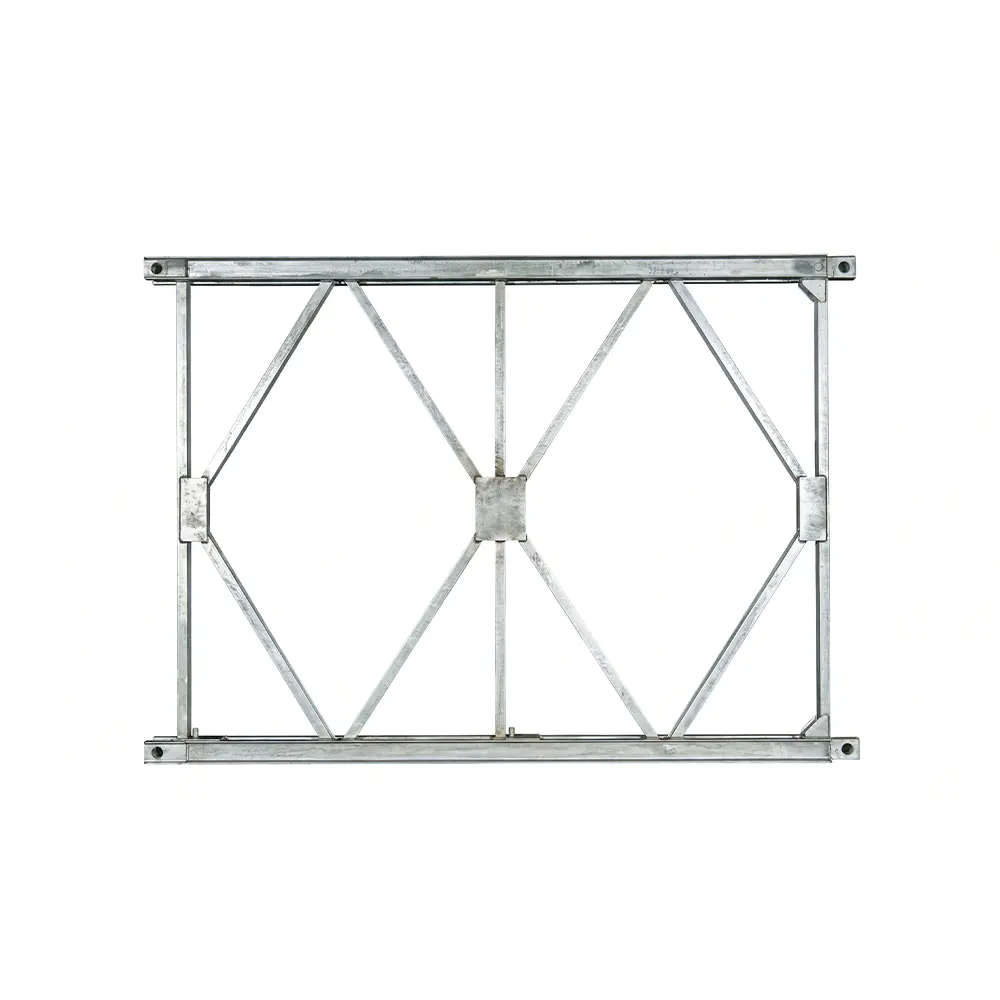
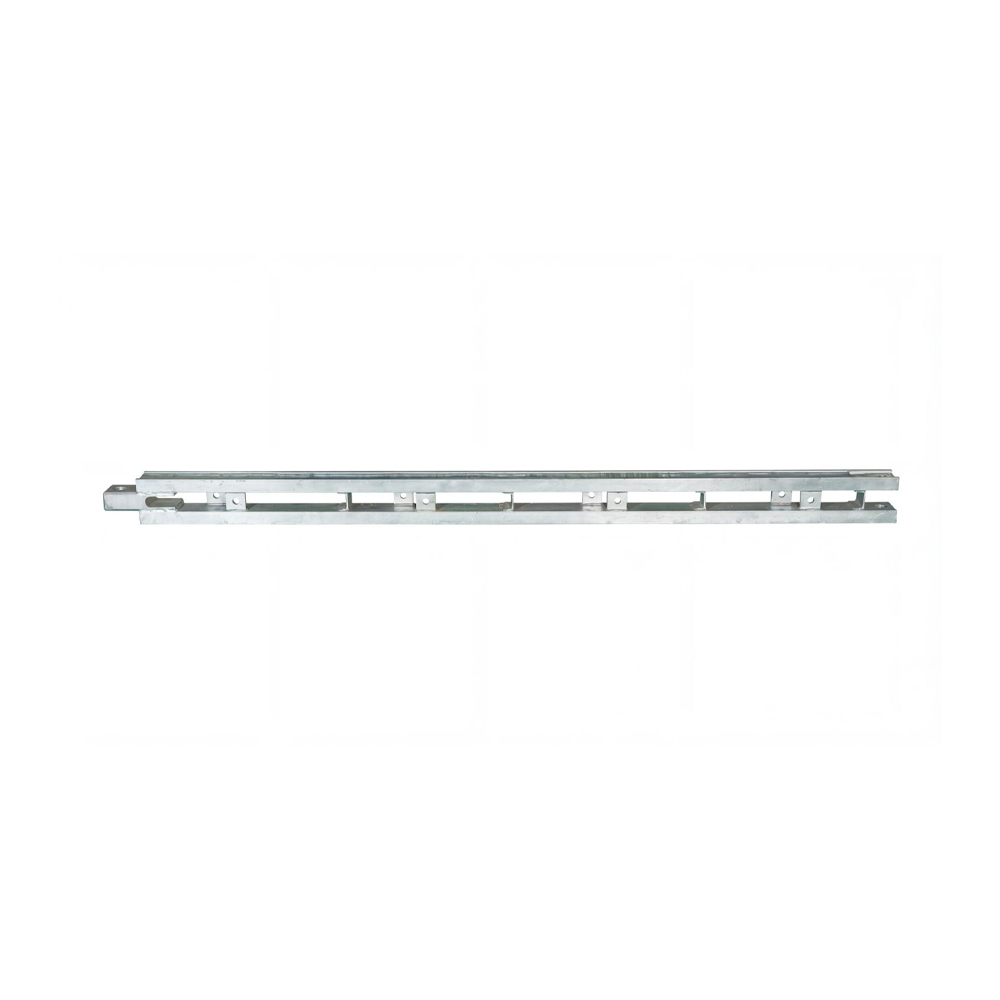
Modern bridge construction increasingly depends on structural systems that can be transported efficiently, assembled quickly, adapted to changing site conditions, and reused across multiple projects. In this environment, modular Bailey bridges remain an important solution for temporary, emergency, semi-permanent, and selected permanent applications. Their standardized truss components allow contractors and infrastructure authorities to create bridge structures with different spans, widths, load capacities, and configurations while reducing construction time and logistical complexity.
Within a Bailey bridge truss, the lower chord has a critical structural role. It transfers tensile forces, supports the action of the vertical and diagonal members, and contributes substantially to the overall stiffness and load-bearing behavior of the bridge. When a bridge is required to carry heavier vehicles, accommodate a longer effective span, or operate under demanding conditions, reinforcement of the lower chord can provide a practical way to improve structural performance without replacing the entire bridge system.
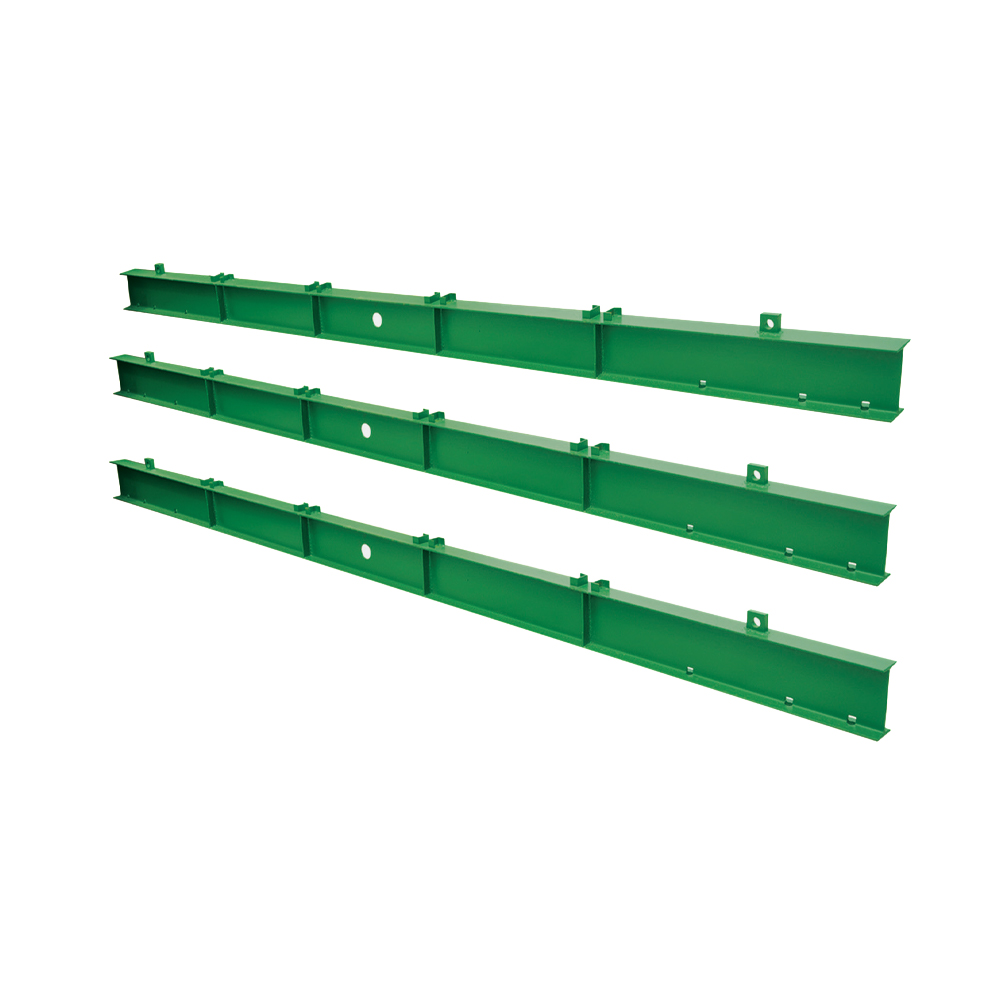
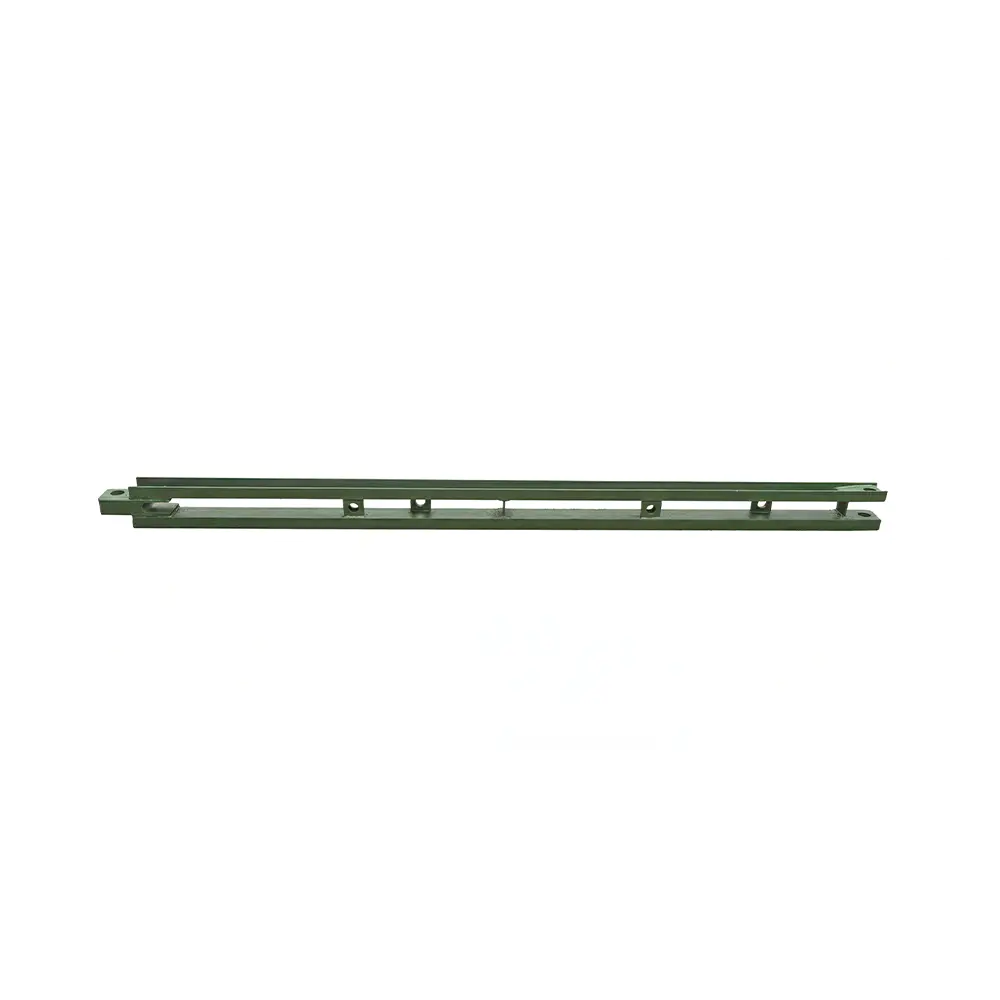
The YG lower reinforcing chord for Bailey bridges is designed for this purpose. With external dimensions of 3115 × 100 × 176 mm and manufacturing material specified as Q355B low-alloy structural steel, it is a standardized reinforcement component for YG series Bailey bridge assemblies and related prefabricated steel structures. The component is intended to enhance lower-chord capacity, increase truss rigidity, and support safer structural behavior under substantial loads.
Its value extends beyond the component itself. The product represents an integrated approach to modular bridge engineering in which standardized geometry, high-strength steel, controlled fabrication, interchangeability, and engineering support work together. For contractors, bridge owners, emergency-response organizations, municipal authorities, and infrastructure companies, this approach can help reduce project risk while maintaining flexibility in design and construction.
1. The Structural Role of a Lower Reinforcing Chord
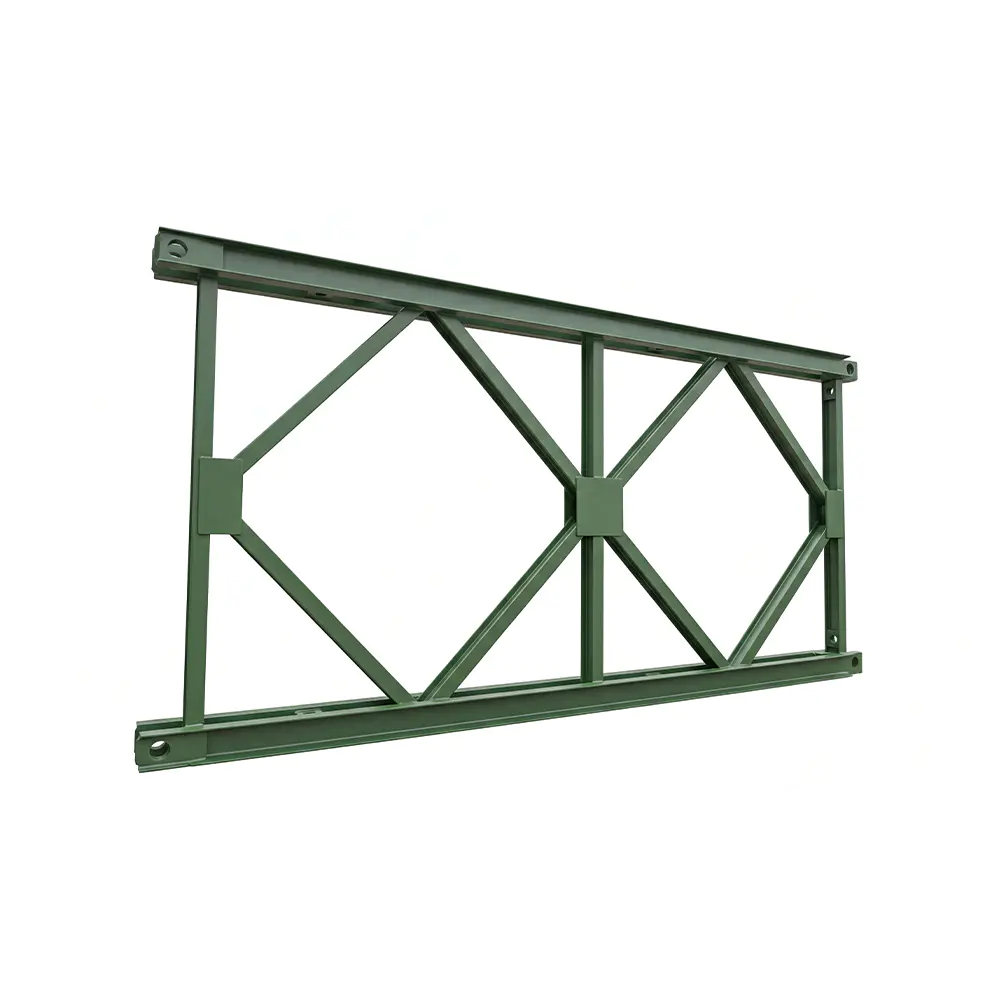
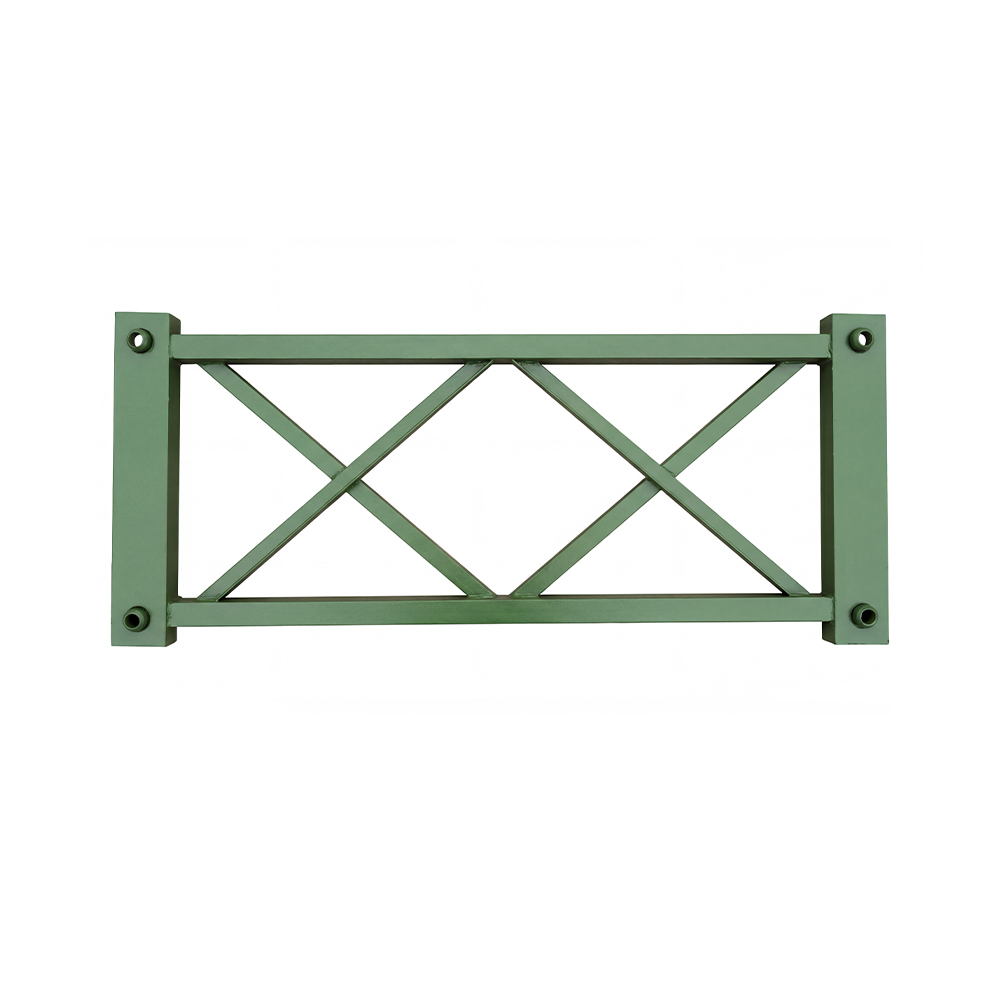
A Bailey bridge is generally assembled from prefabricated steel truss panels, transoms, stringers, decking, bracing, and connection hardware. The truss transfers loads from the bridge deck to the supports through a combination of compression and tension. The upper chord, lower chord, vertical members, diagonal members, and connection points function as an interconnected structural system rather than as isolated parts.
The lower chord is especially important because it is commonly subjected to tensile forces when the bridge carries vertical traffic loads. As vehicles move across the deck, the structure experiences bending effects, shear forces, dynamic impact, and changes in stress distribution. The lower chord must work with the rest of the truss to resist these actions and maintain an acceptable level of deflection and stability.
In a short or lightly loaded bridge, the standard lower chord may provide sufficient performance. However, additional reinforcement may become valuable when the project involves increased traffic intensity, heavy construction equipment, challenging environmental conditions, longer spans, repeated assembly and dismantling, or a requirement for improved service reliability. A lower reinforcing chord can distribute forces more effectively and provide additional structural reserve.
The YG lower reinforcing chord is developed as a dedicated reinforcement element rather than a general-purpose steel bar or improvised strengthening member. Its dimensions are standardized to support precise integration with compatible Bailey bridge components. This helps ensure that the reinforcement can be positioned correctly, connected securely, and incorporated into a wider bridge system without extensive on-site modification.
1.1 Reinforcement of the lower chord
The principal function of the component is to reinforce the lower chord of a Bailey truss. By increasing the effective steel area and improving the continuity of the load path, the component can help the bridge resist the effects associated with heavy loading and large-span applications. The exact structural benefit depends on the bridge arrangement, span, number of truss lines, deck configuration, support conditions, connection details, and design load.
For this reason, the reinforcing chord should be selected and installed as part of a complete structural design. It should not be regarded as a substitute for engineering calculations, inspection, or compliance with applicable bridge standards. Its purpose is to provide a standardized and practical reinforcement option within a properly designed modular bridge system.
1.2 Improvement of overall rigidity
Bridge performance is influenced not only by ultimate strength but also by stiffness. Excessive deformation can affect riding comfort, deck alignment, drainage, construction tolerances, and the perceived safety of users. A more rigid truss system may offer better control of deflection and improved resistance to deformation caused by repeated vehicle movement or temporary construction loads.
By strengthening the lower portion of the truss, the YG component contributes to a more robust structural framework. It can help address areas where the standard configuration may experience higher stress or where a project requires additional rigidity. This is particularly relevant to temporary bridges that must support heavy trucks, cranes, military vehicles, emergency equipment, or construction machinery.
2. Product Specifications and Engineering Characteristics
The YG lower reinforcing chord has the following basic product specifications:
| Specification |
Product Information |
| Product name |
YG Lower Reinforcing Chord for Bailey Bridge |
| Product category |
Pre-Cambered Bailey Truss |
| External dimensions |
3115 × 100 × 176 mm |
| Material |
Q355B low-alloy structural steel |
| Primary function |
Reinforcement of Bailey bridge lower chords and improvement of truss rigidity |
| Compatible application |
YG series Bailey bridge components and related modular steel structures |
| Typical project fields |
Temporary bridges, emergency bridges, semi-permanent bridges, heavy-duty support frames, municipal works, transportation, water conservancy, and defense-related infrastructure |
The stated dimensions provide a consistent basis for manufacturing, transportation, storage, and assembly planning. Standardized dimensions are particularly valuable in modular bridge projects because they reduce uncertainty during procurement and allow the component to be incorporated into repeatable construction procedures.
Q355B is a high-strength low-alloy structural steel widely used in demanding steel construction applications. Compared with ordinary structural steel grades, it provides higher yield strength and a useful balance of strength, weldability, toughness, and fabrication suitability when processed correctly. The use of Q355B supports the development of a strong and durable reinforcing component while maintaining compatibility with industrial steel manufacturing processes.
Material selection is only one part of product quality. The performance of a reinforcing chord also depends on plate quality, cutting accuracy, welding control, dimensional tolerances, connection details, surface treatment, inspection, and proper storage. A reliable supplier must therefore combine suitable raw materials with a controlled production system.
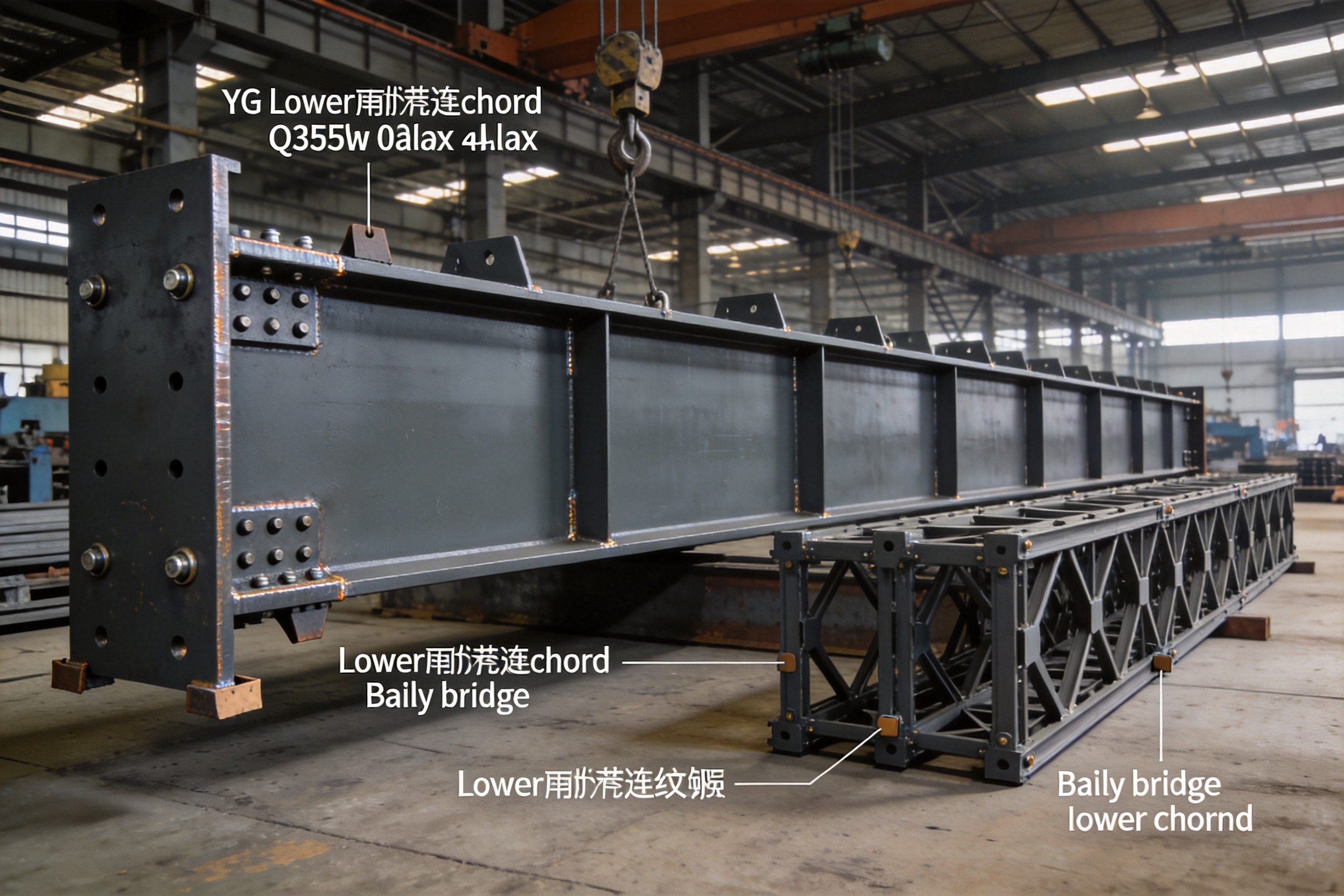
3. Advantages Compared with Improvised or Non-Standard Reinforcement
One of the main advantages of the YG lower reinforcing chord is that it provides a purpose-designed alternative to improvised strengthening methods. On some construction sites, reinforcement may be attempted using miscellaneous steel sections, locally welded plates, or components adapted from unrelated structures. Although such methods may appear convenient, they can create uncertainty in load transfer, fit-up, connection quality, inspection, and long-term durability.
A standardized reinforcing chord offers a more controlled solution. Its geometry is established before delivery, its material specification is known, and its compatibility with the intended Bailey bridge series can be verified during design. Contractors can therefore plan the reinforcement arrangement in advance rather than depending on field fabrication under variable site conditions.
3.1 Better compatibility with modular bridge systems
Bailey bridges are valued because their components are interchangeable and can be assembled into different structural arrangements. A reinforcement product that follows the same modular philosophy can be integrated into existing bridge planning procedures. The YG lower reinforcing chord is designed for precise assembly with YG series Bailey bridge components, supporting a more predictable connection between the reinforcement and the main truss.
Compatibility can reduce the need for drilling, cutting, heating, or extensive welding at the construction site. This may shorten installation time and improve the consistency of the completed bridge. It also helps contractors maintain the benefits of modular construction instead of turning a standardized bridge into a one-off fabricated structure.
3.2 More reliable load-path planning
Structural reinforcement is most effective when the forces have a clear path through the connected members. A dedicated lower chord reinforcement element can be considered during the bridge design stage, allowing engineers to review how loads are transferred through the truss, connection points, deck system, supports, and foundations.
By contrast, a non-standard member may have uncertain contact conditions or may introduce concentrated forces at locations that were not designed to receive them. The use of a standardized component helps designers and installers work from a known geometry and defined interface. This does not eliminate the need for structural verification, but it improves the basis for that verification.
3.3 Reduced field modification
Field modification can increase project risk. Cutting and welding in uncontrolled conditions may affect dimensional accuracy, coating integrity, weld quality, and material performance. It may also delay construction when suitable equipment, qualified welders, or inspection personnel are not available.
The YG reinforcing chord is manufactured as a prepared component with fixed external dimensions. When the bridge configuration is correctly planned, the component can arrive ready for assembly. Reduced site modification may improve schedule reliability and help create a cleaner, more repeatable installation process.
3.4 Improved suitability for repeated use
Many Bailey bridges are temporary or semi-permanent and may be dismantled, transported, stored, and reassembled. Components used in such systems must tolerate repeated handling and connection cycles. A standardized reinforcing chord can be inspected, catalogued, maintained, and reused more efficiently than an improvised reinforcement member with uncertain dimensions or undocumented modifications.
For rental fleets and contractors operating across multiple projects, standardized reinforcement can simplify inventory management. The component can be identified by its product type, dimensions, material grade, and intended application, helping organizations create clearer maintenance and inspection records.
4. Manufacturing Strengths and Quality Control
The performance of a steel bridge component is closely connected to the quality of its manufacturing process. A reinforcing chord must maintain its designed geometry while also providing adequate strength at welded and connected areas. For this reason, production should involve a sequence of controlled operations rather than basic cutting and assembly alone.
4.1 Material procurement and traceability
The manufacturing process begins with the selection of Q355B steel suitable for structural fabrication. Material certificates, heat numbers, thickness records, and incoming inspection results provide the foundation for traceability. Verifying the material before production helps ensure that the steel used in the finished chord corresponds to the specified grade.
Traceability is important for bridge components because the products may be used in public infrastructure, emergency-response projects, industrial access routes, or heavy construction works. Maintaining documentation enables the manufacturer and customer to review the source and processing history of the component when required.
4.2 Precision cutting and forming
Steel plates and sections must be cut according to approved production drawings. Accurate cutting supports proper fit-up during assembly and helps maintain the specified external dimensions. Modern fabrication methods can improve repeatability and reduce dimensional variation between production batches.
When forming or preparation is required, the process should be controlled to prevent excessive distortion, cracking, or unwanted residual stress. Proper preparation is particularly important for components that must align with modular bridge connection points. Even small deviations can affect assembly efficiency when several panels and reinforcement members must be connected across a complete bridge span.
4.3 Controlled welding procedures
Welding is a major part of steel bridge component manufacturing. The quality of welds influences the strength, stiffness, fatigue performance, and service life of the finished product. A controlled welding process normally includes approved welding procedures, suitable consumables, qualified operators, appropriate preheating where necessary, and control of interpass temperatures.
Weld sequence also matters. Poor sequencing can produce distortion that affects the geometry of the reinforcing chord. Manufacturers with experience in bridge steel fabrication can plan assembly and welding steps to reduce deformation and improve dimensional consistency.
After welding, visual inspection and, where required, non-destructive testing can be used to identify surface defects, incomplete fusion, cracks, undercut, porosity, or other issues. The inspection method should be selected according to the design, welding category, customer requirements, and applicable standards.
4.4 Dimensional inspection and fit-up verification
Because the product is intended for modular assembly, dimensional inspection is essential. Measurements may include overall length, width, depth, straightness, connection locations, hole positions, and relevant interface dimensions. Inspection tools and procedures should be appropriate for the component size and required tolerance.
Fit-up verification helps confirm that the reinforcing chord can be assembled with compatible Bailey bridge members. A component that meets its basic material requirement but fails to align correctly may cause delays and require costly site adjustments. Quality control should therefore consider both independent component dimensions and the practical assembly relationship with the bridge system.
4.5 Surface preparation and protection
Steel bridge components may be exposed to rain, humidity, road spray, industrial pollutants, river environments, and repeated handling. Surface preparation and protective coating can help reduce corrosion and preserve appearance and serviceability. The appropriate coating system depends on the project environment, expected service period, transportation method, and customer specification.
Coating quality also depends on surface cleanliness, environmental conditions during application, film thickness, curing time, and handling after painting. Areas affected by welding or field connection should be treated according to the project’s corrosion-protection procedures. Proper storage and transport protection are equally important because damage to coatings can occur before the component reaches the worksite.
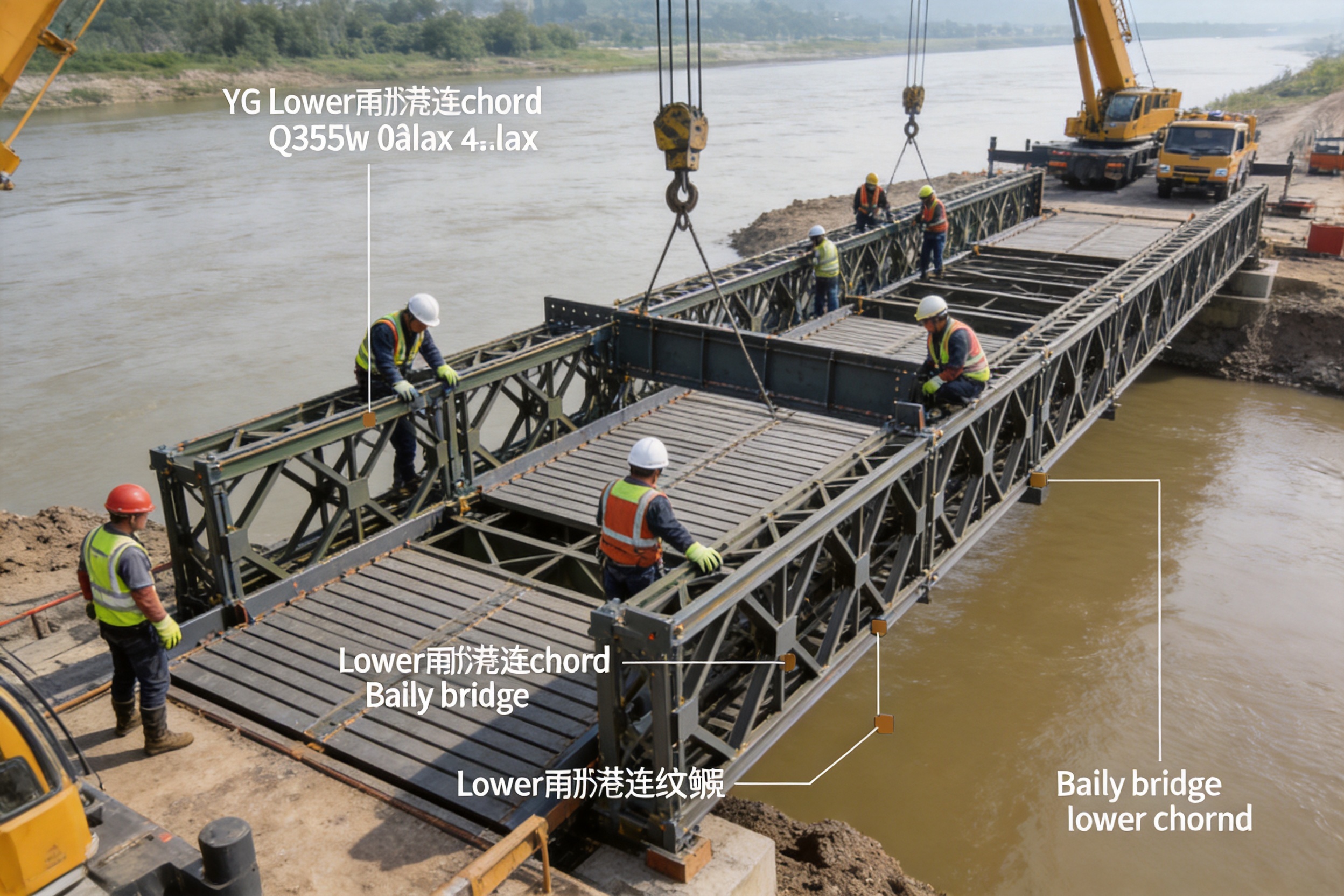
5. Manufacturing and Engineering Capabilities of the Supplier
The supplier behind the YG lower reinforcing chord is Zhenjiang Jinhao Road & Bridge Supporting Engineering Co., Ltd., a Chinese engineering enterprise established in 2017. Located in Shangdang Town Industrial Park in Dantu District, Zhenjiang City, Jiangsu Province, the company operates in a region with convenient access to road, rail, and inland waterway transportation.
The company has developed from a business focused on construction materials, industrial materials, and metal-processing materials into an enterprise engaged in the design, manufacture, erection, and leasing of modular bridge and steel formwork systems. This development gives the supplier experience across more than one stage of the product life cycle.
Its product range includes Bailey steel bridges, Type 321 Bailey truss sections, HD200 or Type 200 Bailey truss sections, triangular and diamond hanging baskets, bridge steel formwork, pier formwork, launching gantry systems, and other engineered steel structures. The YG lower reinforcing chord forms part of this broader product and engineering capability.
5.1 Experience across design, production, and erection
A manufacturer that understands only fabrication may not fully appreciate the challenges encountered during bridge erection. Conversely, an engineering company involved in design, manufacturing, erection, and leasing can obtain practical feedback from real projects. This experience can support better product development, clearer assembly guidance, and more realistic technical planning.
Bridge erection conditions vary significantly. Sites may have restricted access, unstable ground, limited lifting capacity, active traffic, water obstacles, short construction windows, or urgent operational requirements. Experience with complete bridge systems helps the supplier consider how a reinforcement component will be transported, lifted, aligned, connected, inspected, and maintained in actual use.
5.2 System-based product development
The YG reinforcing chord is not an isolated steel product. It belongs to a family of modular bridge components that must work together. System-based development allows the manufacturer to consider interface dimensions, assembly sequences, structural arrangements, and compatibility with other truss members.
This approach is beneficial to customers because bridge performance depends on the complete configuration. A lower chord reinforcement member must be coordinated with the number of truss lines, panel arrangement, transoms, stringers, deck type, bracing, supports, and launch method. A supplier with broad product knowledge can participate more effectively in this coordination process.
5.3 Custom fabrication and technical support
Although the YG lower reinforcing chord has standardized dimensions, bridge projects may differ in span, width, loading, site conditions, transport restrictions, and construction sequence. The company provides customized fabrication, design and system planning, technical support, and quality management services for engineering customers.
Customization does not necessarily mean changing every product dimension. It may involve selecting the right bridge arrangement, calculating the number of required reinforcement members, coordinating delivery batches, preparing assembly documentation, or adapting the system to a particular erection method. This service capability can be especially useful for contractors who need a complete bridge solution rather than a single component.
6. Applications in Transportation and Infrastructure
The YG lower reinforcing chord can be applied in a range of projects where Bailey bridge trusses require additional lower-chord capacity or rigidity. The component is relevant to both temporary and semi-permanent construction, subject to project-specific structural design and approval.
6.1 Temporary access bridges
Construction sites often require access across rivers, drainage channels, excavations, rail corridors, or areas where the permanent road network is unavailable. A modular bridge reinforced with suitable lower chord members can provide access for trucks, excavators, cranes, and material deliveries.
Temporary bridges may experience concentrated wheel loads and frequent vehicle movements. Reinforcement planning can help the bridge accommodate the intended traffic more reliably while reducing the need for site-built steelwork. At the end of the project, the bridge can be dismantled and its components moved to another location.
6.2 Emergency and disaster-response bridges
Flooding, earthquakes, landslides, infrastructure failures, and severe storms can interrupt transportation routes. Emergency bridges must be deployed quickly, often in difficult conditions and with limited equipment. Modular Bailey systems are well suited to these situations because their components can be transported in sections and assembled with relatively simple construction methods.
A lower reinforcing chord can provide additional capacity when emergency traffic includes heavy rescue vehicles, supply trucks, or construction equipment. Its standardized format may also simplify the preparation of pre-positioned bridge inventories for government agencies and emergency-response organizations.
6.3 Municipal and water conservancy projects
Municipal construction may require temporary crossings during road upgrades, utility works, drainage improvements, or bridge replacement. Water conservancy projects may need access over canals, flood channels, reservoirs, and temporary diversion routes. In these environments, construction speed and adaptability are often as important as long-term appearance.
Bailey bridge components can be assembled in stages, allowing project teams to respond to changing site conditions. Reinforced truss arrangements may be selected when the bridge must support construction traffic or when the span and support layout create greater demand on the structural system.
6.4 Railway and industrial support works
Steel modular bridge systems can also support railway construction, industrial logistics, plant expansion, mining operations, and large-scale civil engineering projects. They may be used as temporary access bridges, guide beams, work platforms, material transport routes, or support structures.
In industrial environments, the bridge may need to support repeated heavy loading over an extended construction period. The use of an engineered lower reinforcing chord can contribute to a more robust support arrangement when integrated with suitable design calculations and inspection procedures.
6.5 Guide beams, gantries, and support structures
Bailey truss components are not limited to conventional roadway bridges. Depending on the system arrangement and engineering design, they may be used as guide beams, arches, tower columns, gantry hangers, bridge erection machines, or climbing formwork systems.
The lower reinforcing chord can be valuable in these applications because the modular steel members may experience significant tension, bending, or repeated construction loads. However, each alternative application requires a separate structural assessment. The component should be used only where its geometry, connection method, and material properties are appropriate for the intended function.
7. Installation and Project Planning Considerations
Successful use of the YG lower reinforcing chord begins before the product reaches the site. The project team should establish the bridge arrangement, design loading, span, roadway width, support conditions, erection method, and reinforcement requirements. The number and location of reinforcing chords should be determined by qualified engineers based on the complete structure.
7.1 Review of design requirements
Important design inputs may include dead load, live load, vehicle classification, impact factors, wind, temperature, seismic effects, water conditions, foundation movement, lateral stability, fatigue considerations, and construction-stage loads. For temporary bridges, the expected service duration and number of load cycles should also be considered.
The reinforcement component should be checked together with its connections. The strength of a chord is not sufficient if bolts, welds, gusset plates, panel joints, or supporting members cannot transfer the required forces. The bridge design should also consider erection-stage conditions, since partially assembled trusses may behave differently from the completed structure.
7.2 Transportation and storage
The component dimensions allow transportation planning using common industrial logistics methods, but loading arrangements should prevent excessive bending, impact, and coating damage. Members should be secured during transport and protected from uncontrolled movement.
At the site, components should be stored on stable supports above standing water and mud. Contact with corrosive substances, construction debris, and incompatible metals should be minimized. Identification marks and inspection records should be maintained so that the correct component is used in the intended bridge assembly.
7.3 Assembly sequence
Installation normally involves preparing the foundations or supports, arranging panels and reinforcing components, installing transoms and deck members, completing bracing, and checking alignment before the bridge is opened to traffic. The actual sequence depends on the bridge type and erection method.
Where the bridge is launched from one bank, temporary nose sections, rollers, launching equipment, counterweights, and staged reinforcement may be required. Where the bridge is assembled in place, cranes or lifting equipment may be used. The reinforcing chord should be installed in accordance with approved drawings and the manufacturer’s technical instructions.
7.4 Inspection before service
Before opening the bridge, the project team should inspect all accessible connections, structural members, deck components, bearings, bracing, guardrails, and approach transitions. Particular attention should be paid to the alignment and connection of the lower reinforcing chord.
Any damaged coating, deformation, loose fastener, incomplete weld, or unapproved modification should be addressed before loading. Depending on the bridge design and local regulations, a proof load test, controlled trial crossing, or formal acceptance inspection may be required.
8. Maintenance, Reuse, and Lifecycle Value
One of the most important advantages of modular steel bridge components is the opportunity for reuse. A well-maintained reinforcing chord can support multiple projects over its service life. This can reduce the need to purchase new structural steel for every temporary crossing and may improve the economic value of a contractor’s bridge inventory.
8.1 Routine inspection
Inspection intervals should be established according to traffic volume, environmental exposure, service duration, and applicable regulations. Inspectors should look for corrosion, coating loss, dents, distortion, cracks, weld defects, bolt damage, hole elongation, and evidence of abnormal movement.
Areas around connection points deserve special attention because stress concentrations, moisture retention, and repeated assembly can affect service condition. Any member exposed to collision, overloading, fire, or flooding should receive a detailed assessment before reuse.
8.2 Corrosion management
Corrosion protection is particularly important in humid, coastal, industrial, and water-related environments. Damaged coatings should be cleaned and repaired using an approved system. Severe corrosion that reduces the effective steel thickness may require engineering evaluation, repair, or replacement.
Storage conditions influence corrosion just as much as operating conditions. Components should be allowed to drain, inspected after transport, and stored in a way that supports ventilation. Keeping records of coating repairs and environmental exposure can help improve maintenance planning.
8.3 Reuse assessment
Before a reinforcing chord is reused, its history should be reviewed where records are available. The component should be checked for dimensional stability, straightness, connection condition, weld integrity, and remaining corrosion protection. Reuse should be approved only when the member remains suitable for the new bridge configuration and design loading.
Standardized products make this process more manageable because inspection teams can compare the member with known drawings, dimensions, and product requirements. This is another advantage over improvised reinforcement, which may lack reliable documentation and consistent geometry.
9. Why Choose a Specialized Bailey Bridge Manufacturer?
Purchasing a structural reinforcement component from a specialized Bailey bridge manufacturer offers advantages beyond material supply. The supplier can help customers understand how the component interacts with truss panels, bridge decks, erection systems, and project-specific loading requirements.
A specialized manufacturer is also more likely to understand the practical needs of modular construction: interchangeability, packaging, site handling, rapid erection, dismantling, repair, leasing, and fleet management. These considerations are central to the value of Bailey bridge systems but may be overlooked by suppliers that only produce general steel sections.
Zhenjiang Jinhao Road & Bridge Supporting Engineering Co., Ltd. combines product manufacturing with bridge design, erection, leasing, and technical support. This combination allows the company to serve contractors, government agencies, engineering companies, and infrastructure owners seeking complete or partially customized steel bridge solutions.
The company’s location in Jiangsu Province provides access to established transportation and industrial networks. Its product portfolio covers several types of Bailey truss systems, launching gantries, hanging baskets, pier formwork, and bridge steel formwork. This broader capability can support projects requiring coordinated delivery of multiple steel systems.
Its service philosophy emphasizes customer-oriented cooperation, practical engineering, quality management, technical development, and long-term business relationships. For an international customer, these factors can be important when selecting a supplier for bridge components that must be integrated into a project with strict schedule, safety, and documentation requirements.

10. Frequently Asked Questions
What is the YG lower reinforcing chord used for?
The YG lower reinforcing chord is used to strengthen the lower chord area of compatible Bailey bridge trusses. Its purpose is to improve lower-chord load-bearing performance and contribute to greater overall truss rigidity, particularly in heavy-load, large-span, temporary, emergency, and semi-permanent bridge applications.
What are the dimensions of the product?
The specified external dimensions are 3115 × 100 × 176 mm. These standardized dimensions support predictable transportation, storage, assembly, and compatibility planning with YG series Bailey bridge components.
What material is used to manufacture the reinforcing chord?
The product is manufactured from Q355B low-alloy structural steel. This grade is selected for its high strength and suitability for structural fabrication when processed and inspected according to appropriate manufacturing procedures.
Can the reinforcing chord be used with any Bailey bridge?
The component is designed for precise assembly with YG series Bailey bridge components. Compatibility with another bridge type or manufacturer’s system should be confirmed before purchase. The customer should provide bridge drawings, connection details, loading requirements, and configuration information for technical review.
Does the component eliminate the need for structural calculations?
No. The reinforcing chord is a structural component, but its use must be incorporated into a complete bridge design. Engineers should verify span, loads, truss arrangement, connections, foundations, stability, deflection, and construction-stage conditions before installation and service.
Can it be used for a permanent bridge?
It can be considered for temporary, semi-permanent, and selected permanent applications when the complete bridge system is properly designed, approved, protected against corrosion, inspected, and maintained. Suitability depends on project requirements and applicable engineering regulations.
What advantages does a standardized reinforcing chord provide?
A standardized component can improve compatibility, reduce field modification, support consistent assembly, simplify inspection, and make storage and reuse easier. It also gives engineers a known geometry and material specification for structural planning.
What industries and projects can use this product?
Potential applications include transportation infrastructure, emergency access, municipal construction, water conservancy, railway works, national defense-related infrastructure, industrial construction, bridge replacement projects, and heavy-duty support frames.
Can the manufacturer provide customized bridge solutions?
The supplier provides customized fabrication, design and system planning, technical support, and quality management services. Customization may include bridge configuration, reinforcement planning, delivery coordination, and technical documentation based on the project’s requirements.
How should the product be maintained?
The reinforcing chord should be inspected for corrosion, deformation, cracks, coating damage, and connection defects. It should be stored on stable supports, protected from standing water and impact, and repaired or evaluated by qualified personnel after abnormal loading or damage.
Can the component be reused?
Yes, modular bridge components are often designed for repeated use. Reuse should follow a condition assessment that verifies the member’s geometry, material condition, welds, connection areas, corrosion protection, and suitability for the new design loading.
Why is Q355B suitable for this application?
Q355B provides a higher-strength structural steel option with useful fabrication characteristics. Its suitability depends on correct material control, welding procedures, dimensional fabrication, inspection, surface treatment, and use within an engineered structure.
11. Conclusion
The YG lower reinforcing chord is a practical structural enhancement for Bailey bridge systems that require increased lower-chord capacity and improved rigidity. Its standardized 3115 × 100 × 176 mm dimensions, Q355B material, and compatibility with YG series components make it suitable for modular bridge construction where predictable assembly and efficient reinforcement are important.
Compared with improvised steel reinforcement, a dedicated lower chord component offers better dimensional control, clearer load-path planning, reduced site modification, improved interchangeability, and more convenient inspection and reuse. These advantages are especially valuable in temporary, emergency, semi-permanent, and heavy-duty infrastructure projects where speed, adaptability, and structural reliability must be balanced.
The product’s effectiveness depends on more than its material grade or dimensions. Proper engineering design, connection verification, controlled manufacturing, surface protection, correct installation, and continuing inspection are essential to achieving reliable bridge performance. A reinforcement component should always be treated as part of a complete structural system.
With experience in Bailey bridges, launching gantries, hanging baskets, bridge steel formwork, pier formwork, design, erection, leasing, and customized fabrication, Zhenjiang Jinhao Road & Bridge Supporting Engineering Co., Ltd. is positioned to support customers seeking integrated modular steel bridge solutions. Its manufacturing and engineering capabilities provide a foundation for projects that require standardized components as well as application-specific technical coordination.
For contractors, government agencies, infrastructure owners, and engineering companies, the YG lower reinforcing chord can provide a strong and flexible option for strengthening compatible Bailey bridge trusses. When selected through proper technical review and used in accordance with an approved structural plan, it can contribute to safer, more durable, and more efficient modular bridge construction.
References
1. Product specification information for the YG Lower Reinforcing Chord for Bailey Bridge, including stated dimensions and Q355B material.
2. General engineering principles for prefabricated modular steel bridges and Bailey truss systems.
3. Structural steel fabrication practices for cutting, forming, welding, inspection, and corrosion protection.
4. Technical guidance for temporary, emergency, and semi-permanent bridge planning, erection, inspection, and maintenance.
5. Manufacturer-provided information concerning Bailey bridge components, launching gantries, bridge steel formwork, hanging baskets, and customized engineering services.
6. General standards and professional practices for the design, construction, inspection, and maintenance of steel bridge structures.


 Français
 Español
 عربى