Introduction
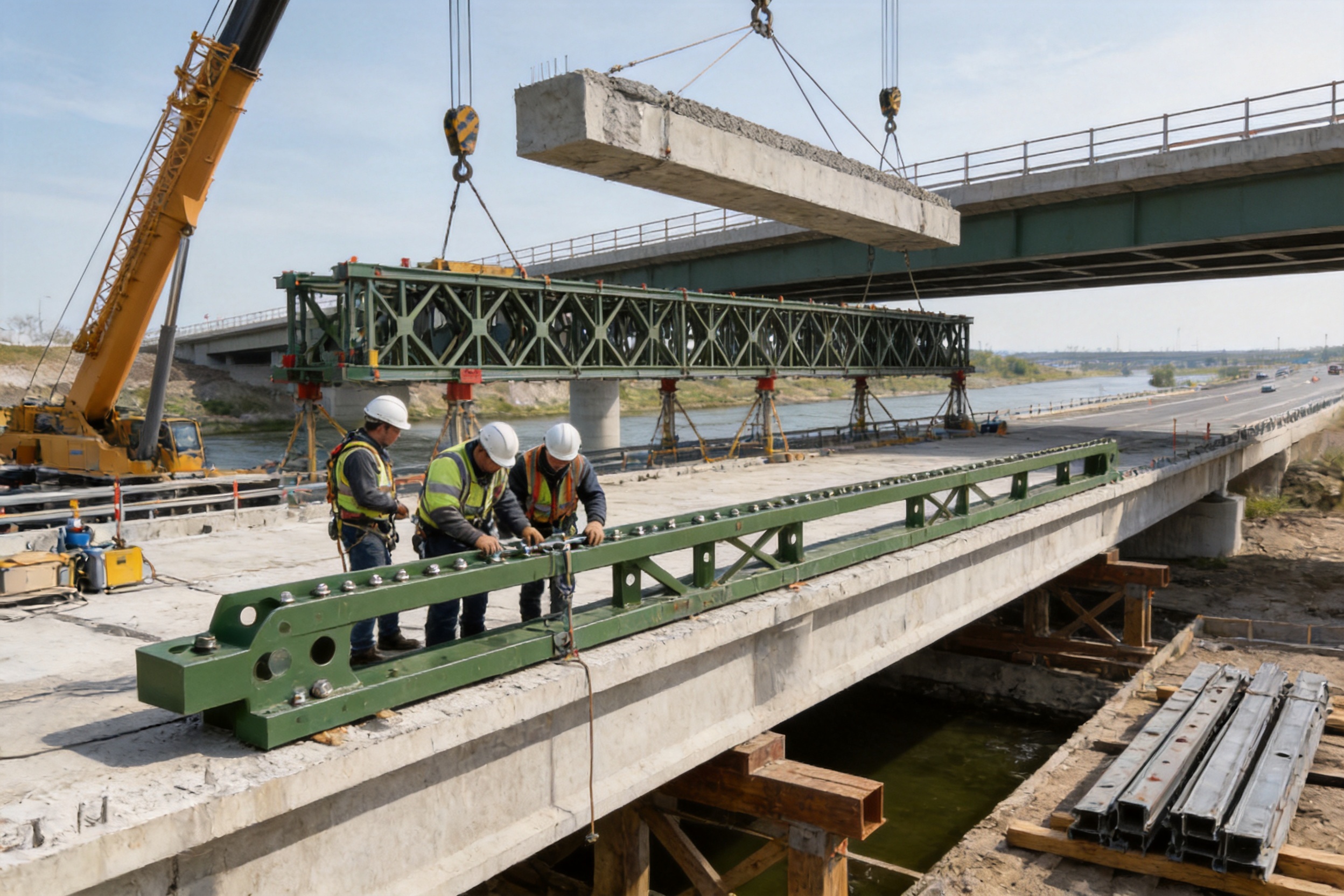
Cast-in-place bridge construction requires temporary and semi-permanent support systems that can safely resist construction loads, control deformation, and maintain alignment throughout the concrete placement and curing process. As bridge spans become longer and construction conditions become more demanding, ordinary support members may not provide sufficient bending resistance or structural stability. The Type 321 reinforced tension member is designed to address this requirement by strengthening Bailey bridge-based support structures and improving their performance over large spans.
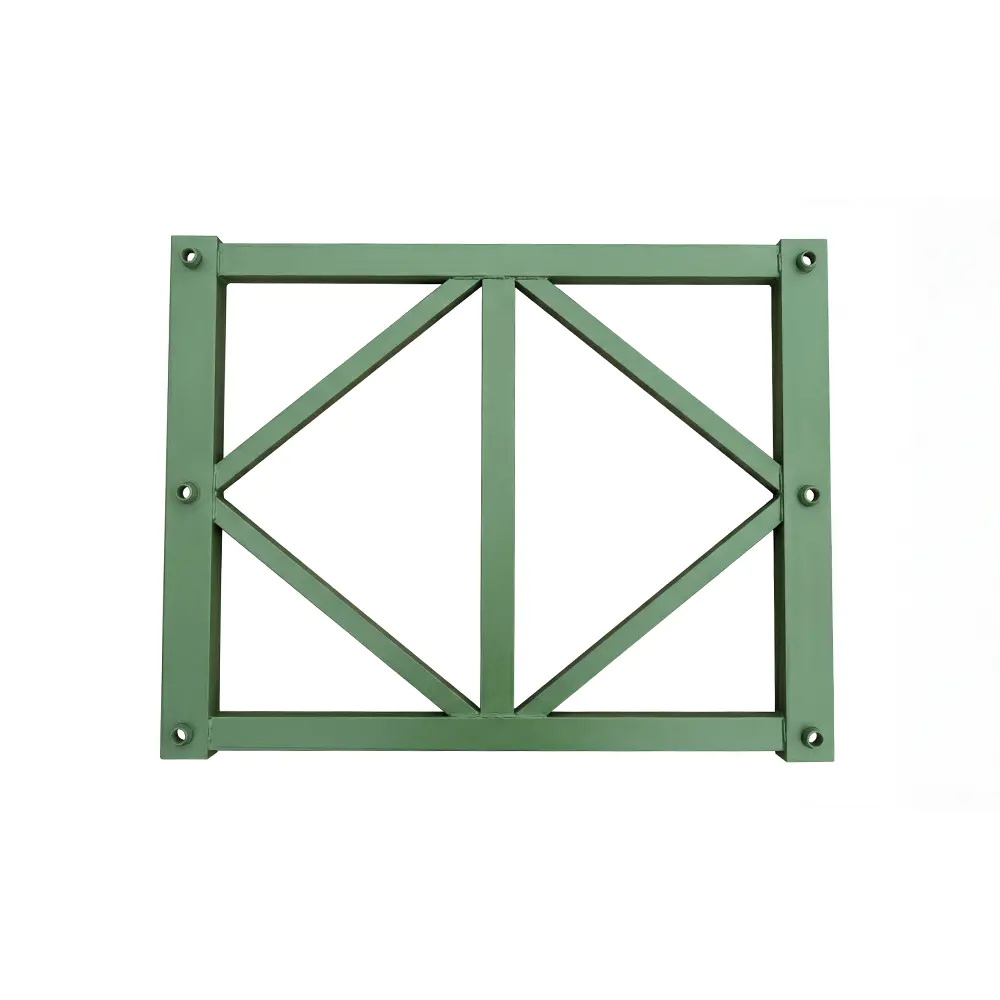
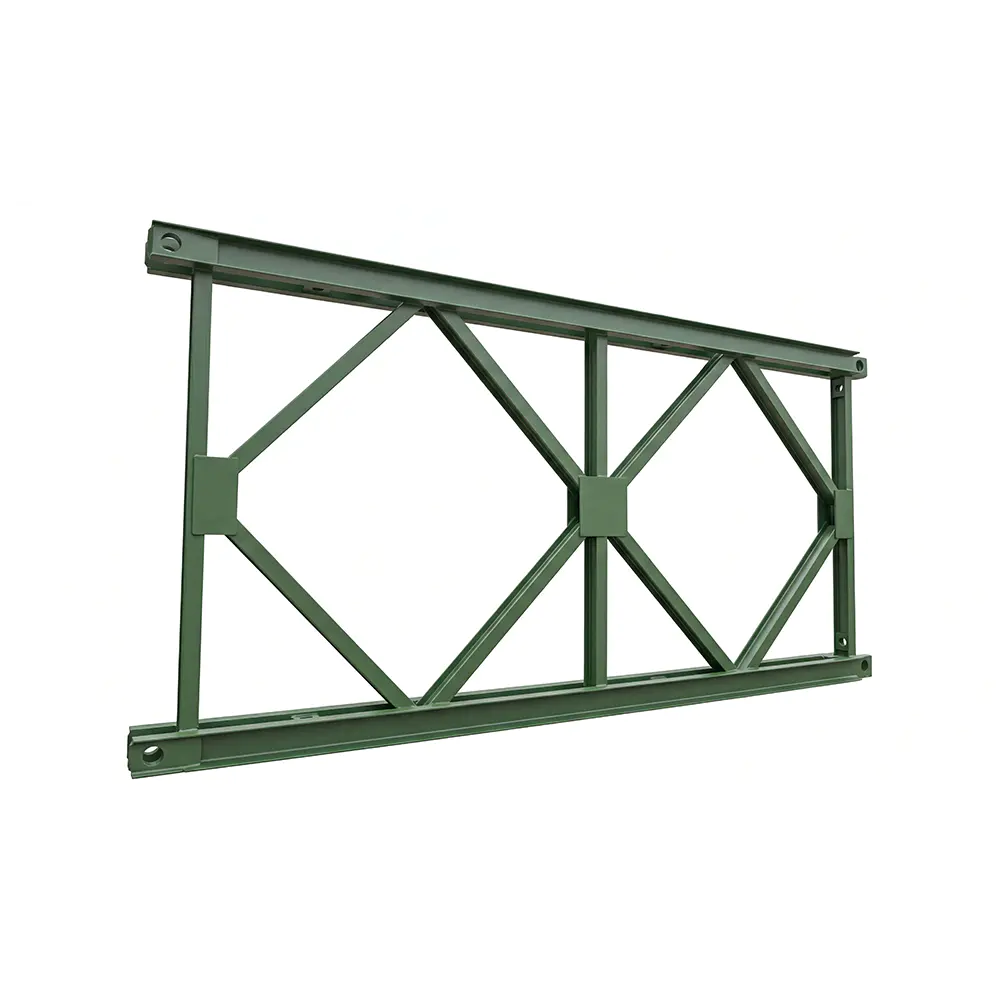
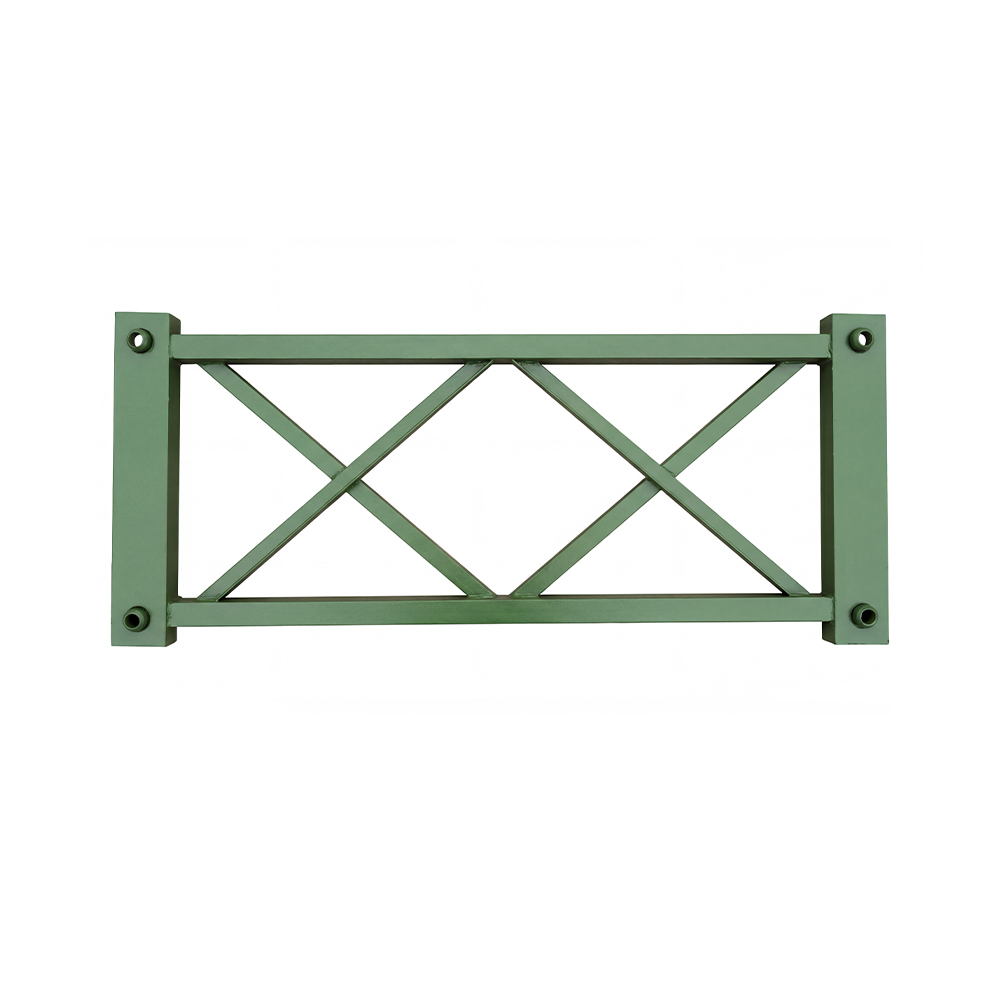
This component uses two 10# channel steel sections arranged as a reinforced member. Its structural concept is similar to the chord members used in Bailey bridge panels, allowing it to connect with Bailey bridge sections through chord bolts. The result is a modular, compatible, and highly practical reinforcement solution for cast-in-place bridge support structures.
Unlike a completely independent temporary support frame, the Type 321 reinforced tension member can be integrated into a Bailey bridge support system. This makes it especially useful for contractors and engineering companies that already use Type 321 Bailey bridge components, temporary bridge materials, bridge erection equipment, or modular steel support systems. By improving the bending resistance of the assembled structure, the member can help support larger working spans while retaining the assembly advantages of standardized steel bridge components.
The product is manufactured from Q235B structural steel and has defined outer and center distance dimensions. Its standardized geometry supports repeatable production, convenient transportation, straightforward site assembly, and interchangeability with compatible Bailey bridge components. These characteristics make it suitable for bridge construction, temporary support works, formwork support, launching operations, and other engineered steel structures.
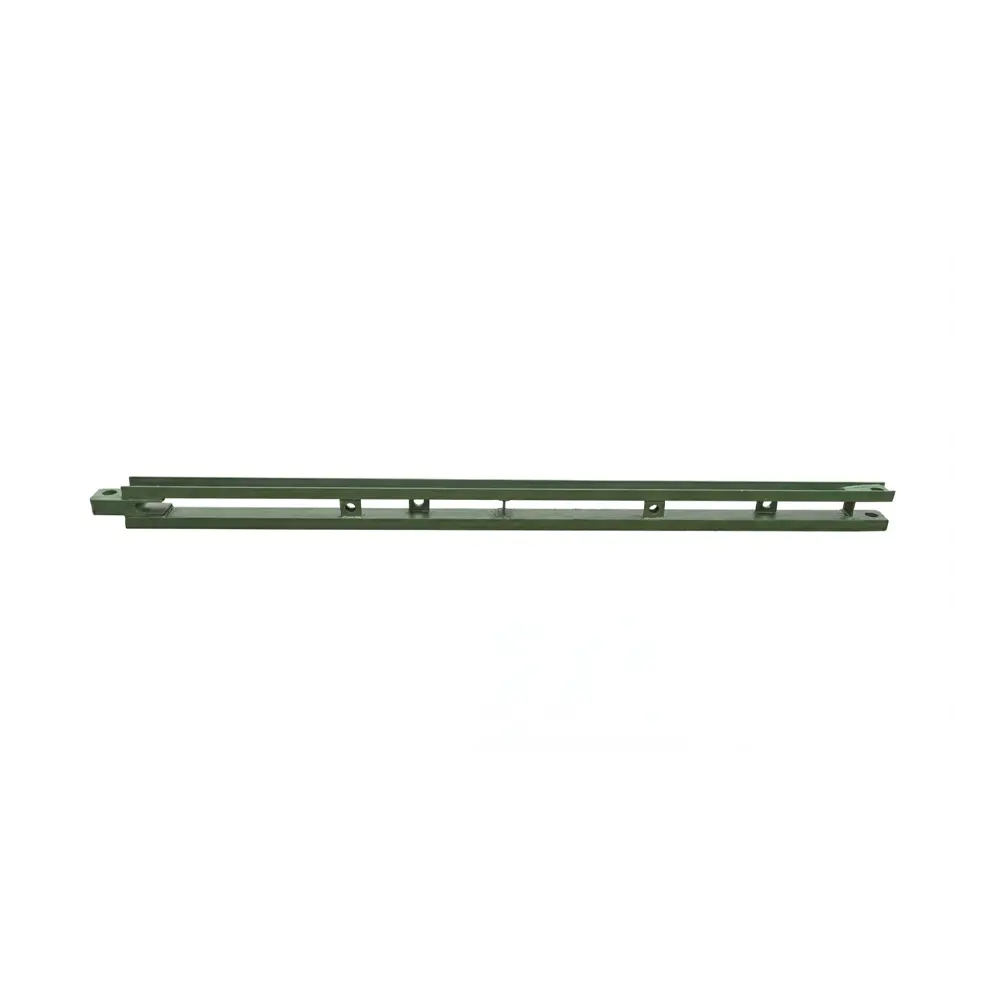
Type 321 - Reinforced Tension Member For Cast-In-Place Support Structure
Product Overview
The Type 321 reinforced tension member is a steel reinforcement component developed for cast-in-place bridge support structures. It is principally used to increase the overall resistance of a modular Bailey bridge-based support system against bending and construction-related deformation.
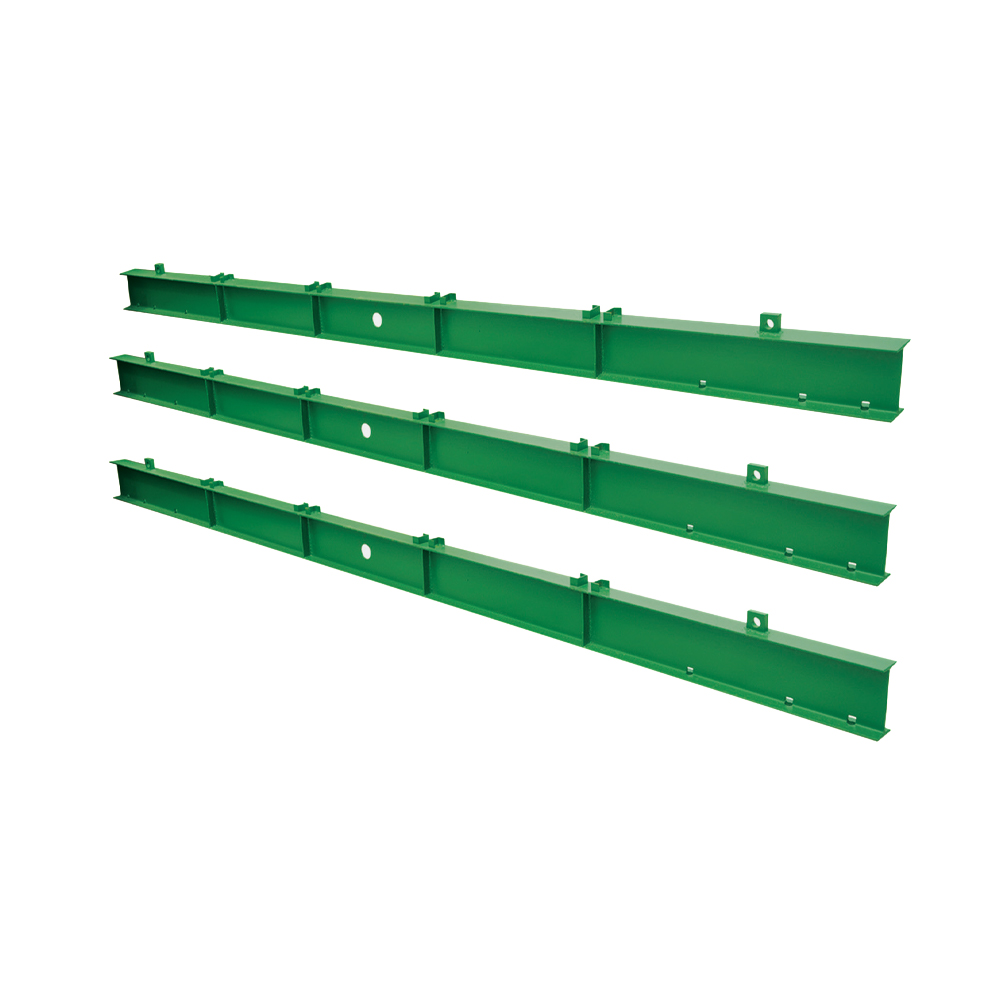
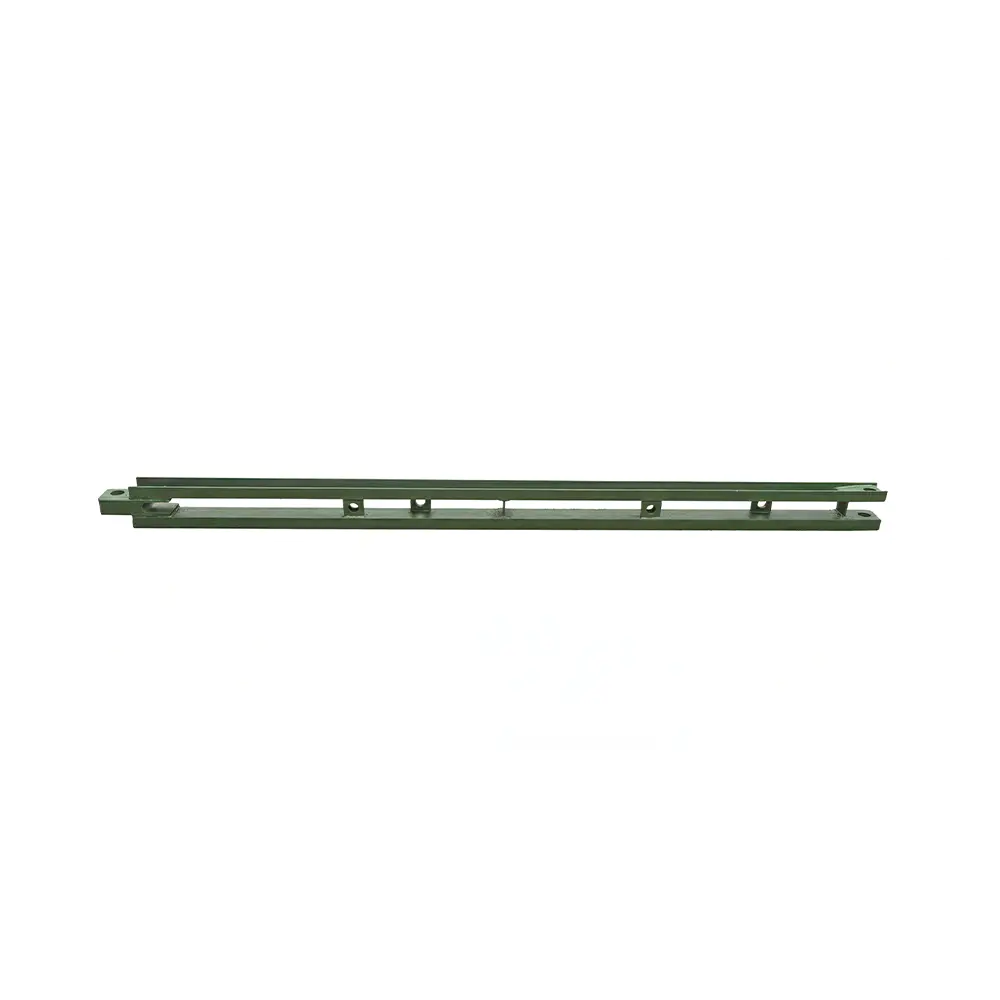
The member consists of double 10# channel steel sections. The channels form a strengthened structural assembly that performs in a manner comparable to the chord members of a Bailey bridge. Through chord bolt connections, the reinforcement member can be joined to Bailey bridge sections without requiring extensive welding or complex field fabrication.
This connection method is important in temporary works. Construction support systems are often assembled in changing environments, and contractors may need to modify span arrangements, strengthen specific locations, or dismantle the structure after the concrete reaches the required strength. A bolted modular component is more adaptable than a permanently welded support frame and can be reused in future projects.
The Type 321 product is categorized as a cast-in-place bridge Bailey support component. It may be incorporated into support arrangements for bridge decks, viaduct sections, construction platforms, working trestles, and other structures where formwork and fresh concrete must be supported during construction.
Principal Product Data
Product type |
Type 321 reinforced tension member |
Primary application |
Cast-in-place bridge support structure |
Structural configuration |
Double 10# channel steel sections |
Connection method |
Connection to Bailey bridge sections through chord bolts |
Outer dimensions |
1260 × 985 × 77 mm |
Center distance dimensions |
1180 × 900 mm |
Material |
Q235B structural steel |
Structural purpose |
Improving overall bending resistance over large spans |
The dimensions establish the geometry required for integration with the corresponding modular support structure. The outer dimensions define the overall envelope of the member, while the center distance dimensions provide important information for connection layout, load transfer, and compatibility with adjoining Bailey bridge sections.
Why Reinforcement Is Important in Cast-In-Place Construction
In cast-in-place bridge construction, the support system must carry more than the weight of the permanent formwork. It may also be subjected to the weight of wet concrete, reinforcement steel, construction workers, tools, pumping equipment, vibration, material storage, wind, and temporary impact. These loads can vary during the construction cycle and may produce bending, axial force, shear, local stress concentration, and connection movement.
Fresh concrete is particularly important because it behaves as a heavy fluid before hardening. It can generate changing pressure on formwork, and the load may not be distributed perfectly evenly. A support structure that appears adequate under a simple static calculation may experience additional deflection during concrete placement if it lacks sufficient stiffness or if load paths are not properly controlled.
Longer spans increase the influence of bending. Even when the material strength is adequate, excessive deflection can affect deck geometry, formwork alignment, concrete thickness, drainage slopes, and the final appearance of the bridge. Excessive movement can also create secondary loads in connections and may reduce the safety margin of the temporary works.
For this reason, strengthening members are often required in modular support systems. The Type 321 reinforced tension member provides a practical way to enhance the structural behavior of a Bailey bridge support arrangement. Its double-channel configuration increases the effective structural section, while its connection to Bailey bridge chord locations helps transfer forces through an established modular load path.
Structural Design Concept
Double Channel Steel Configuration
The use of two 10# channel steel sections gives the product a reinforced configuration rather than relying on a single light section. The paired channels work together as a structural member when properly connected and installed. This arrangement can increase stiffness and improve resistance to bending compared with an equivalent single-channel member.
The actual capacity of any installed system depends on multiple factors, including span, support conditions, bracing, connection quality, load distribution, member orientation, steel properties, and construction sequence. The reinforced member should therefore be used as part of an engineered support arrangement rather than treated as an isolated component with a universal load rating.
Connection to Bailey Bridge Chords
The Type 321 member connects to Bailey bridge sections by chord bolts. Bailey bridge systems are valued for their standardized panels, repetitive geometry, and interchangeable components. By using a connection principle consistent with the Bailey system, the reinforced tension member can be incorporated without extensive modification to the main truss sections.
Bolted connections also provide practical benefits during erection. Workers can assemble the member with common bridge construction tools, inspect the connection visually, and remove the component after use. If a project requires a different support configuration, the member can potentially be repositioned or reused, subject to engineering review and inspection.
Improving Bending Resistance
The stated purpose of the product is to significantly enhance the overall bending resistance of a Bailey bridge support structure over large spans. This is achieved by adding a reinforced structural path that works with the existing truss or support members. The improvement is not limited to simply adding more steel; it depends on how the member is positioned, connected, braced, and incorporated into the complete load-bearing system.
When the product is correctly integrated, loads can be distributed through the modular structure more effectively. The reinforced member can help reduce local overstress and limit deformation in critical regions. It may be particularly valuable where support points are widely spaced or where the project requires a clear working area beneath the bridge deck.
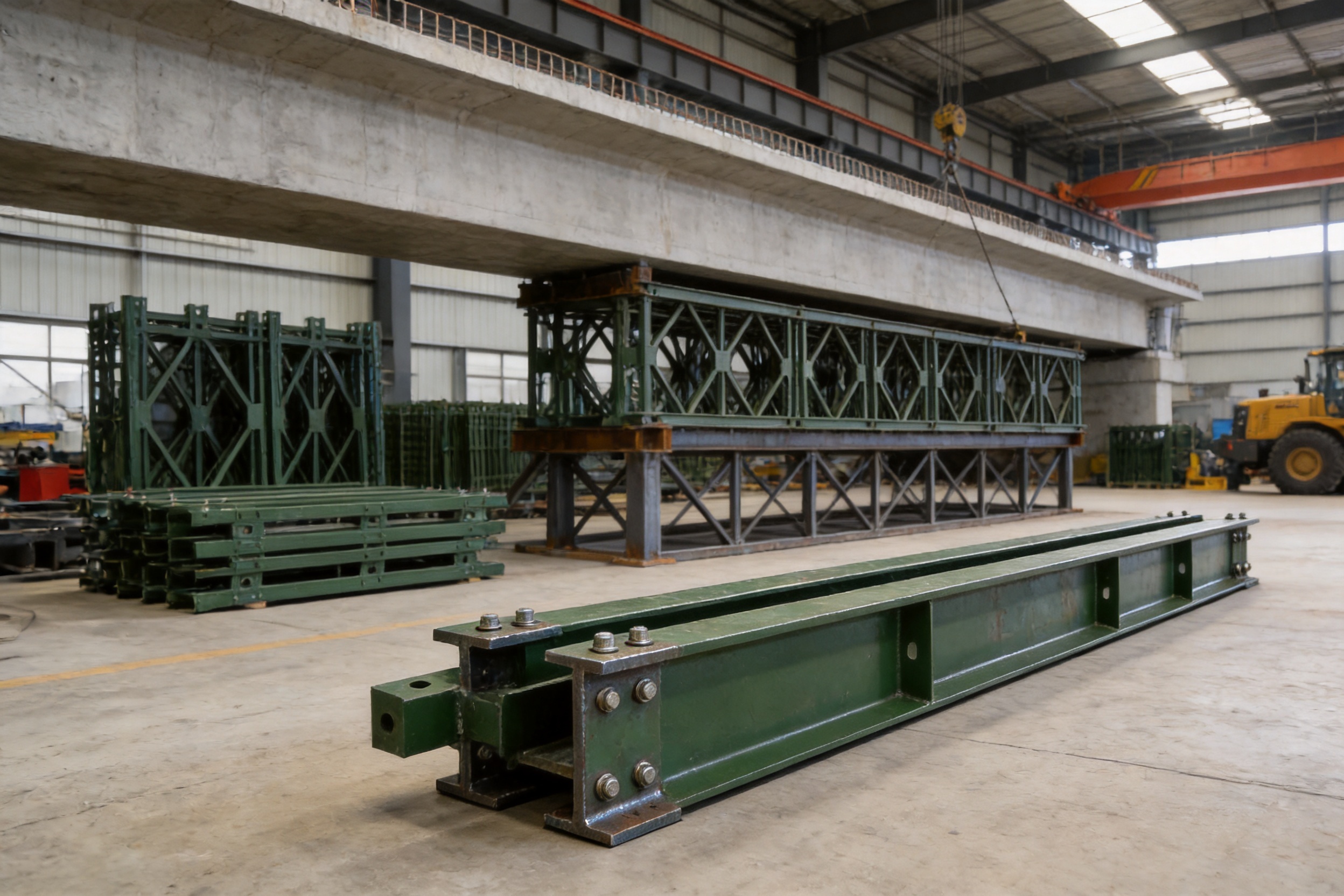
Advantages Compared with Conventional Support Reinforcement
Modular Compatibility
One of the main advantages of the Type 321 reinforced tension member is its compatibility with Bailey bridge sections. A conventional cast-in-place support frame may require project-specific cutting, welding, drilling, and fabrication. Such work can increase preparation time and create greater dependence on site labor and equipment.
The Type 321 product follows a standardized modular concept. Its geometry and chord bolt connection allow it to be incorporated into a support system assembled from recognized Bailey bridge components. This can simplify planning for contractors who already maintain Bailey bridge inventories or who need a solution compatible with modular bridge materials.
Reduced Site Fabrication
Site fabrication can be affected by weather, access limitations, power availability, labor skill, and inspection requirements. Reducing the amount of field welding and cutting can improve consistency and shorten the preparation period. A factory-produced member arrives with a defined configuration and can be installed according to an approved assembly plan.
This does not eliminate the need for skilled erection or engineering supervision. Bolts must still be correctly selected, installed, tightened, and inspected. However, the use of a standardized component can make the work more predictable than building every reinforcement member from raw steel at the project site.
Improved Reusability
Temporary bridge components are often expected to serve more than one project. Reusability can lower the life-cycle cost of support equipment and reduce the quantity of new steel required for each construction operation. Because the Type 321 member is bolted and modular, it can be dismantled, inspected, stored, transported, and assembled again when required.
Reuse should always be controlled by a documented inspection process. Members exposed to overload, impact, corrosion, fire, unauthorized drilling, or permanent deformation should not be returned to service without technical evaluation. Proper storage and maintenance are essential to preserving the value of reusable steel components.
Efficient Transport and Handling
Standardized steel members are easier to include in transport plans than irregular project-fabricated frames. Their defined dimensions support more efficient loading, stacking, and inventory control. On the construction site, modular pieces can be moved with common lifting equipment appropriate to their mass and the site conditions.
Transport efficiency is especially useful for emergency bridge work, remote projects, water conservancy construction, railway works, and locations where access is restricted. A compact collection of standardized components can be dispatched quickly and assembled according to a planned configuration.
Adaptability to Different Projects
The member can support a wide range of cast-in-place bridge construction arrangements, subject to design verification. It may be useful in temporary support structures, bridge deck formwork support, launching-related support systems, access structures, and other applications based on Bailey bridge geometry.
Its adaptability comes from the broader modular system rather than from a claim that one member configuration fits every span. Engineers can select the number of truss lines, reinforcement positions, bracing arrangements, support spacing, and connection details according to the project loads and site conditions.
Material Selection and Manufacturing Quality
Q235B Structural Steel
The product is made from Q235B steel, a widely used structural steel grade for fabricated construction components. Its established use in steel structures supports material availability, fabrication familiarity, and compatibility with common welding and inspection procedures.
Material selection affects not only strength but also manufacturability, repairability, and supply reliability. A standardized structural steel grade can make it easier to obtain material certificates, organize quality records, and maintain consistent production across batches.
For engineering projects, the material certificate should be reviewed against the purchase specification and applicable standards. Where required, chemical composition, mechanical properties, heat number, and inspection records should be retained as part of the project quality documentation.
Controlled Steel Processing
The manufacturing process begins with material preparation and dimensional verification. Steel sections must be checked for visible defects, section size, straightness, and identification before processing. Accurate preparation is essential because the final member must align with the connection geometry of compatible Bailey bridge components.
Channel steel sections are cut to the specified lengths using controlled equipment. The cutting process should provide clean ends and consistent dimensions. Excessive burrs, distortion, or inaccurate cuts can interfere with assembly and create local contact problems at the connection points.
Where holes or connection features are required, their position must be controlled carefully. Chord bolt connections depend on accurate hole spacing and alignment. Production personnel should use approved drawings, fixtures, templates, or computer-controlled equipment to minimize dimensional variation.
Welding and Assembly Control
If the double-channel configuration includes welded joining plates, spacers, stiffeners, or other fabricated details, welding should be performed according to an approved welding procedure. Welders should be suitably qualified for the work, and welding consumables should be stored and used according to technical requirements.
Welding control includes joint preparation, fit-up, preheating where required, welding sequence, interpass cleaning, and visual inspection. A controlled welding sequence helps reduce distortion and maintain the intended geometry of the member. Critical welds may require additional non-destructive testing according to the project specification.
The company’s manufacturing strength is supported by its broader experience in steel bridge products, bridge formwork, launching gantry systems, hanging baskets, and engineered steel structures. This product range indicates familiarity with the fabrication requirements associated with load-bearing construction equipment, including cutting, forming, welding, assembly, dimensional control, and surface treatment.
Dimensional Inspection
Dimensional inspection is essential for a modular component. Inspectors should verify the overall envelope, center distances, channel alignment, connection-hole positions, flatness, straightness, and the condition of contact surfaces. Measurements should be taken using calibrated tools and recorded in quality documentation.
Accurate inspection reduces the risk of difficult field assembly. When components are produced within controlled tolerances, installers can connect them more efficiently and avoid forcing misaligned parts into position. This also helps protect bolts, holes, and adjacent Bailey bridge members from unintended stress during erection.
Surface Protection
Steel support components used outdoors may be exposed to rain, humidity, dust, construction chemicals, and water spray. Appropriate surface preparation and protective coating can help reduce corrosion during storage, transport, and service.
Surface treatment should be selected according to the project environment and the expected service period. Before coating, the steel surface should be cleaned and prepared to remove oil, rust, scale, and contaminants. Coating thickness, appearance, adhesion, and repair of damaged areas should be checked according to the applicable quality plan.
For components intended for repeated use, surface protection is especially important. Corrosion can reduce section thickness, weaken connection areas, and make inspection more difficult. A maintenance program should include cleaning, touch-up coating, drainage control, and periodic examination of exposed surfaces.
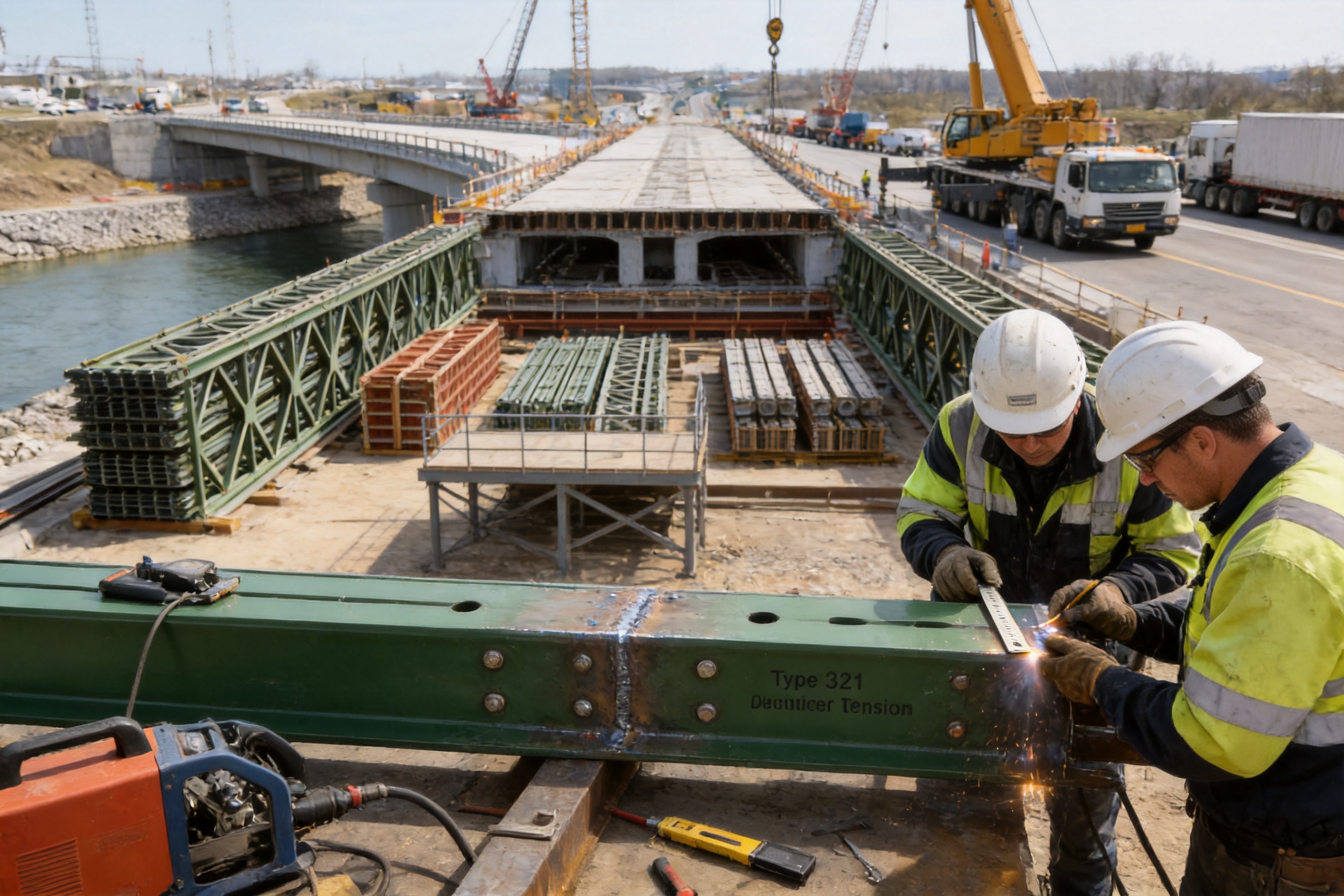
Manufacturing and Service Strengths
Zhenjiang Jinhao Road & Bridge Supporting Engineering Co., Ltd. was established in 2017 and operates from an industrial location in Dantu District, Zhenjiang City, Jiangsu Province, China. The company has developed from a business focused on construction and industrial materials into a comprehensive enterprise serving the design, manufacturing, erection, and leasing of bridge and steel support products.
This development is relevant to the Type 321 reinforced tension member because the product is part of a wider engineering system rather than an isolated steel item. The company’s product portfolio includes Bailey steel bridges, Type 321 Bailey truss sections, HD200 or Type 200 Bailey truss sections, bridge launching gantry systems, triangular and diamond hanging baskets, bridge steel formwork, pier formwork, and related fabricated steel structures.
Experience across these product categories can support more coordinated project solutions. A contractor may require not only reinforcement members but also Bailey panels, deck systems, formwork, launching equipment, support towers, erection accessories, and technical planning. A supplier with knowledge of several connected systems can help reduce compatibility problems between separately sourced components.
Design and System Planning
The company provides customized fabrication, design support, system planning, technical assistance, and quality management. These capabilities are important when a Type 321 reinforced tension member must be incorporated into a specific construction arrangement.
System planning may include reviewing the required span, construction load, access conditions, support locations, erection sequence, working clearance, lifting resources, and dismantling plan. The supplier can use this information to recommend a suitable combination of modular members and supporting equipment, while the project’s responsible engineer remains responsible for design approval and structural verification.
Manufacturing Experience in Modular Steel Structures
Modular steel bridge products require repeatability. Panels and reinforcement members must maintain consistent dimensions so they can be assembled in different combinations. Production experience with standardized components supports better control of the manufacturing cycle, from material purchasing and cutting through assembly, inspection, coating, packing, and dispatch.
Compared with suppliers that focus only on general steel fabrication, a specialist in Bailey bridges and construction support equipment is more familiar with the practical requirements of modular erection. These requirements include connection interchangeability, field handling, repeated assembly, transport protection, bolt accessibility, and the need to balance structural performance with construction speed.
Integrated Erection and Leasing Services
The company provides erection and leasing services in addition to manufacturing. This creates additional flexibility for contractors that do not need to purchase every component permanently. Leasing may be appropriate for a single bridge project, an emergency repair, seasonal construction, or a temporary access requirement.
Erection support can also help users reduce installation errors. Experienced technical personnel can assist with component identification, assembly sequence, bracing, connection checks, lifting arrangements, and dismantling. The exact scope should be agreed in advance, especially for projects involving traffic, waterways, railways, difficult terrain, or restricted construction windows.
Application in Cast-In-Place Bridge Support Structures
Bridge Deck Formwork Support
The Type 321 reinforced tension member can be used as part of a support structure for cast-in-place bridge deck formwork. In this application, the support system must maintain the formwork elevation and alignment while carrying the temporary load of reinforcement and fresh concrete.
The member may be positioned within a Bailey bridge-based arrangement to strengthen regions where bending demand is high. The final configuration should be determined through structural analysis that considers the complete load path rather than the reinforcement member alone.
Longer Clear Spans
Some construction sites require a clear area beneath the bridge. Roads, waterways, railway lines, existing structures, environmentally sensitive areas, and active work zones may limit the use of intermediate supports. When support points must be spaced farther apart, bending resistance and deflection control become more important.
The reinforced member is intended to improve the performance of Bailey bridge support structures in such conditions. It can help make a modular support solution more suitable for large-span temporary works, provided that the selected configuration is checked for strength, stability, buckling, connection capacity, and serviceability.
Temporary Construction Platforms
Bridge projects often require temporary platforms for workers, equipment, reinforcement installation, inspection, and concrete placement. A Bailey bridge-based support system can provide a modular foundation for these temporary works. The Type 321 reinforced tension member may be included where additional structural stiffness is needed.
Platform design must distinguish between personnel access loads, material storage loads, lifting loads, and loads generated by moving equipment. Guardrails, access ladders, anti-slip surfaces, edge protection, and fall prevention systems should be provided as required by the site safety plan.
Water Conservancy and Railway Engineering
Modular steel support structures are widely used in water conservancy, railway, municipal, and transportation projects. The ability to assemble and dismantle components can be valuable when construction must proceed around existing infrastructure or when the temporary works will be removed after completion.
Railway and water-related projects may impose additional requirements for clearance, vibration, corrosion protection, environmental control, and construction scheduling. The reinforcement member should be selected and installed as part of a project-specific design that addresses these conditions.
Installation and Connection Considerations
Pre-Installation Inspection
Before assembly, each Type 321 member should be checked for deformation, corrosion, damaged coating, blocked holes, missing identification, and other visible defects. The mating Bailey bridge panels and chord connection areas should also be inspected.
Bolts, nuts, washers, pins, and other accessories should be verified against the approved material list. Components with incorrect dimensions or unidentified origins should not be mixed into the structure without technical confirmation.
Assembly Sequence
The assembly sequence should follow the approved erection method statement. Depending on the support arrangement, the Bailey bridge sections may be assembled at ground level and lifted into position, or they may be launched, pushed, or erected progressively. The reinforced tension member must be installed at the intended structural location and connected without forcing the components into alignment.
Temporary supports, erection bracing, lifting points, and stability measures are particularly important before the complete system becomes self-supporting. Construction personnel should avoid standing below suspended loads and should maintain exclusion zones during lifting and positioning.
Bolted Connection Checks
Chord bolts should be installed with the correct washers and nuts, and the connection should be tightened according to the approved procedure. Bolts must not be replaced with unapproved alternatives simply because they appear to fit the holes.
Inspection should confirm that bolt heads and nuts are properly seated, threads are fully engaged, holes are not excessively damaged, and there is no visible gap or unintended eccentricity at the connection. Where specified, torque or tension records should be maintained.
Alignment and Bracing
Correct alignment helps ensure that loads are transferred as intended. The support structure should be checked for level, verticality, longitudinal alignment, transverse alignment, and proper connection between adjacent modules. Bracing should be installed in accordance with the design, especially where wind, lateral movement, or construction vibration may occur.
A reinforced member cannot compensate for an unstable or poorly braced system. Overall stability depends on the interaction of the main trusses, cross beams, lateral bracing, supports, foundations, bearings, connections, and formwork. The complete assembly must be reviewed before concrete placement begins.
Engineering Verification and Safety
The Type 321 reinforced tension member should be used only under an approved engineering design. The product description identifies its material, dimensions, configuration, and general purpose, but it does not establish a universal working load for every span or arrangement.
Engineers should evaluate the design loads and combinations applicable to the project. These may include dead load, wet concrete load, reinforcement load, formwork load, construction live load, equipment load, wind load, impact, temperature effects, and any special load associated with pumping or placing concrete.
Structural checks may include bending resistance, axial resistance, shear, local buckling, global buckling, connection capacity, bearing, deflection, lateral stability, support settlement, and foundation pressure. The construction sequence should also be considered because the most critical condition may occur during partial assembly or uneven concrete placement.
Concrete should be placed in a controlled sequence to prevent unbalanced loading. The formwork and support system should be monitored for unexpected movement, abnormal noise, bolt slippage, local distortion, or excessive deflection. Work should stop if unsafe behavior is observed.
Inspection should continue during the construction cycle. A pre-pour inspection confirms readiness before concrete placement, while monitoring during placement confirms that the structure is behaving as expected. After the concrete has gained the required strength, dismantling should be performed in a controlled sequence that avoids sudden load release or instability.
Quality Management from Factory to Site
Quality management is most effective when it covers the entire product life cycle. At the factory, this includes supplier control, material identification, production drawings, process inspection, welding control, dimensional checks, surface treatment, final inspection, packing, and shipping documentation.
At the project site, quality management continues through receiving inspection, storage, assembly, connection verification, structural inspection, load monitoring, dismantling, and post-use assessment. This complete approach is more reliable than inspecting only the finished appearance of the product.
For reusable members, records should identify the product type, dimensions, material, manufacturing batch, inspection status, coating condition, previous use if known, and any repairs. Such records help contractors select suitable components and support traceability during future projects.
The company’s focus on quality management and engineered steel products supports this type of organized approach. Its experience in manufacturing Bailey bridge systems, launching equipment, hanging baskets, pier formwork, and bridge steel formwork provides a foundation for understanding the relationship between product quality, site assembly, and structural performance.
Comparison with Alternative Reinforcement Methods
Versus Site-Welded Steel Frames
A site-welded frame can be customized to a particular project, but it may require more preparation time, specialized labor, temporary power, welding inspection, and weather protection. It may also be difficult to reuse after dismantling.
The Type 321 reinforced tension member offers a more standardized alternative. Its chord bolt connection supports faster assembly and easier removal, while its compatibility with Bailey bridge sections reduces the need to create a completely new structural system for each project.
Versus Single-Section Reinforcement
A single channel or angle reinforcement member may be adequate for some light applications, but a double-channel configuration can offer a stronger and more rigid arrangement when integrated correctly. The Type 321 design is intended for situations where overall bending resistance is a significant consideration.
The selection should still be based on calculations. A heavier or reinforced component is not automatically suitable if the supporting panels, bolts, foundations, or lateral bracing are inadequate.
Versus Fully Permanent Steelwork
Permanent steel support structures may provide high capacity, but they can involve higher procurement costs, longer fabrication periods, more complex transportation, and greater difficulty in removal. For temporary and semi-permanent construction works, a modular Bailey bridge-based solution can provide a practical balance between structural performance, speed, and reusability.
Procurement Guidance
When purchasing Type 321 reinforced tension members, buyers should confirm the required quantity, dimensions, steel grade, connection arrangement, coating specification, packing method, inspection documents, and delivery schedule. It is also important to confirm whether the project requires only the members or a complete support system including Bailey bridge panels, bolts, bracing, formwork, and erection services.
Technical information should be exchanged before production begins. Useful project data includes span length, support spacing, construction loads, deck width, formwork arrangement, access restrictions, site environment, lifting equipment, expected rental period, and required dismantling date.
Contractors should request product drawings and connection details for review by the responsible engineer. If the member is to connect with Bailey bridge sections from another manufacturer, compatibility should be confirmed before ordering. Variations in hole spacing, member geometry, bolt diameter, or chord arrangement may affect assembly.
For international projects, packaging should protect the steel from impact and moisture during transportation. Component marking should remain legible after delivery, and packing lists should allow receiving personnel to identify each member efficiently.
Applications Across Global Infrastructure Projects
Reliable temporary support is required in many regions and construction environments. Modular steel components are useful where projects must be completed quickly, where permanent foundations are not yet available, or where the support structure will be removed after construction.
In transportation engineering, Type 321 reinforced tension members can support modular arrangements used near roads, highways, and bridge corridors. In municipal engineering, they may assist with urban bridge construction where working space is restricted. In water conservancy projects, they can be included in temporary structures near channels, reservoirs, and hydraulic facilities.
In railway engineering, the system may be considered for construction support where staged assembly and limited interruption are important. In emergency response, modular steel components can be dispatched and installed more rapidly than fully custom-fabricated structures, subject to local engineering approval and transportation requirements.
The broad applicability of Bailey bridge systems comes from their simple structural concept, standardization, interchangeability, flexible configurations, and high load-bearing potential. The Type 321 reinforced tension member extends these advantages to situations where additional bending resistance is needed in a cast-in-place support structure.
Company Capabilities and Customer Support
Zhenjiang Jinhao Road & Bridge Supporting Engineering Co., Ltd. serves contractors, governments, infrastructure companies, and engineering organizations. Its services cover customized fabrication, technical support, design and system planning, manufacturing, erection, and leasing.
The company is located in Shangdang Town Industrial Park, Dantu District, Zhenjiang City, Jiangsu Province, China. Its location near major transportation routes supports the movement of steel components and construction equipment for domestic and international projects.
Its business philosophy emphasizes customer-first service, integrity, practical operation, innovation, cooperation, and quality. These principles are valuable in bridge support procurement because a successful project depends on more than the delivery of steel. It also depends on accurate technical communication, reliable documentation, responsive service, and effective coordination between the manufacturer, designer, contractor, and site team.
Customers can discuss project requirements, product selection, fabrication, delivery, erection, and rental arrangements with the company’s technical and sales teams. A coordinated supplier relationship can help reduce the risk of incompatible components and improve the efficiency of the construction planning process.
Maintenance, Storage, and Reuse
After dismantling, Type 321 reinforced tension members should be cleaned and inspected. Concrete residue, soil, standing water, oil, and other contaminants should be removed. Damage to coatings should be repaired, and areas showing corrosion should be treated before storage.
Members should be stored on stable supports above the ground. They should not be placed where water can collect inside or around the channels. Components should be separated by type and clearly labeled to make future inventory and inspection easier.
Before reuse, inspectors should check straightness, connection holes, welds, channel flanges, stiffeners, bolt contact areas, and signs of local buckling. Any member that has experienced abnormal loading or impact should be assessed by a qualified engineer.
Proper maintenance extends service life and protects the economic advantages of reusable modular steel. It also supports safer erection because clean, identifiable, and dimensionally stable components are easier to assemble correctly.
Project Planning Checklist
Before using the Type 321 reinforced tension member, the project team should confirm the following matters:
• The required span, support arrangement, and working clearance have been established.
• The complete support structure has been checked for strength, stiffness, stability, and deflection.
• The Type 321 member is compatible with the selected Bailey bridge sections.
• Chord bolts and connection accessories meet the approved specification.
• The Q235B material and product documentation are available.
• Erection, lifting, temporary bracing, and dismantling procedures have been approved.
• The formwork and concrete placement sequence have been coordinated with the support design.
• Site inspection and monitoring responsibilities have been assigned.
• Storage, corrosion protection, and post-use inspection arrangements are in place.
• Local safety regulations and project-specific standards are being followed.
This checklist does not replace engineering calculations or statutory approval. It provides a practical framework for coordinating procurement, fabrication, erection, and operation.
Frequently Asked Questions
What is the Type 321 reinforced tension member used for?
It is used to reinforce Bailey bridge-based support structures for cast-in-place bridge construction. Its main purpose is to improve the overall bending resistance of the support arrangement, particularly where the structure must work over a relatively large span.
What is the product made from?
The product is manufactured from Q235B structural steel. Buyers should request the applicable material documentation and confirm that the delivered product matches the approved specification.
How is it connected to a Bailey bridge section?
The member connects through chord bolts. This allows it to be integrated with compatible Bailey bridge sections using a modular bolted connection instead of relying entirely on site welding.
Does the product have a universal load capacity?
No. The load capacity of an installed support structure depends on the complete system, including span, support conditions, bracing, member arrangement, connection capacity, foundation conditions, and construction loads. A qualified engineer must verify the specific application.
What are the stated dimensions?
The outer dimensions are 1260 × 985 × 77 mm, and the center distance dimensions are 1180 × 900 mm. These dimensions should be checked against the project drawings and the Bailey bridge components selected for assembly.
Can the member be reused?
Yes, its modular bolted design supports dismantling and potential reuse. Reuse depends on inspection results. Members with serious corrosion, deformation, damaged holes, cracked welds, or evidence of overload should be repaired or rejected according to engineering evaluation.
Can it be used with Bailey bridge components from another supplier?
Compatibility must be confirmed before purchase. Chord geometry, hole spacing, bolt dimensions, panel configuration, and connection details should match. Components should not be forced together or modified without an approved technical solution.
Is the product suitable for permanent bridge construction?
It is primarily described as a component for cast-in-place support structures and temporary or semi-permanent modular steel applications. Whether it can remain in a permanent structure depends on the project design, applicable standards, corrosion protection, inspection requirements, and approval by the responsible engineer.
What services are available from the manufacturer?
The manufacturer provides customized fabrication, design and system planning, technical support, quality management, erection, and leasing services. The required service scope should be discussed according to the project schedule and site conditions.
What information should be provided for a quotation?
Useful information includes the required quantity, span, support layout, construction load, bridge width, formwork configuration, site location, delivery schedule, coating requirements, need for erection assistance, and whether the equipment will be purchased or leased.
How should the member be maintained?
It should be cleaned after use, inspected for deformation and corrosion, repaired where necessary, and stored above the ground in a dry and stable location. Connection holes and contact areas should be protected from damage and contamination.
Why is a double-channel configuration advantageous?
A double-channel arrangement provides a reinforced structural section that can offer greater stiffness and bending resistance than a comparable single light section when correctly assembled and connected. The final performance still depends on the complete structural design.
Conclusion
The Type 321 reinforced tension member is a practical steel component for strengthening cast-in-place bridge Bailey support structures. Its double 10# channel steel configuration, Q235B material, standardized dimensions, and chord bolt connection provide a combination of structural reinforcement and modular construction efficiency.
Its main advantages over many conventional site-fabricated reinforcement methods include compatibility with Bailey bridge sections, reduced dependence on field welding, improved reusability, efficient transport, and adaptability to different support arrangements. These benefits are particularly relevant to large-span temporary works, bridge deck formwork support, construction platforms, municipal projects, railway engineering, water conservancy works, and emergency infrastructure applications.
The product’s value is strengthened by the manufacturing and engineering capabilities of Zhenjiang Jinhao Road & Bridge Supporting Engineering Co., Ltd. The company’s experience with Bailey bridges, launching gantries, hanging baskets, bridge formwork, pier formwork, and related steel structures supports a system-oriented approach to design, production, erection, and leasing.
For safe and effective use, the member must be selected as part of a complete engineered support system. Proper calculations, dimensional compatibility, connection control, bracing, erection planning, concrete placement monitoring, and post-use inspection are essential. When these requirements are followed, the Type 321 reinforced tension member can provide a dependable and reusable solution for demanding cast-in-place bridge construction projects.
References
1. American Institute of Steel Construction. Specification for Structural Steel Buildings.
2. American Association of State Highway and Transportation Officials. Guide Specifications for Bridge Temporary Works.
3. European Committee for Standardization. Eurocode 3: Design of Steel Structures.
4. International Organization for Standardization. Quality Management Systems: Requirements.
5. International Organization for Standardization. Welding Quality Requirements for Fusion-Welded Metallic Materials.
6. Chinese national standards for Q235B structural steel and fabricated steel construction components.
7. Technical product information for Type 321 reinforced tension members for cast-in-place support structures.
8. Technical literature on Bailey bridge modular steel truss systems, temporary bridge structures, and bridge construction formwork.


 Français
 Español
 عربى